What Is Trenchless Pipe Repair? Methods and Limits
Reliance Trenchless Technology
Updated
Trenchless pipe repair rehabilitates a pipe from inside, reducing the need to excavate along its route. Options include localized repairs and lining a longer section. Inspection, access and the selected method determine how much digging is still needed.
For owners and contractors comparing sewer-repair methods. Reliance supplies localized-repair products; full-length lining and pipe bursting are explained as industry context.
1. What does trenchless mean?
Trenchless describes methods that work through access points rather than opening a continuous trench along the pipe. Repair can treat a local defect or rehabilitate a longer section. Replacement is a different option: pipe bursting breaks the existing pipe while drawing in a new pipe. These methods should not be treated as interchangeable.[1]
Sources and supporting product information
NASSCO — Pipe Rehabilitation: lining, spot repairs and replacement methods2. Can a sewer pipe be repaired without digging?
Yes, some sewer defects can be repaired internally through existing access. NASSCO describes joint and spot repairs that avoid full-length lining or excavation. But trenchless does not mean every project needs no digging: pipe bursting generally requires excavation, and some methods require excavated service reconnections. Ask which access points and connections are included in the proposed work.[1]
Sources and supporting product information
NASSCO — Pipe Rehabilitation: lining, spot repairs and replacement methods3. How do point repair and pipe lining differ?
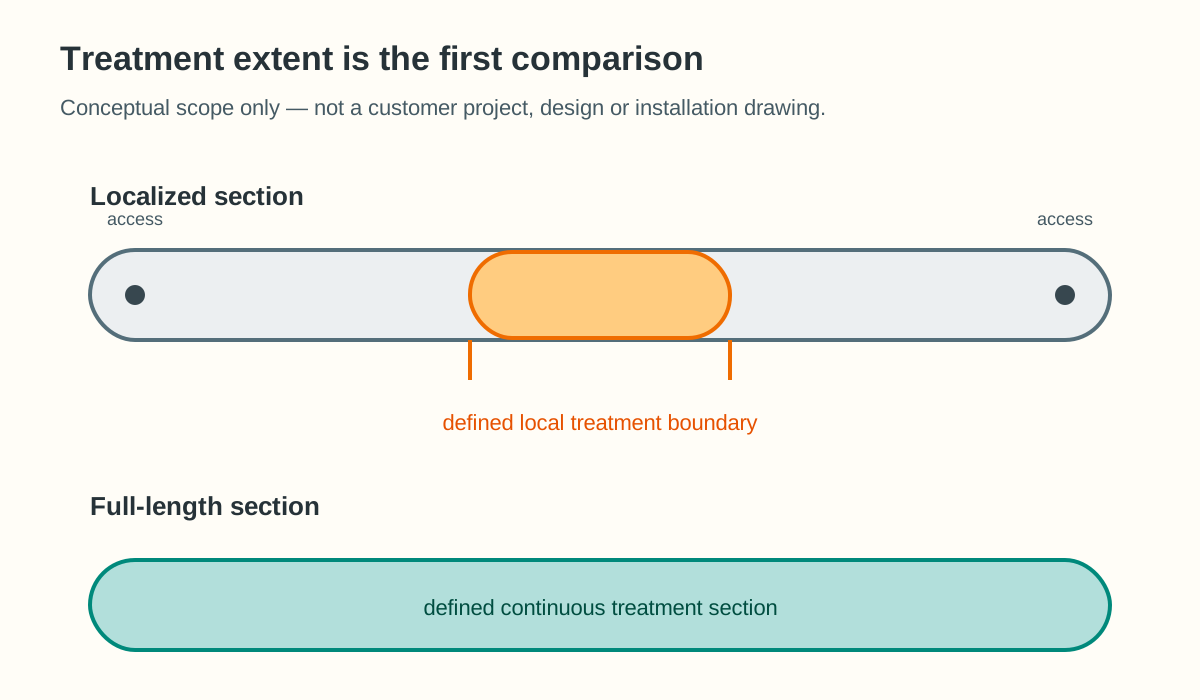
Point repair describes the area treated: a defined local defect. Cured-in-place pipe (CIPP) describes a method: resin-impregnated material is positioned inside the pipe and cured. CIPP can therefore be used for a local repair or a longer lining section. An internal mechanical sleeve is another localized method and does not use resin curing.[1]
Compare the distribution of defects and the proposed treatment boundaries before choosing equipment. A local repair and a continuous lining proposal may cover different work. The linked comparison guide helps organize access, connections, flow management and acceptance questions.
Sources and supporting product information
NASSCO — Pipe Rehabilitation: lining, spot repairs and replacement methods4. What should be checked before choosing a repair?
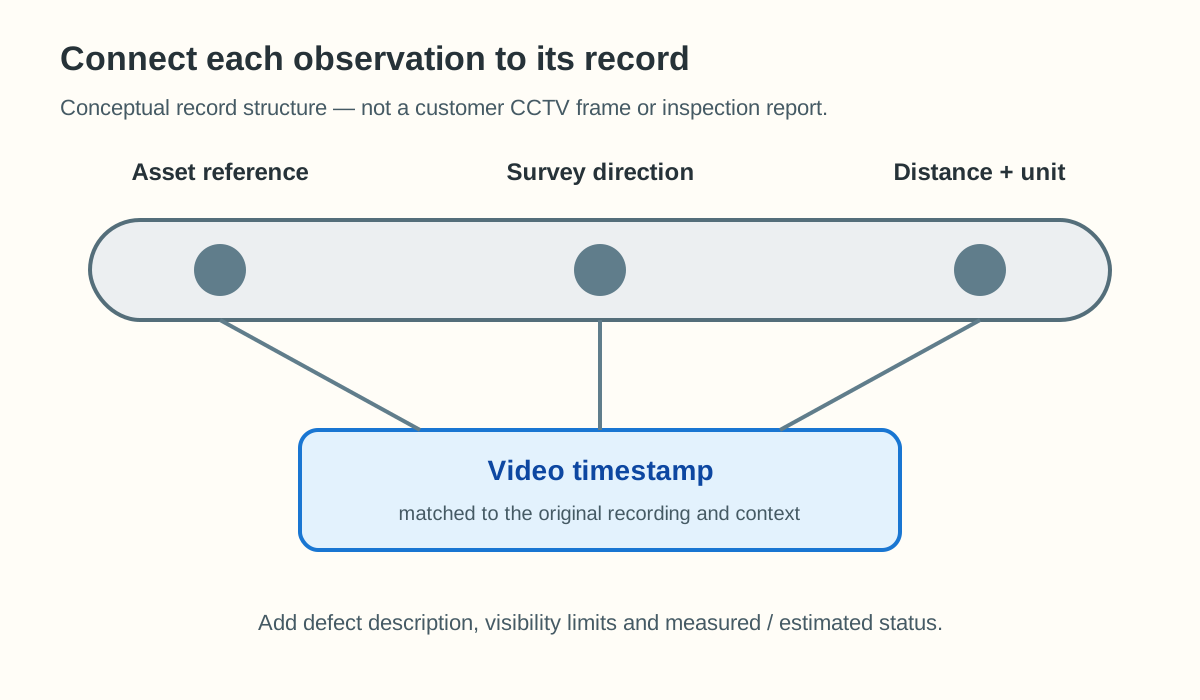
Start with a CCTV inspection record that identifies the pipe, defect locations, connections and obstructions. NASSCO distinguishes visual inspection from dimensional techniques such as laser and sonar profiling. Keep measured dimensions separate from visual estimates. The inspection should support a project-specific review of pipe condition and access; a single screenshot cannot settle the method choice.[2]
Sources and supporting product information
NASSCO — Assessment: CCTV and dimensional inspection5. Which Reliance products support localized repair?
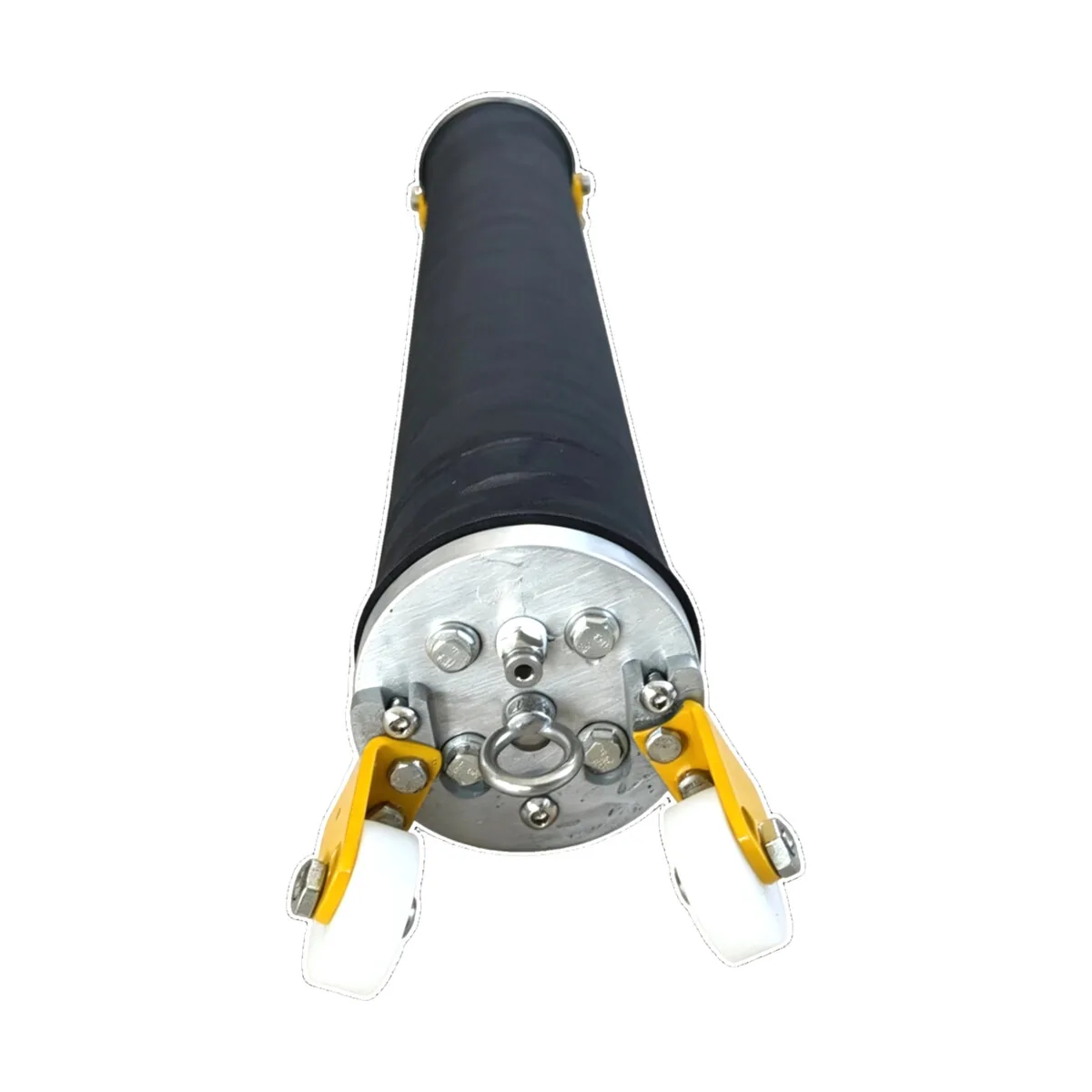
Reliance’s point-repair range includes internal repair sleeves, repair packers, fiberglass and resin. Review their product pages for the proposed configuration and supporting documents. For a product enquiry, share the measured pipe size, defect information and access conditions; a product quotation and a contractor’s complete installed-repair quotation cover different scopes.[3]
Sources and supporting product information
Reliance localized point-repair productsWhat to include in your enquiry
Send the information you have and identify what still needs measurement or confirmation. A requested delivery date is a requirement to review, not a promised lead time.
Pipe material, measured internal diameter and defect locations.
Original inspection record, access points and nearby connections.
Proposed repair scope, project location and requested product quantities.
Related product pages
The primary button preselects Pipe Repair Packers DN50–1500 as a discussion starting point; it does not select a system or confirm suitability. The contact form opens an email draft for you to review and send. Opening it does not confirm delivery.
Sources and supporting product information
- NASSCO — Pipe Rehabilitation: lining, spot repairs and replacement methods
- NASSCO — Assessment: CCTV and dimensional inspection
- Reliance localized point-repair products
- Reliance repair packers — photograph and product details
- Further reading: point repair vs full-length CIPP
- Further reading: CCTV information for point repair