
Fiberglass for Pipe Point Repair: Understanding Reinforcement Specifications
By Reliance Trenchless Technology
A fiberglass designation describes a published reinforcement material, not a complete repair design. Read layer labels, units and source conditions with the product code; material data alone does not establish finished thickness, strength or service suitability.
This guide explains how to read reinforcement records. It does not calculate finished thickness, structural capacity, resin compatibility or service suitability for a pipe repair.
This guide is available in English. Choosing another language opens that language’s resource library.
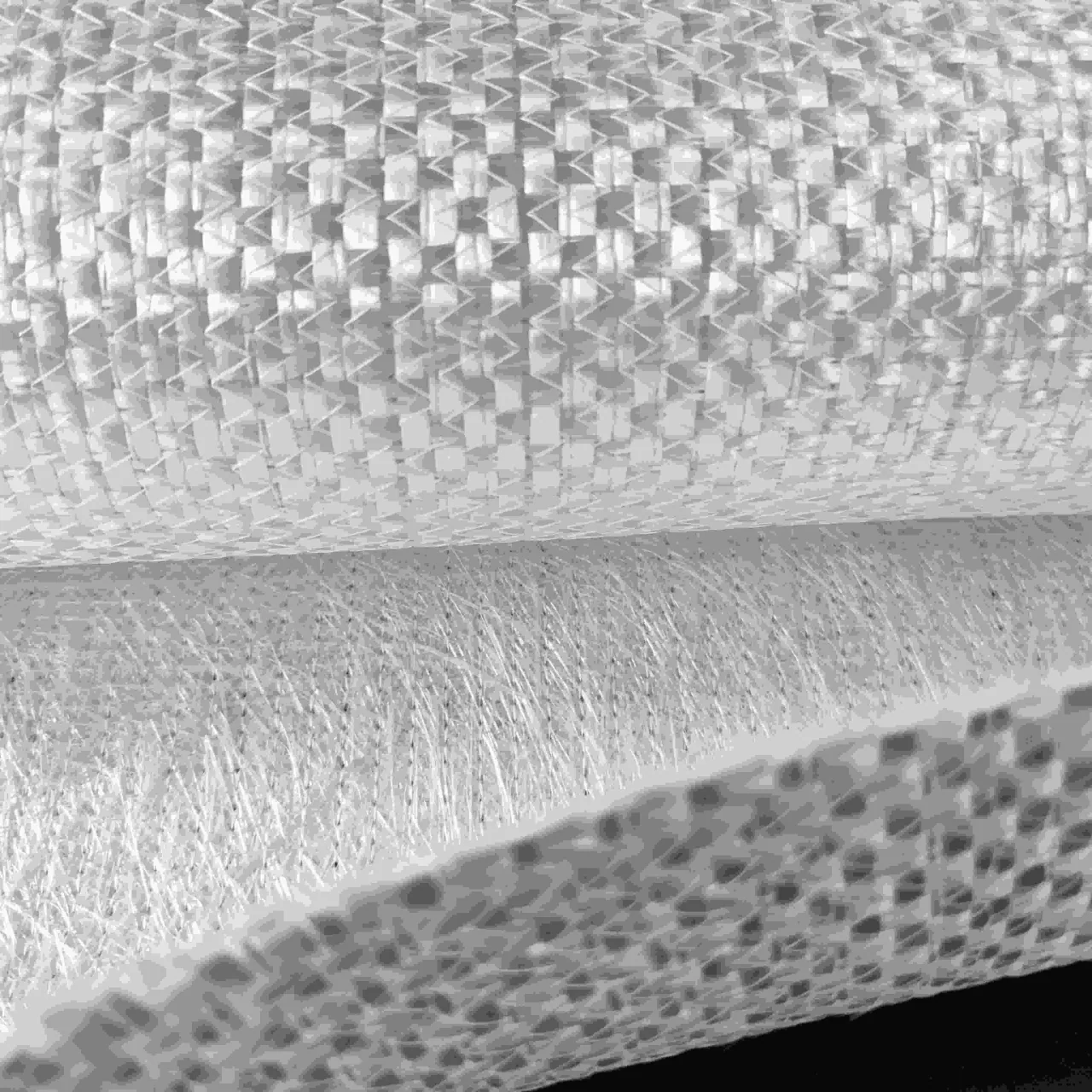
1. Read the designation literally
Start with the published product code and table heading. If the source does not define what a number, slash or suffix means, retain the designation as written instead of inferring a fiber direction, grade or performance value from its appearance.
A model name identifies a source record. It is not automatically a layer count, area weight, finished thickness or strength rating.
Sources and supporting product information
Reliance fiberglass and resin: published grades and material tables2. Keep layers and units separate
A specification may describe a layer, a width, a roll or a mass. Unit area weight, total roll weight, roll length and width are different fields. Do not substitute one for another or calculate a finished repair property from a single material field.
The Reliance material guide identifies fiberglass grades and separately gives resin and dosage records. Keep the original unit, table title and source location attached to every copied value.
| Product designation | Layer label as published | Unit | Source value | Source location | What this does not tell you |
|---|---|---|---|---|---|
| Blank | Blank | Blank | Blank | Blank | Finished thickness or strength |
| Blank | Blank | Blank | Blank | Blank | Resin compatibility or service life |
| Blank | Blank | Blank | Blank | Blank | Approved layer arrangement or installation method |
Sources and supporting product information
Reliance fiberglass and resin: published grades and material tables3. Compare published grades without changing the rows
The Reliance product record names EMK600/450, EMK800/300 and EMK800/450 as published fiberglass grades. Use the corresponding source table and preserve its row order, headings and units when comparing them.
If one source does not define a field, leave it out or mark it unknown. Do not fill the gap from a similarly named grade or a competitor’s data sheet. The purpose of a comparison record is traceability, not a complete-looking table.
Sources and supporting product information
Reliance fiberglass and resin: published grades and material tables4. Reinforcement is not finished-repair performance
The reinforcement is one part of a repair system. Resin formulation, amount, layer arrangement, host pipe, defect geometry, preparation, application and verification conditions all affect the proposed repair. Material data alone do not establish finished thickness, strength, structural capacity or service suitability.
Do not perform a load calculation or claim that a published area weight predicts the result. Those decisions require the applicable design and project evidence.
Sources and supporting product information
Reliance fiberglass and resin: published grades and material tablesReliance repair packers: equipment used in localized repair5. Pair the reinforcement with the specified system
Keep the reinforcement record with the resin formulation and the equipment configuration under review. The resin timing guide explains why a timing value must retain its formulation and conditions; the repair packer guide explains why packer dimensions are not finished-repair dimensions.
A product list that contains resin, fiberglass and packers is not, by itself, a compatibility approval. Identify the source that connects the proposed combination to the project.
Sources and supporting product information
Reliance fiberglass and resin: published grades and material tablesReliance repair packers: equipment used in localized repair6. Build a material comparison record
Use the blank record in this section for a source-to-source comparison. Mark a field unknown when the document does not publish it. The worksheet is an illustrative example and not a certificate, test record or finished-repair calculation.
| Product designation | Layer label as published | Unit | Source value | Source location | What this does not tell you |
|---|---|---|---|---|---|
| Blank | Blank | Blank | Blank | Blank | Finished thickness |
| Blank | Blank | Blank | Blank | Blank | Finished strength |
| Blank | Blank | Blank | Blank | Blank | System compatibility |
| Blank | Blank | Blank | Blank | Blank | Service suitability |
Sources and supporting product information
Reliance fiberglass and resin: published grades and material tablesWhat to include in your enquiry
Send the information you have and identify what still needs measurement or confirmation. A requested delivery date is a requirement to review, not a promised lead time.
Exact product designation and source table.
Layer label and unit as published.
Area weight, width, roll and other fields kept distinct.
Document revision, page or table location.
Resin formulation and equipment configuration linked separately.
Finished-repair properties and service questions reserved for project review.
Related product pages
The primary button preselects Fiberglass and Resin as a discussion starting point; it does not select a system or confirm suitability. The contact form opens an email draft for you to review and send. Opening it does not confirm delivery.