
Stainless Steel Pipe Repair Sleeves vs Resin-and-Fiberglass Patches
By Reliance Trenchless Technology
Compare the repair task, pipe condition, access and proposed system before choosing between an internal stainless steel sleeve and a resin-and-fiberglass patch. The key difference is the repair assembly being proposed—not a universal ranking of speed, cost or durability. A useful comparison ends with a documented configuration and acceptance requirements for the actual project.
This guide helps prepare a point-repair enquiry. It does not approve a repair design, prescribe installation settings or establish that either approach restores structural capacity in a particular pipe.
This guide is available in English. Choosing another language opens that language’s resource library.
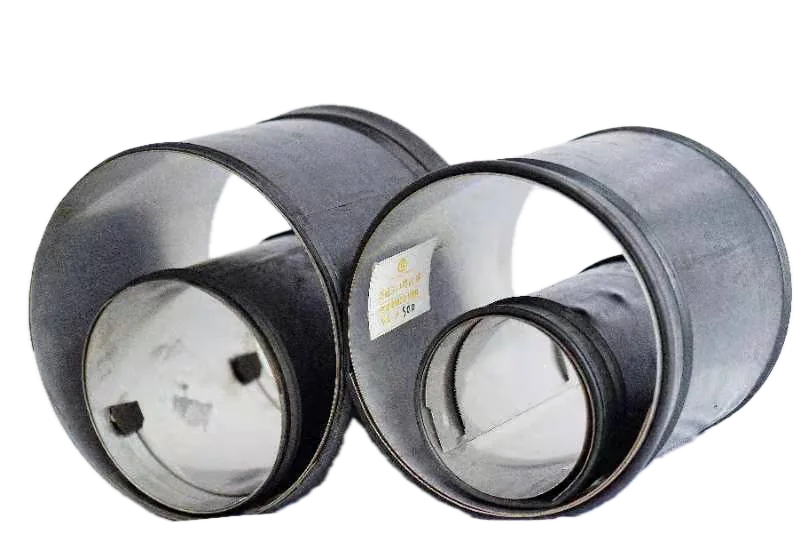
1. Two repair approaches, two assemblies to review
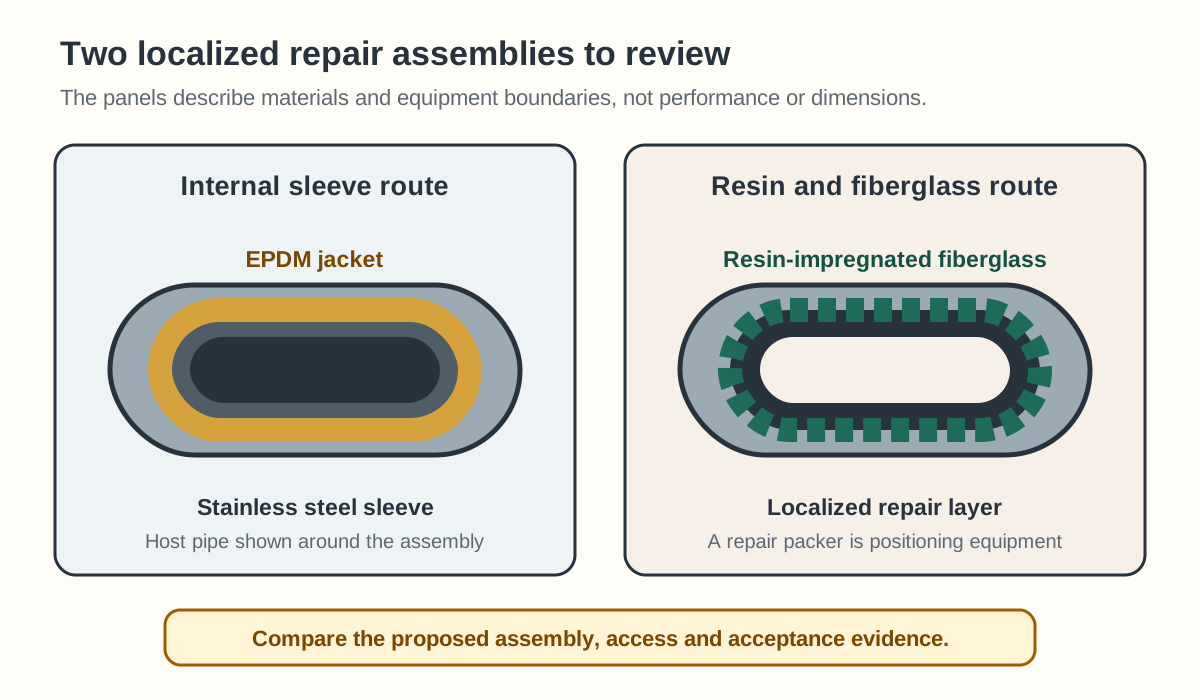
Reliance’s Instant-Lock information describes a stainless steel sleeve combined with an EPDM rubber jacket. The small and large sleeve ranges have their own dimensions and installation arrangements. The proposed sleeve must be reviewed together with the equipment used to position and install it.
The resin-and-fiberglass information describes reinforcement impregnated with a repair resin for a localized repair against the host pipe. Reviewing that approach involves the material formulation, reinforcement, intended repair coverage and the equipment used for the selected system.
A repair packer is equipment used in the repair process; it is not a substitute for specifying the finished repair. Likewise, a sleeve’s product name does not establish its fit or suitability for every defect.
2. Start with the defect, not the catalogue category
Describe where the defect is, what has been observed and what the proposed repair needs to achieve. Include inspection images or an existing survey where available. Keep a leaking joint, a localized damaged area and a wider deterioration problem distinct in the enquiry; they are descriptions to assess, not interchangeable reasons to select a product.
Record the measured bore, pipe material, local condition and the extent of the affected area. State whether the enquiry concerns leakage control, a specified rehabilitation design or another project requirement. Do not assume that a catalogue description establishes the engineering outcome required by the owner.
The most useful first comparison is therefore between two proposals addressing the same documented task. Comparing unrelated product sizes or incomplete supply lists is unlikely to answer the buyer’s real question.
3. Compare the constraints that change the proposal
Use the table to compare the information each route requires. It is a review checklist, not a rule that selects one approach automatically. Where a condition is unknown, keep it visible in the enquiry rather than treating the missing information as a favorable assumption.
| Review item | Internal stainless steel sleeve | Resin-and-fiberglass patch |
|---|---|---|
| Repair task | Match the proposed sleeve configuration to the defect and host-pipe conditions under review. | Match the proposed material system and repair coverage to the defect and host-pipe conditions under review. |
| Fit and access | Review the sleeve and complete installation-tool assembly, including the route to the repair location. | Review the packer and material arrangement, including access and the required working area. |
| Materials left in place | Identify the actual stainless steel and elastomer configuration. | Identify the actual resin formulation and fiberglass reinforcement. |
| Time-related planning | Obtain the installation and acceptance requirements for the proposed configuration. | Obtain the working and curing conditions for the selected material system; keep formulation and temperature conditions attached to any stated times. |
| Supplied equipment | Confirm which installation tools and accessories are included. | Confirm which packer, resin, reinforcement and accessories are included. |
| Acceptance | Agree the project’s inspection and documentation requirements. | Agree the project’s inspection and documentation requirements. |
Sources and supporting product information
Reliance small internal sleeves: EPDM assembly and installation guideReliance large internal sleeves: dimensions and installation equipmentReliance resin and fiberglass repair system: material guideReliance repair packers: equipment and configuration guideReliance point-repair systems4. Keep the equipment and material boundaries clear
Reliance’s small-sleeve information identifies matching installation packers, while its large-sleeve information identifies a different installation-tool arrangement. Instructions headed for the small configuration should not be transferred to the large configuration without confirmation.
For a resin-and-fiberglass proposal, keep the formulation and reinforcement together with the relevant material information. A working or curing time stated for one set of conditions is not automatically valid for another. The fact that a supplier lists resin, fiberglass and packers separately does not by itself document every possible combination.
For either route, request an itemized scope: the repair components, installation equipment, accessories, consumables, instructions and any project-specific documents. This also makes price comparisons more meaningful, because the reader can see what each quotation actually includes.
5. Compare the documented proposal, not a generic promise
Before confirming an order, check that the quotation identifies the proposed product and configuration, applicable dimensions, source documents and unresolved conditions. If a brochure and spreadsheet disagree, do not simply choose the more favorable entry.
Any claimed pressure capability, material suitability, repair performance or service life must be tied to evidence for the proposed system and project. A photograph, a family name or a general application description is not a substitute for that evidence.
Agree how the supplied items and the completed work will be checked under the project requirements. Do not treat a sample document for one item as proof that every configuration or order has the same inspection scope.
6. An enquiry example
“We are reviewing a localized pipe repair and would like to compare an internal sleeve proposal with a resin-and-fiberglass proposal. We can provide the inspection record, measured bore, affected length, access information and service conditions. Please identify which configuration should be evaluated for each route, the assumptions it depends on, the required installation equipment and the scope of supply.”
This is an example of how to frame a request, not a customer case or a recommendation for a particular model. The next step is to attach the information actually available and clearly identify what still needs measurement or review.
What to include in your enquiry
Send the information you have and identify what still needs measurement or confirmation. A requested delivery date is a requirement to review, not a promised lead time.
Defect description, location and inspection records.
Measured bore, pipe material and local condition.
Affected length and intended repair task.
Access route, entry constraints and available positioning information.
Known service conditions and flow-management requirements.
Proposed sleeve configuration or resin-and-fiberglass system, where already identified.
Installation equipment and supply items that must be included.
Required documents, acceptance requirements, quantity and destination.
Related product pages
The primary button preselects Internal Pipe Repair Sleeves: Small as a discussion starting point; it does not select a system or confirm suitability. The contact form opens an email draft for you to review and send. Opening it does not confirm delivery.