
Point Repair Equipment Checklist
Reliance Trenchless Technology
Updated
Point repair equipment for a sewer repair is not one standard kit. Choose a mechanical Instant-Lock sleeve or a resin-and-fiberglass repair packer, then separate reusable tools, materials, accessories and project support. Use the worksheet below to compare quotations.
This checklist organizes a sewer point-repair scope for either a mechanical Instant-Lock sleeve or a resin-and-fiberglass repair. It is not a standard kit, another manufacturer’s starter kit, an installation procedure, or a statement that Reliance supplies every listed item. Product descriptions and catalogue fields are first-party records, not project approvals. Review questions and blank worksheets are editorial aids. NASSCO is cited only for the described industry methods or assessment context.
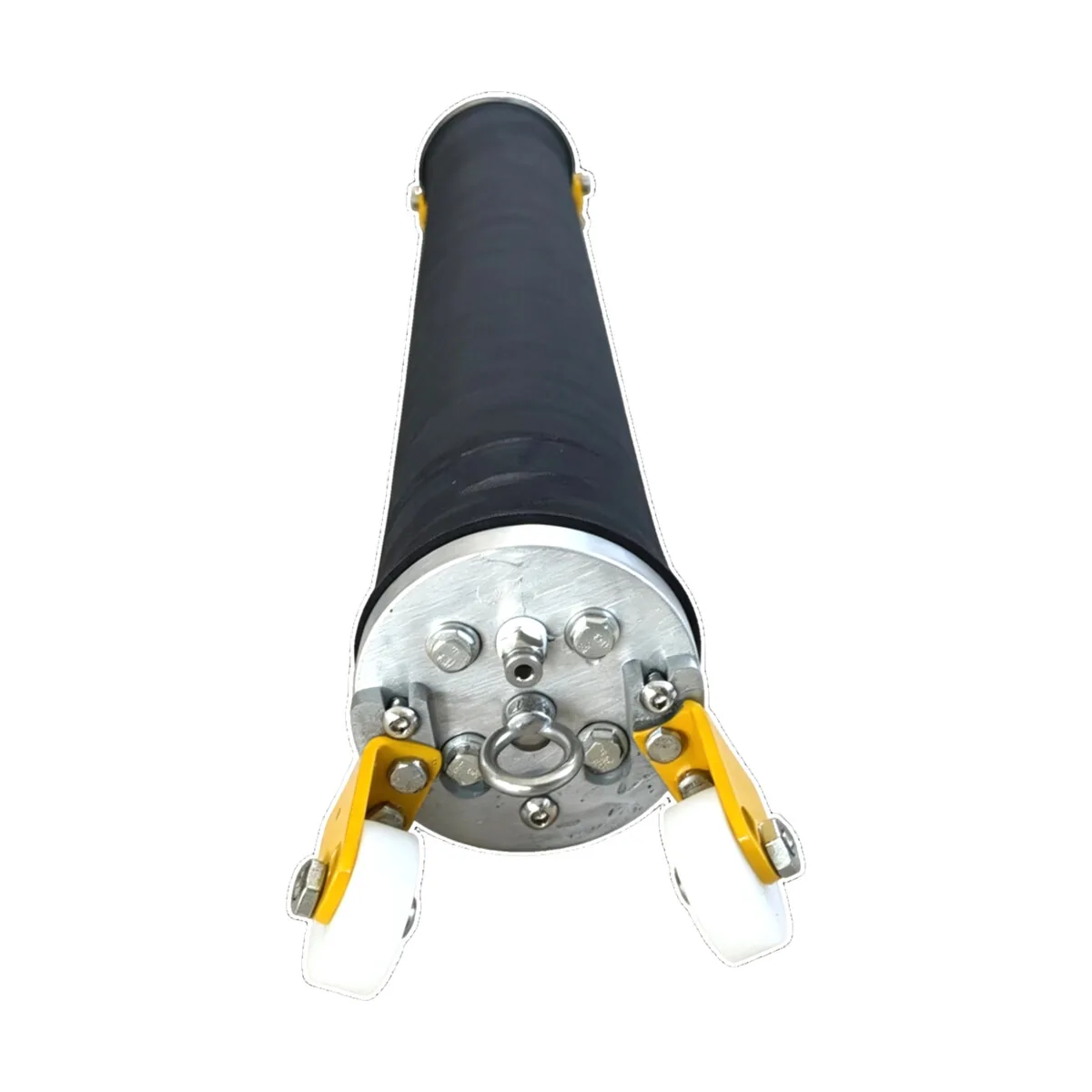
What equipment do I need for point repair?
This point repair equipment checklist answers what equipment you need for a sewer point repair, and it is not a packaged starter kit. Choose one path: an Instant-Lock sleeve with its installation equipment, or resin and fiberglass placed with a repair packer. Record the equipment and the finished repair as separate parts of the scope.[3][4][6]
The mechanical sleeve path is Instant-Lock Small (DN150–600) or Instant-Lock Large (DN600–2000) with that size’s installation equipment, not the resin, fiberglass and repair packer used for a patch. Compare the two paths in the sleeves versus resin-and-fiberglass guide while the method is still open. Do not merge the two routes into one generic kit.[7][3]
This checklist covers a localized point-repair scope. Compare sectional point repair versus full-length CIPP lining when defects continue along a longer defined section rather than one local repair.
- Instant-Lock Small internal pipe repair sleeves
- Large Instant-Lock internal pipe repair sleeves
- Repair packers
- Fiberglass and resin
Sources and supporting product information
NASSCO — Pipe Rehabilitation: CIPP, mechanical point repairs and internal joint sealsReliance Resin Glassfiber brochure — resin records on page 1 and reinforcement table on page 2Reliance Plugs brochure — original packer and plug descriptions, pages 1–2Related guide: stainless steel sleeves versus resin-and-fiberglass patchesReliance Instant-Lock brochure — components and installation column on page 1; small-system page 2 is separate2. Separate reusable equipment
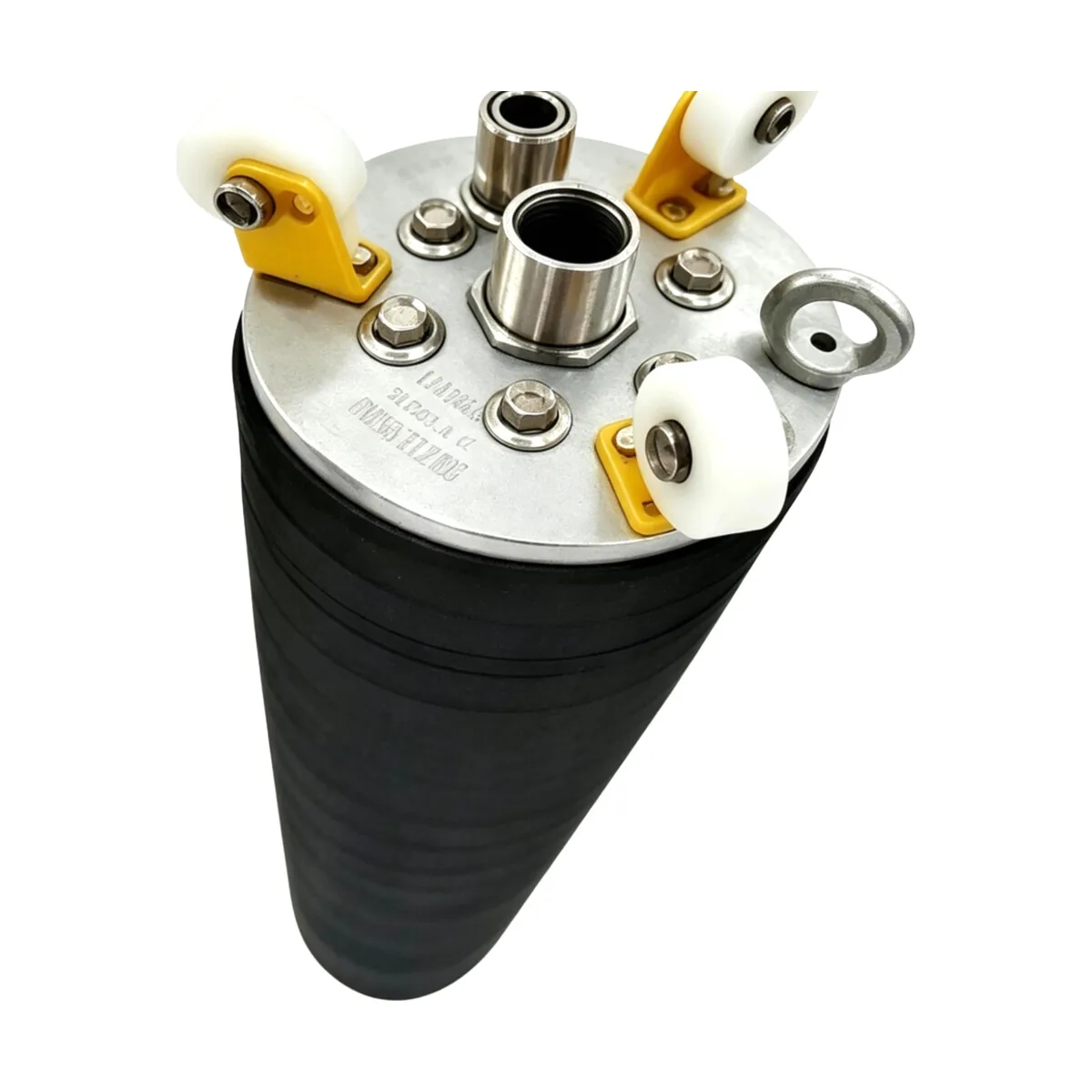
List the repair packer, wheels or positioning parts, hoses and controls required by the selected configuration. The Reliance brochure lists wheeled repair-packer configurations separately from long-lateral packers without bypass or wheels. Keep the configuration and source table with each equipment line; this does not establish a standard bundle.[6]
The packer selection guide explains why measured bore, access and usable repair length must be confirmed separately. This checklist deliberately does not repeat its sizing discussion; link to it rather than treating a generic packer name as a complete selection.
Sources and supporting product information
Reliance Plugs brochure — original packer and plug descriptions, pages 1–2Reliance repair packers: equipment and configuration guide3. Identify repair materials

List the resin formulation, fiberglass reinforcement and other consumables required by the specified method. The material guide records published resin formulations and fiberglass grades, but the fact that items appear in one catalogue does not by itself validate every combination or project condition.[4][5]
Keep the formulation, source document, batch or project record and any required material documentation together. Do not substitute a different resin or reinforcement because it looks similar in a photograph or product list.
4. Record configuration-dependent accessories
Accessories are often where an apparently complete quotation becomes ambiguous. Record the function of each connection, control, hose, measurement item, protective item and positioning accessory, then identify the document that shows it applies to the chosen configuration.
Describe function rather than inventing a standard bundle. Concrete pressure settings, restraint arrangements and other operating details remain in the applicable instructions and project safety plan.
5. Keep project support outside the product list
Inspection, cleaning or preparation, flow management, access planning, site equipment, installation labor and acceptance records may be required for the project without being supplied as part of a product. Identify the responsible party for each item.
This distinction prevents a buyer from reading a product photograph or a family page as a promise that every project service is included. It also gives the contractor a clearer basis for checking the quotation.
6. Use an itemized scope template
Copy this blank worksheet into a quotation review. “Required by selected system?” means the project team has identified a need; it does not mean Reliance supplies the item. Leave unknown fields visible until the configuration is confirmed.
| Category | Item or function | Purpose | Required by selected system? | Supplier or contractor | Included in quote? | Evidence or document |
|---|---|---|---|---|---|---|
| Reusable equipment | Repair packer / positioning equipment | Position the selected repair material | Unknown until reviewed | Blank | Blank | Blank |
| Reusable equipment | Hoses, controls and connections | Operate or connect the configuration | Unknown until reviewed | Blank | Blank | Blank |
| Consumables | Resin formulation | Bind the specified reinforcement | Unknown until reviewed | Blank | Blank | Blank |
| Consumables | Fiberglass reinforcement | Provide the specified reinforcement | Unknown until reviewed | Blank | Blank | Blank |
| Configuration-dependent accessories | Protective, measurement or positioning item | Support the exact configuration | Unknown until reviewed | Blank | Blank | Blank |
| Project-provided support | Inspection, preparation and flow management | Prepare and manage the project | Unknown until reviewed | Blank | Blank | Blank |
| Project-provided support | Acceptance and required documents | Record the completed scope | Unknown until reviewed | Blank | Blank | Blank |
Frequently asked questions about point repair equipment
What equipment do I need for sewer point repair?
Reliance does not publish one starter kit for sewer point repair. A marketplace package from another manufacturer, such as a RIDGID Pipe Patch kit, is not a Reliance bundle. This checklist does not reproduce that kit’s contents.
Choose one path, then complete the worksheet. The mechanical sleeve path is an Instant-Lock stainless steel sleeve with an EPDM jacket and the installation equipment named for that size. The resin path is a repair packer plus the specified fiberglass and resin. Inspection, cleaning, flow management and installation labor stay with the project, not in the product list.[7][6][4]
How do the mechanical sleeve and resin packer paths differ?
Instant-Lock installation equipment is not the repair packer used to place a resin and fiberglass patch. The Instant-Lock brochure separates the small-system installation column from large-sleeve tools. Confirm the measured internal diameter before choosing Small or Large.[7]
On the resin path, list the packer configuration, including wheels or a long-lateral packer and whether bypass is required, then the resin formulation and fiberglass grade. Measured bore, access and usable repair length are in the packer selection guide. This checklist does not repeat that sizing and does not combine the two paths into one kit.[6][4]
What to include in your enquiry
Send the information you have and identify what still needs measurement or confirmation. A requested delivery date is a requirement to review, not a promised lead time.
Selected method: mechanical Instant-Lock sleeve or resin-and-fiberglass repair packer.
Reusable equipment and its confirmed configuration.
Resin formulation, fiberglass grade and material documents.
Connections, controls, measurement and protective accessories.
Inspection, preparation, flow management and access support.
Supplier, contractor, included and optional fields for every item.
Evidence or source document supporting each quoted line.
Related product pages
The primary button preselects CIPP Point Repair Packers (DN50–1500) as a discussion starting point; it does not confirm suitability. The contact form displays the available submission method and result. The email draft appears on the page for review and copying; it does not confirm delivery.
Sources and supporting product information
- Reliance repair packers: equipment and configuration guide
- Related guide: stainless steel sleeves versus resin-and-fiberglass patches
- NASSCO — Pipe Rehabilitation: CIPP, mechanical point repairs and internal joint seals
- Reliance Resin Glassfiber brochure — resin records on page 1 and reinforcement table on page 2
- Reliance Resin & FiberGlass spreadsheet — Resin sheet, timing fields and reinforcement rows
- Reliance Plugs brochure — original packer and plug descriptions, pages 1–2
- Reliance Instant-Lock brochure — components and installation column on page 1; small-system page 2 is separate