
Applications
Match your pipe condition and repair task to the product families below. Final selection depends on dimensions, access, operating conditions and project requirements.
- Products in 5 families
- 11
- Published size range
- DN50–4000
- Buyer’s guides
- 14
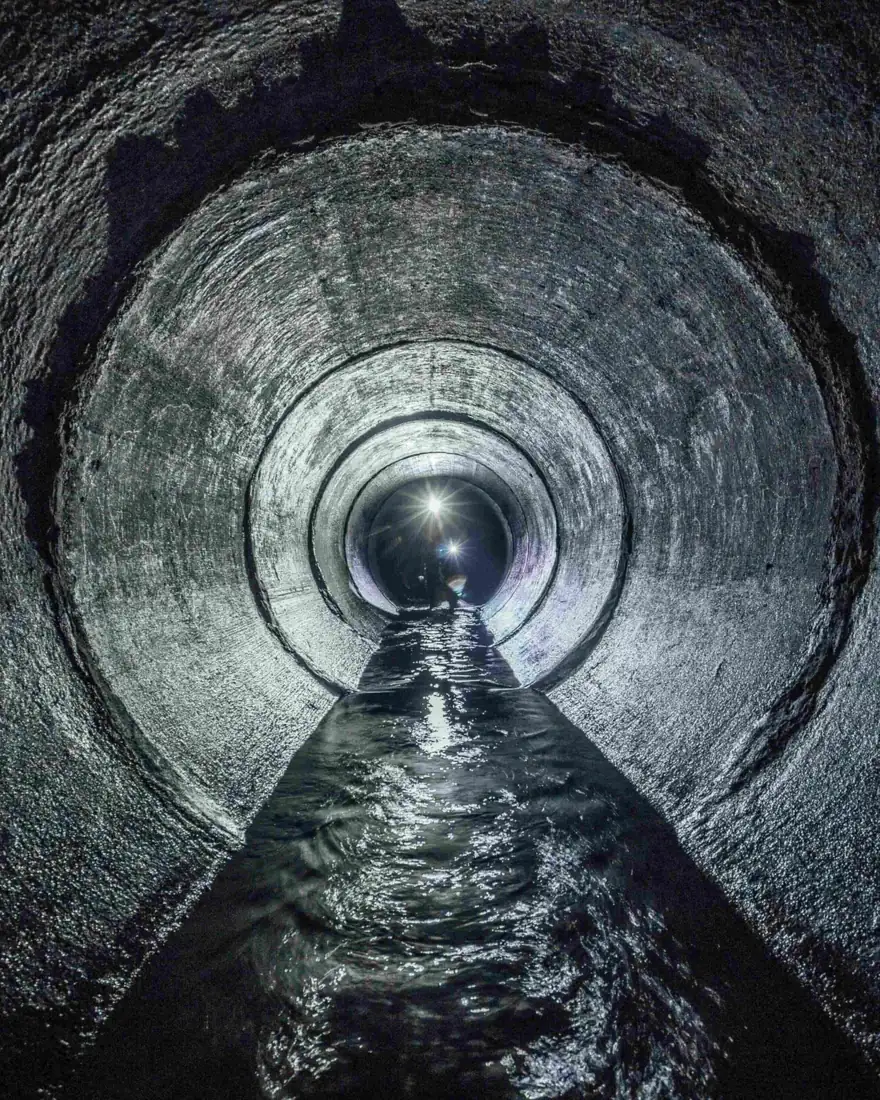
What’s the problem?
Common pipe defects and the products for each
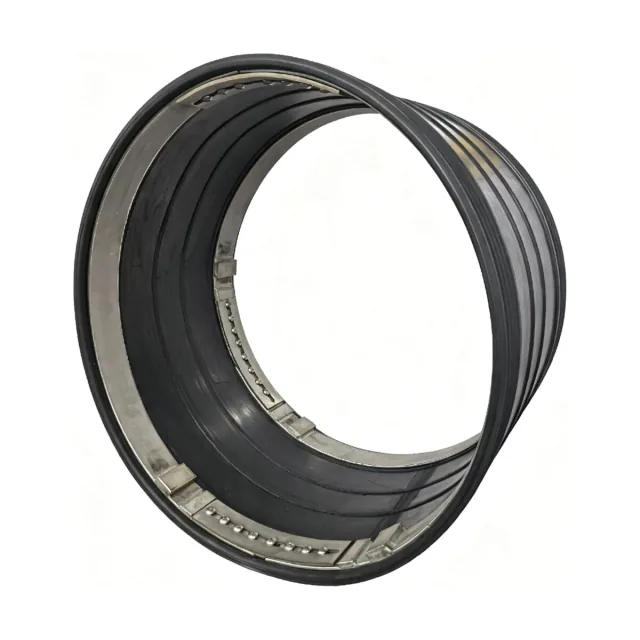
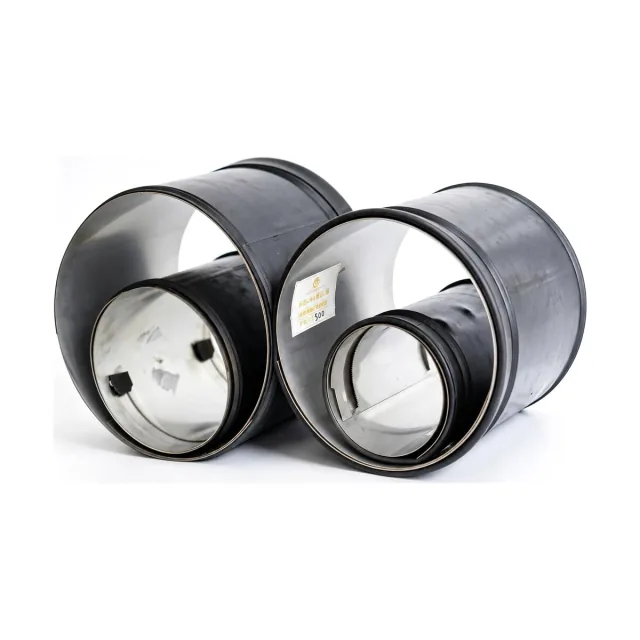
Cracks and local damage
Localized defects repaired from inside the pipe with sleeves, resin and packers.
Trenchless Point Repair Systems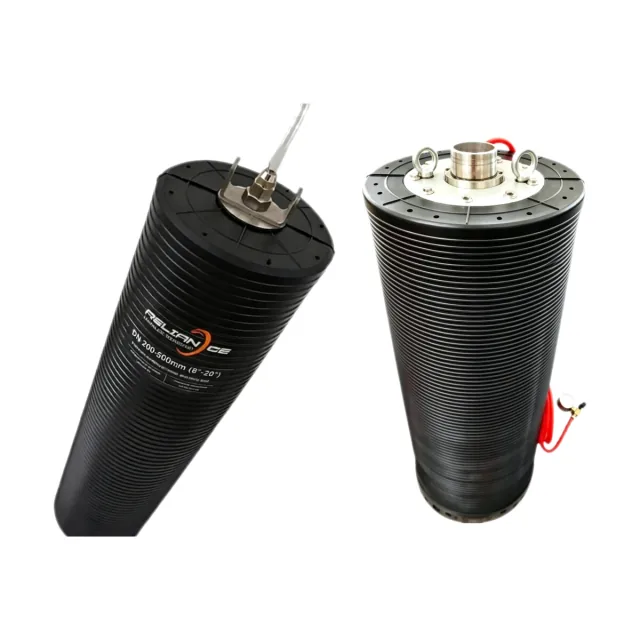
Flow isolation and testing
Blocking, bypassing or pressure-testing a pipe section during work.
Inflatable Pipe Plugs and Testing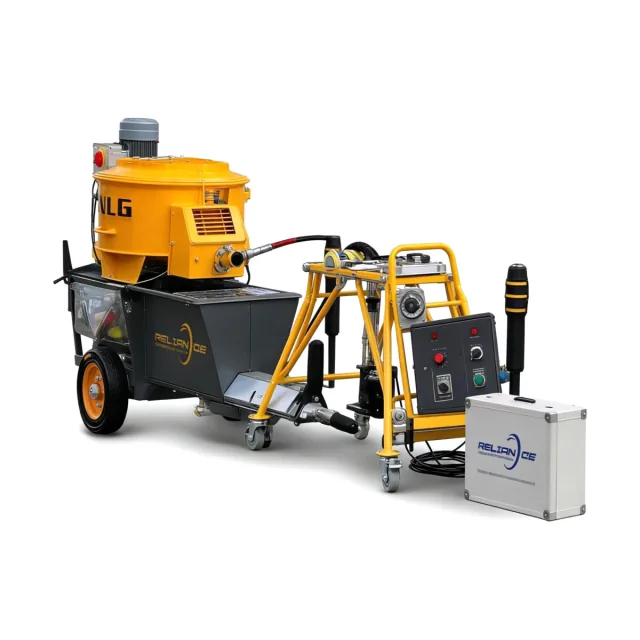
Deteriorated manholes
Inspection wells and culverts that need mortar spraying or grouting.
Mortar Rehabilitation
Size finder
Find products by pipe size
Choose a nominal pipe size to see which Reliance products publish a matching size or range.
Preliminary candidates only. Size matching does not confirm suitability; pipe material, defect, pressure and access need technical review.
Select a size to see matching products and models.
Typical workflow
From inspection to a tested repair
A localized trenchless repair usually follows these steps. Each step links to the products and guides that support it.
Inspect and measure
Review CCTV footage and record the pipe diameter, material, defect type and position before choosing a repair.
What CCTV Inspection Information Is Needed Before Pipe Point Repair?Isolate the section
Block or bypass the flow with an inflatable pipe plug that matches the pipe size and back pressure.
Inflatable Pipe Plugs and TestingPrepare the defect
Correct protruding or deformed pipe sections so the repair sleeve or patch can seat fully.
Pipe Defect PretreatmentRepair or seal
Install an Instant-Lock sleeve, a resin and fiberglass patch with a repair packer, or an internal joint seal.
Trenchless Point Repair SystemsTest the repair
Check the repaired section with test plugs according to the standard required for the project.
Inflatable Test Plug (TP-DN150–TP-DN1000)
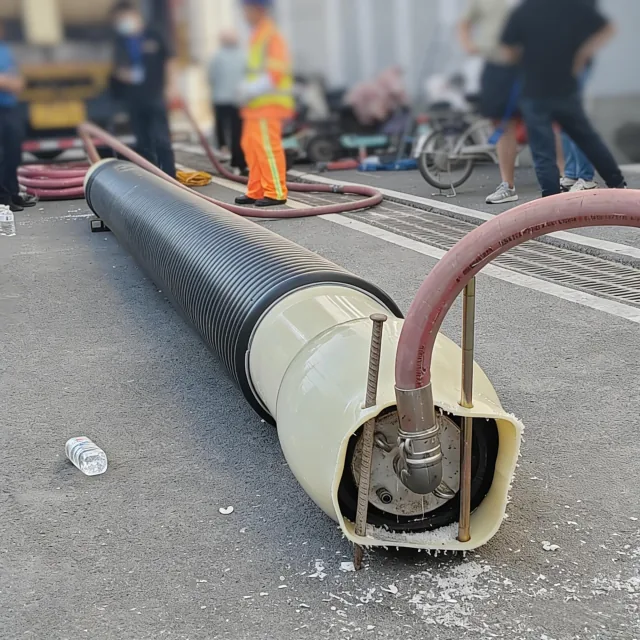
Inflatable Pipe Plugs and Testing
Compare a pipe balloon plug or pneumatic pipe plug for isolation, bypass and testing. Pipe inflation pressure and back pressure are separate model limits.
Published size range: DN50–4000 (2–160″)
Inflatable Pipe Plugs and Testing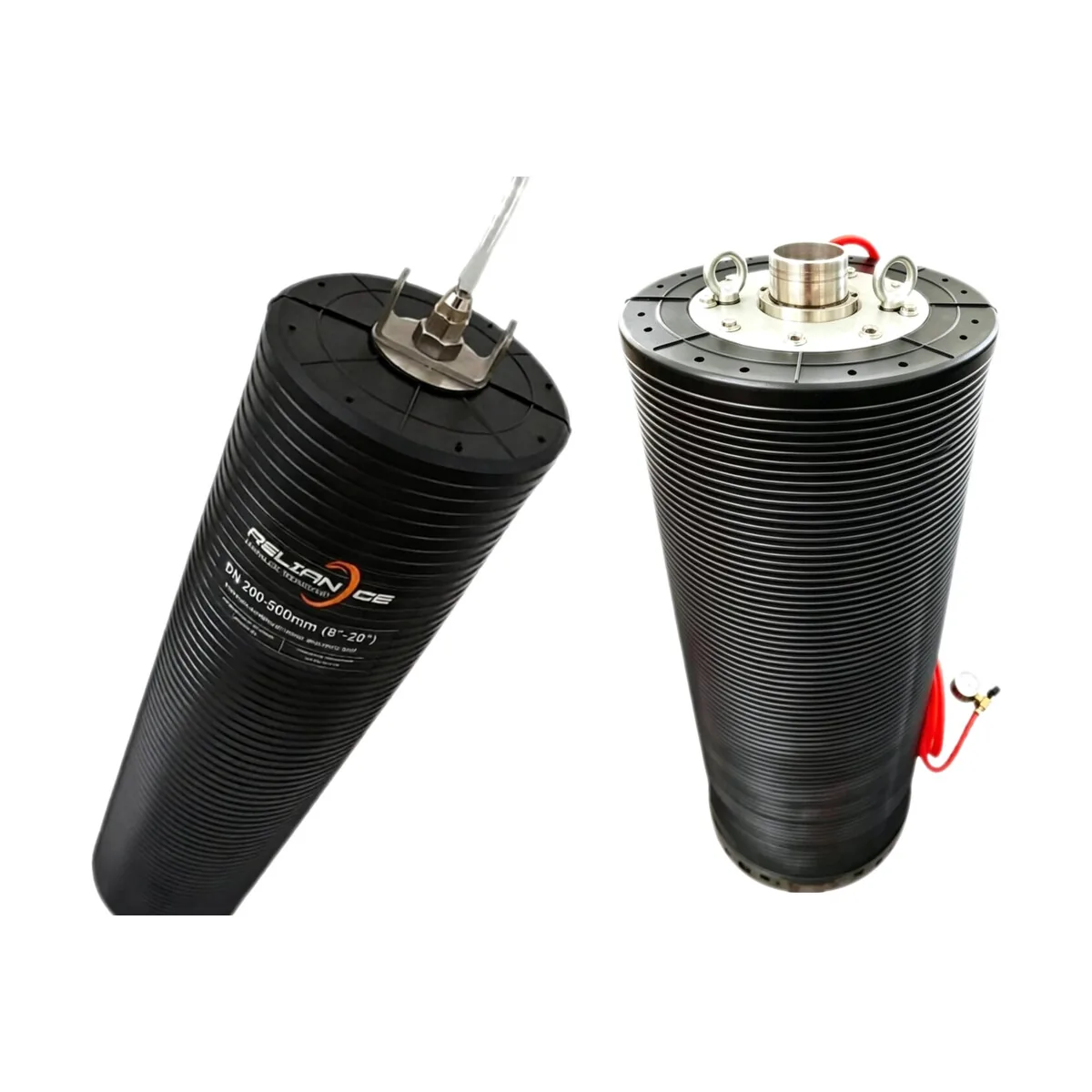
Multi-Size Inflatable Pipe Plugs
Pipe balloon plug for a diameter range. Compare MS isolation, MSBP bypass and HMSP rows; inflation pressure and back pressure are separate.
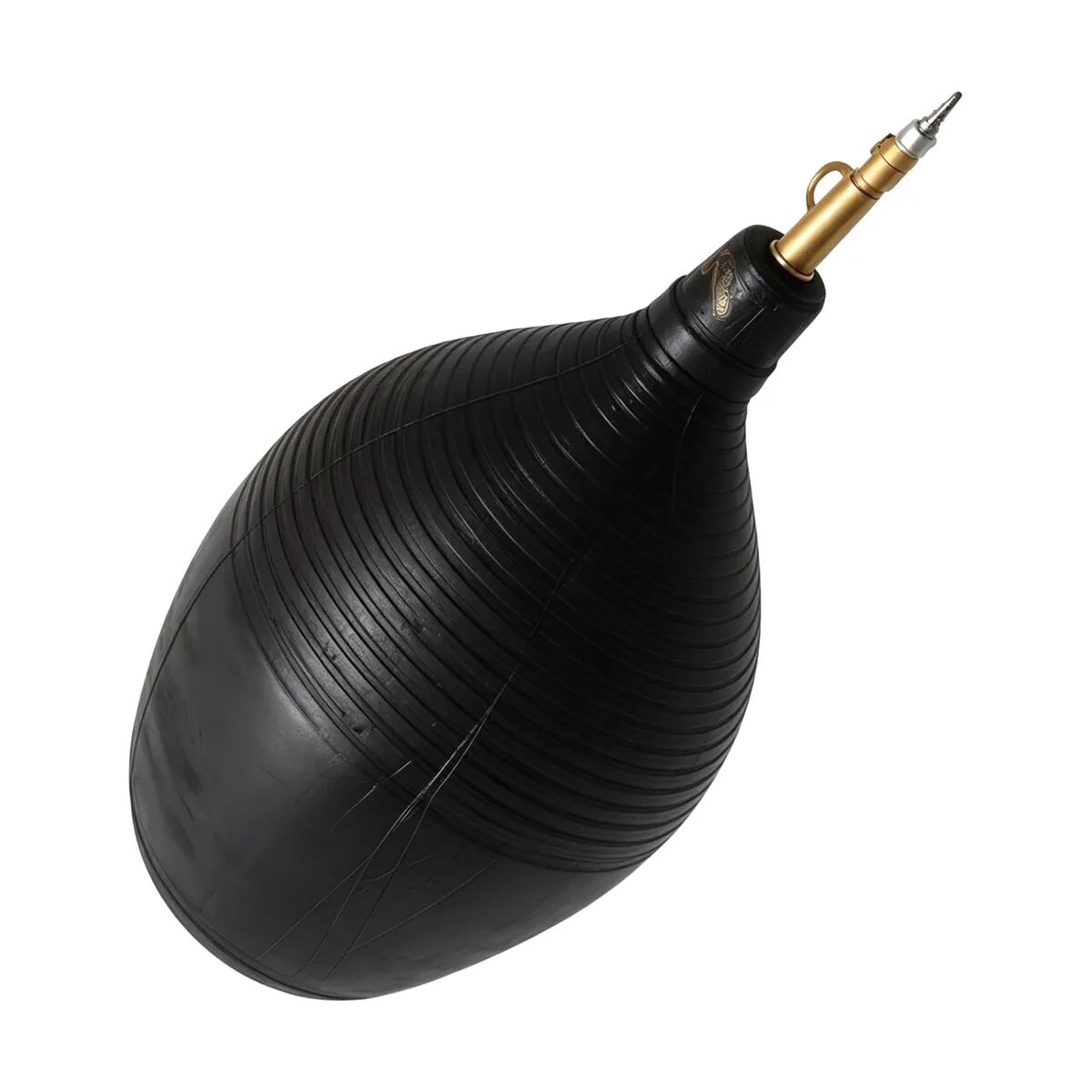
Single Size Pipe Plugs
Inflatable pipe stopper for one nominal size, SS 300 to SS 4000. Compare each catalogue row's deflated length and pressure limits.
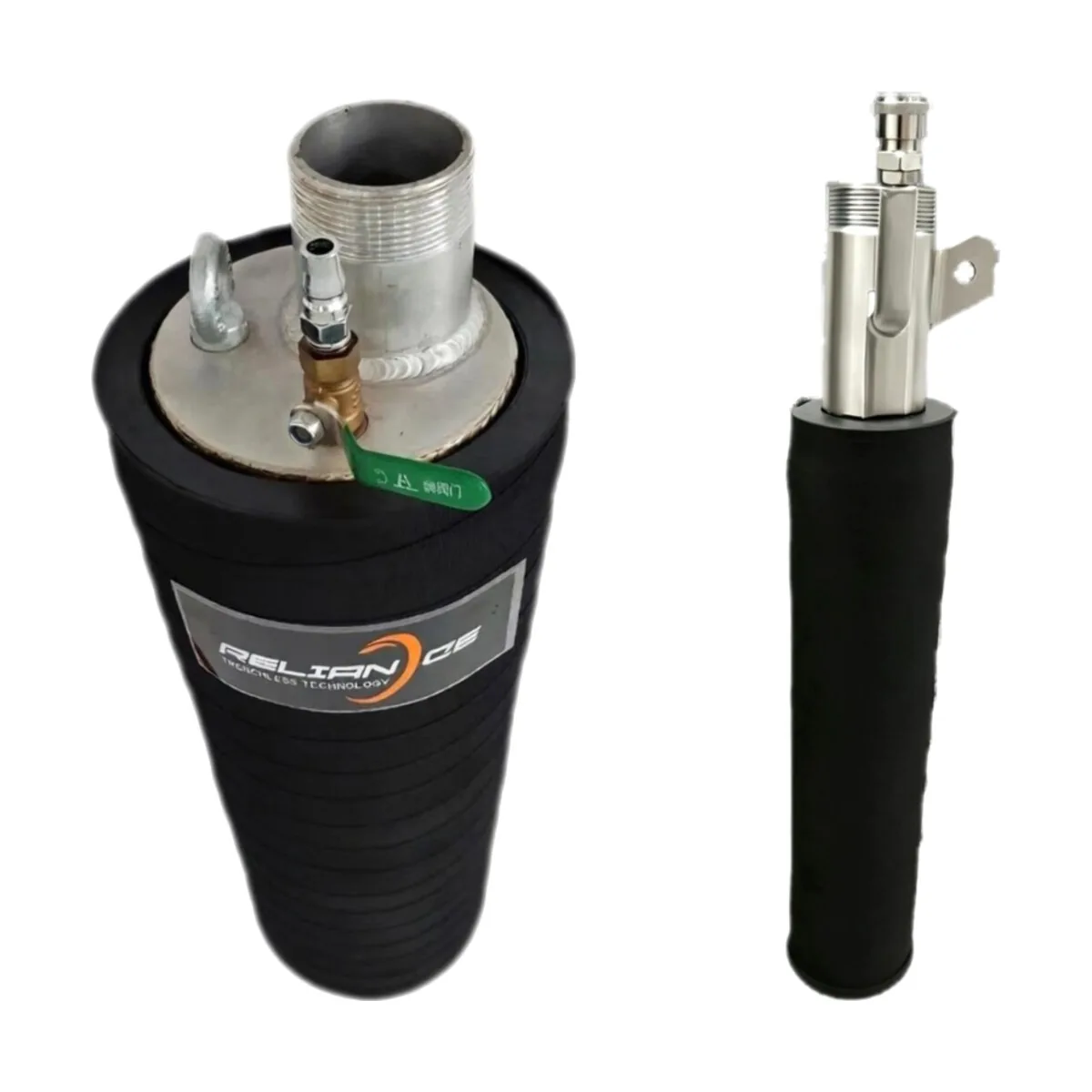
Inflatable Test Plug (TP-DN150–TP-DN1000)
Inflatable Test Plug for hydraulic or air testing of pipes and sewers. TP models run from TP-DN150 to TP-DN1000 in 4 bar and 6 bar series.
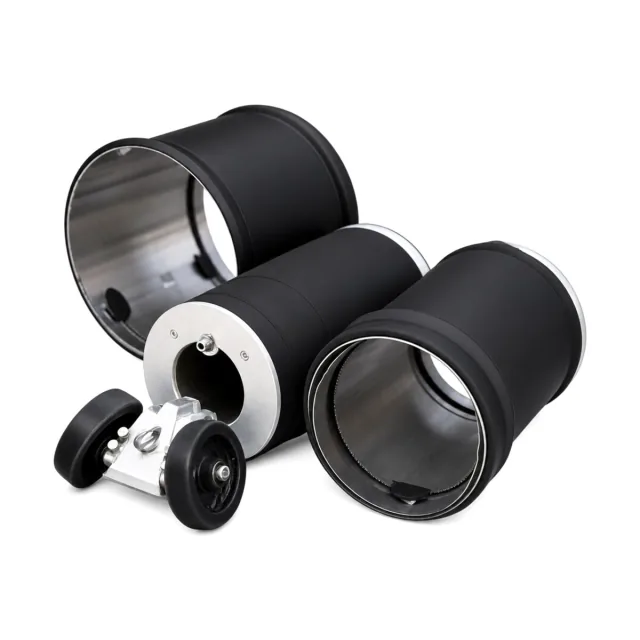
Trenchless Point Repair Systems
Trenchless point repair systems: sectional repairs with Instant-Lock 304L/316L sleeves DN150–2000, repair packers DN50–1500 and fiberglass resin patches.
Published size range: DN50–2000 (2–80″)
Trenchless Point Repair Systems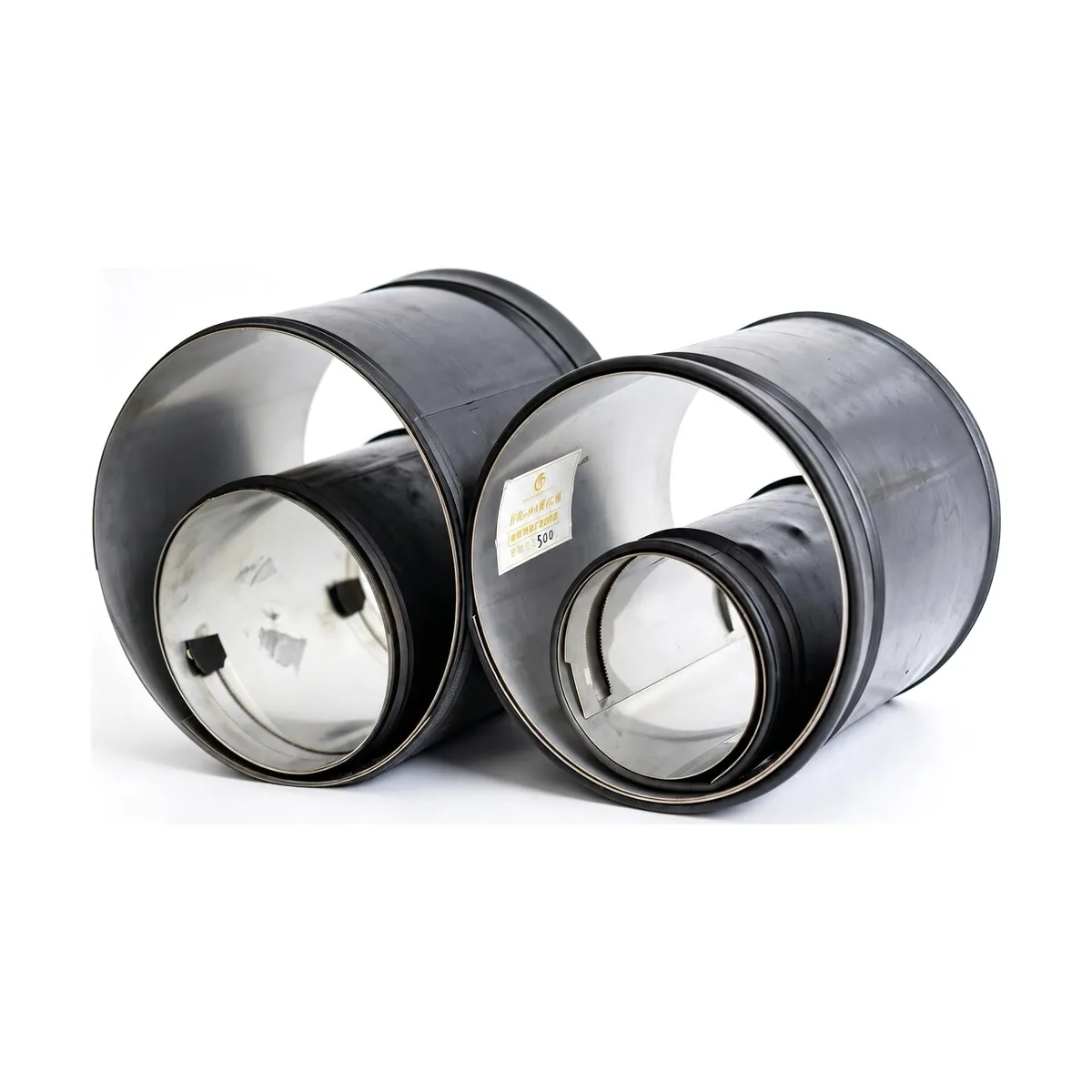
Mechanical Pipe Repair Sleeve (Instant-Lock, DN150–600)
Mechanical Pipe Repair Sleeve for DN150–600 pipes, with 304L stainless steel and EPDM. Installed from inside for localized point repair; match the sleeve to the measured internal diameter and installation packer.
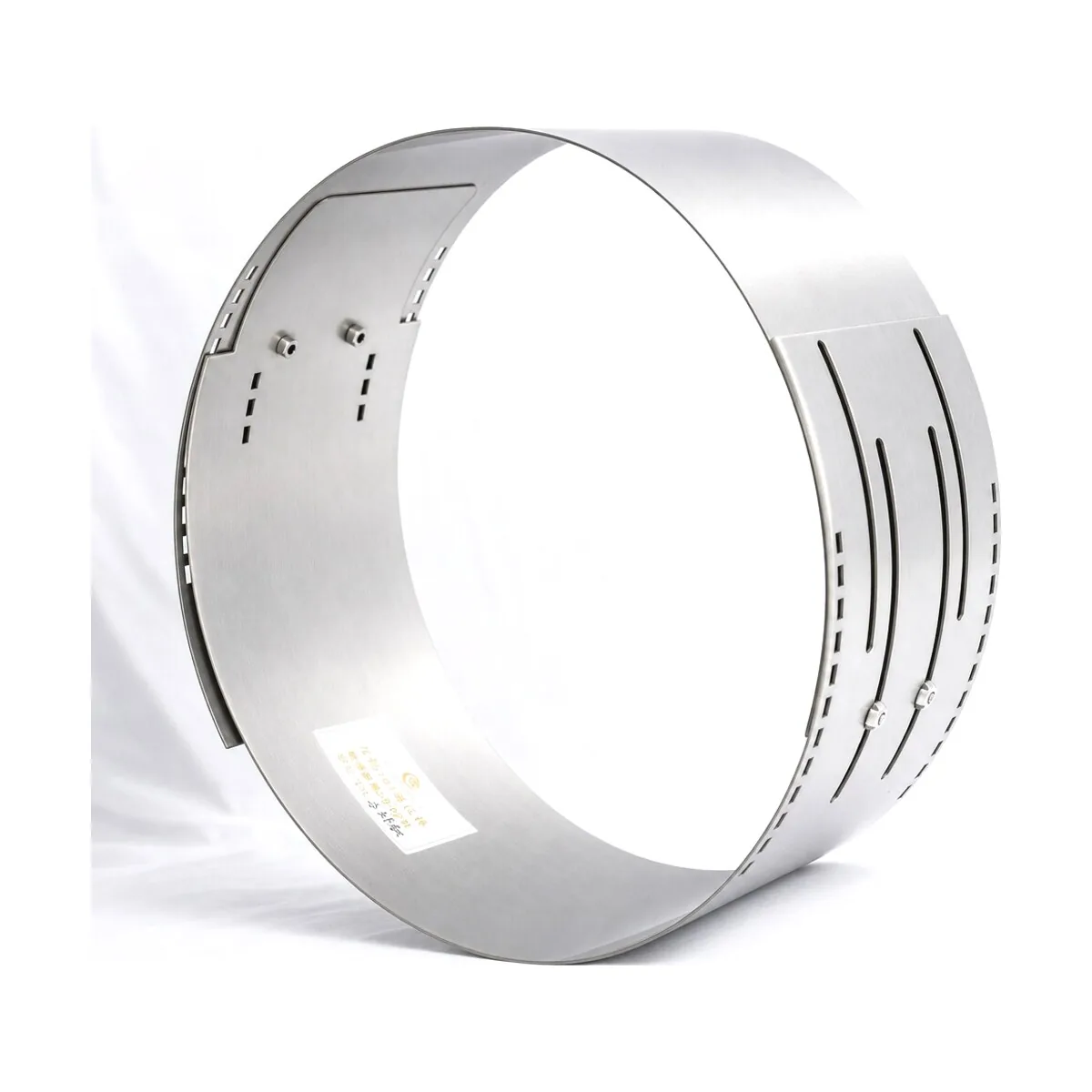
Large Mechanical Pipe Repair Sleeve (DN600–2000)
Large Mechanical Pipe Repair Sleeve for DN600–2000 pipes, with 304L stainless steel and EPDM. Installed with the SL Big Tool for localized trenchless point repair.
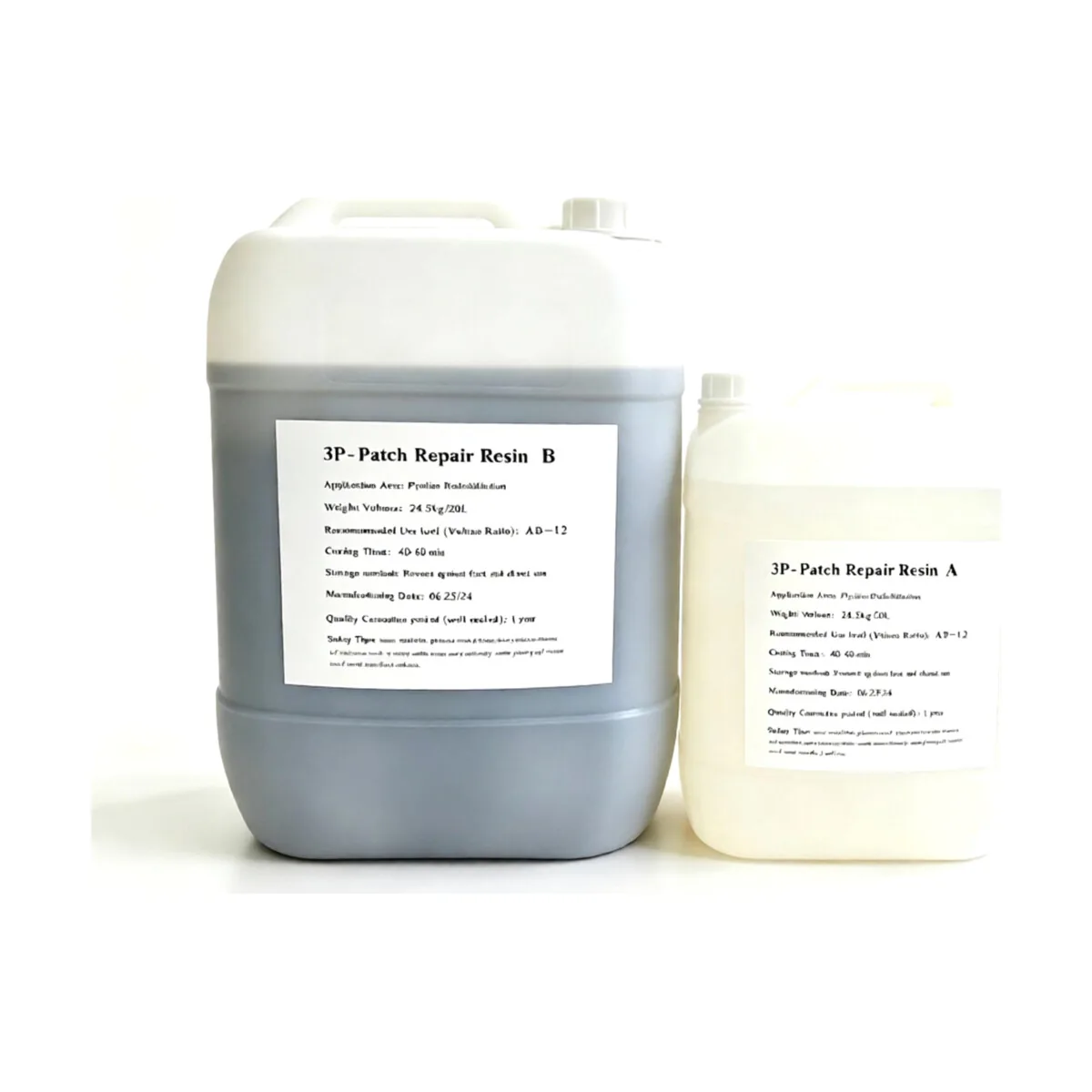
Trenchless Pipe Patch Fiberglass & Resin
Trenchless Pipe Patch Fiberglass & Resin materials for localized pipe patches. Choose the reinforcement grade, resin formulation and repair packer, then confirm an itemized supply list.
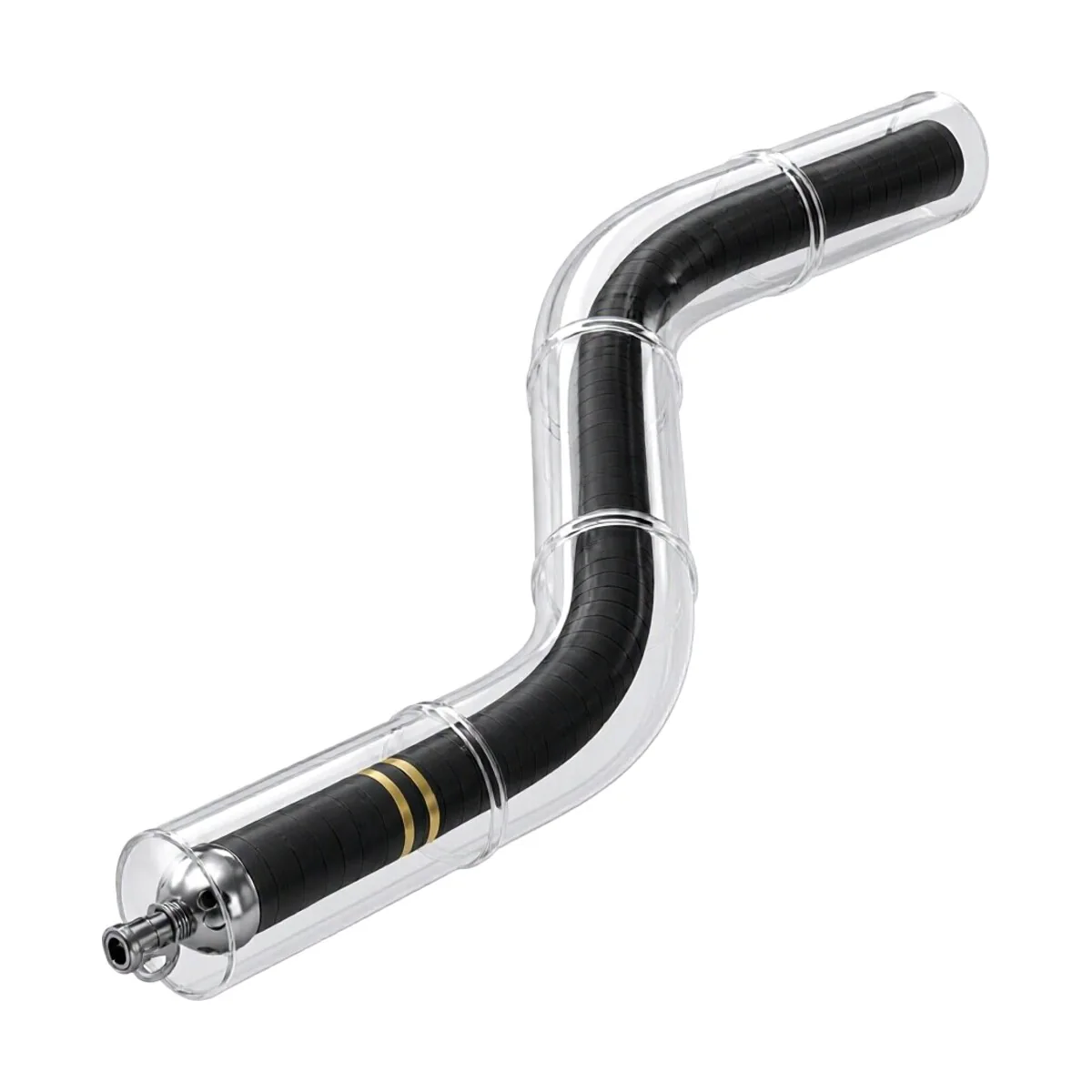
CIPP Point Repair Packers (DN50–1500)
CIPP Point Repair Packers for localized resin-and-fiberglass patches. Compare standard, bypass, long-lateral and wheeled models by pipe range, deflated size and working length. DN50–1500.
- How to Choose a Pipe Repair Packer
- Stainless Steel Pipe Repair Sleeves vs Resin-and-Fiberglass Patches
- Pipe Repair Resin: Pot Life, Setting and Cure Time
- Point Repair Equipment Checklist
- Internal Pipe Joint Seals vs Repair Sleeves: What Is the Difference?
- Fiberglass for Pipe Point Repair: Understanding Reinforcement Specifications
- Sectional Point Repair vs Full-Length CIPP Lining
- What CCTV Inspection Information Is Needed Before Pipe Point Repair?
- What Is Trenchless Pipe Repair? Methods and Limits
- Trenchless Installation Guide for Instant-Lock Point Repair
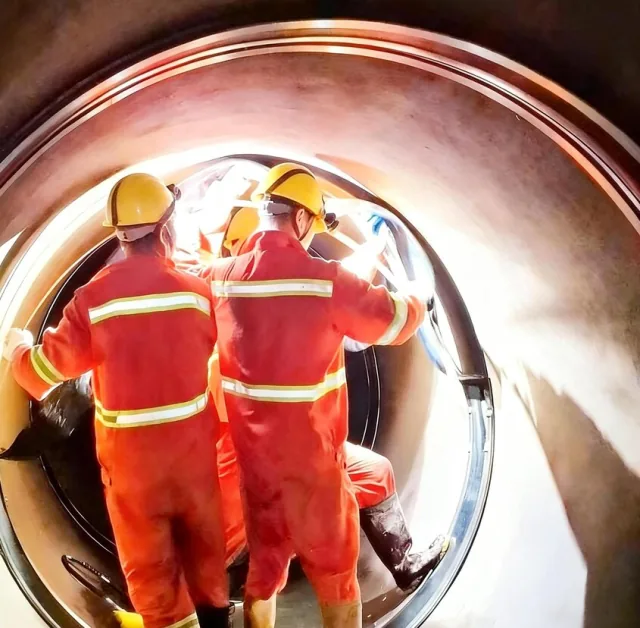
Internal Joint Sealing
Joint penetration seals for host-pipe joints, plus internal end seals for CIPP liner ends. Compare both by pipe diameter, joint geometry and site access.
Published size range: DN150–4000 (6–160″)
Internal Joint Sealing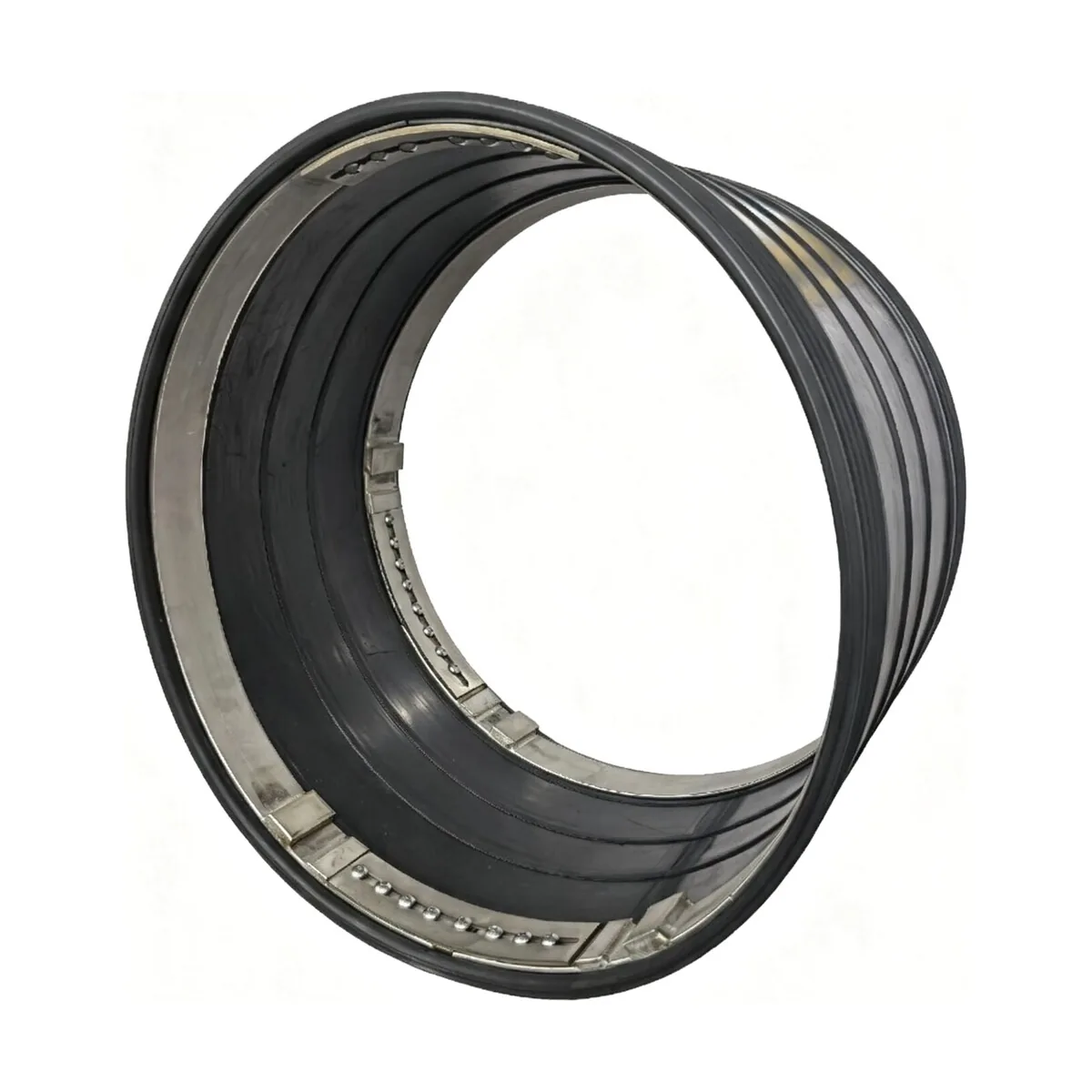
Internal Pipe Joint Seal (DN150–4000)
Internal Pipe Joint Seal installed from inside the pipe to stop joint infiltration or exfiltration. Stainless steel sleeve and rubber sealing element; WW and DW models for DN150–4000. Measure the joint internal diameter before selection.
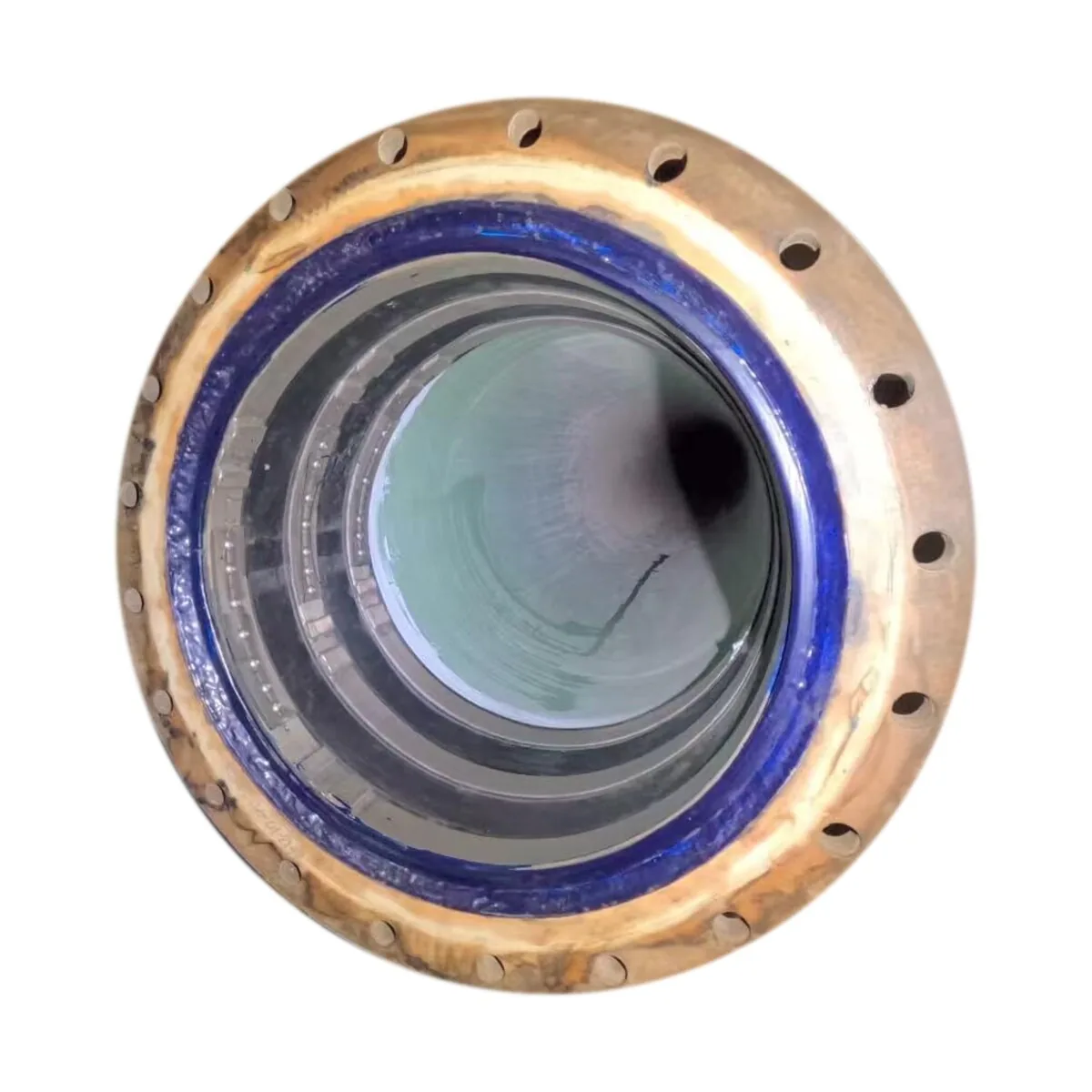
Internal Pipe End Seal for CIPP Liner Ends
Internal mechanical end seal for CIPP liner ends and pipe sections. EPDM sleeve and stainless steel expansion bands, installed from inside without excavation.
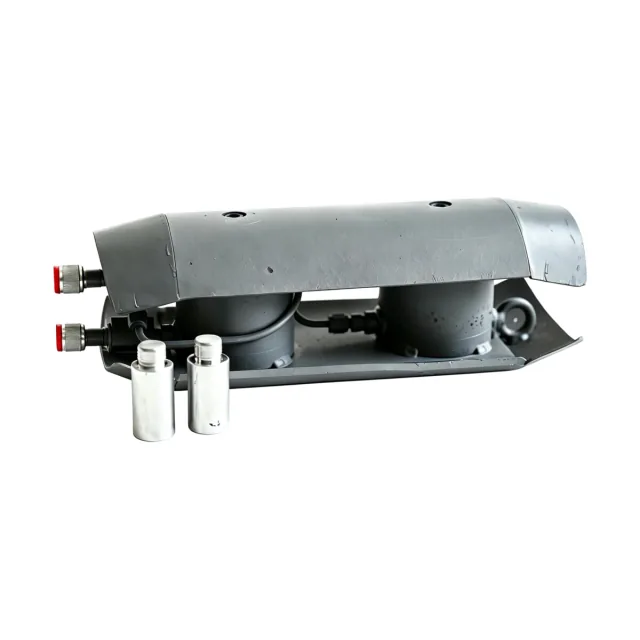
Pipe Defect Pretreatment
Review point-repair jacks for preparing pipe defects before a localized repair; check pipe material and model suitability.
Published size range: DN150–600 (6–24″)
Pipe Defect Pretreatment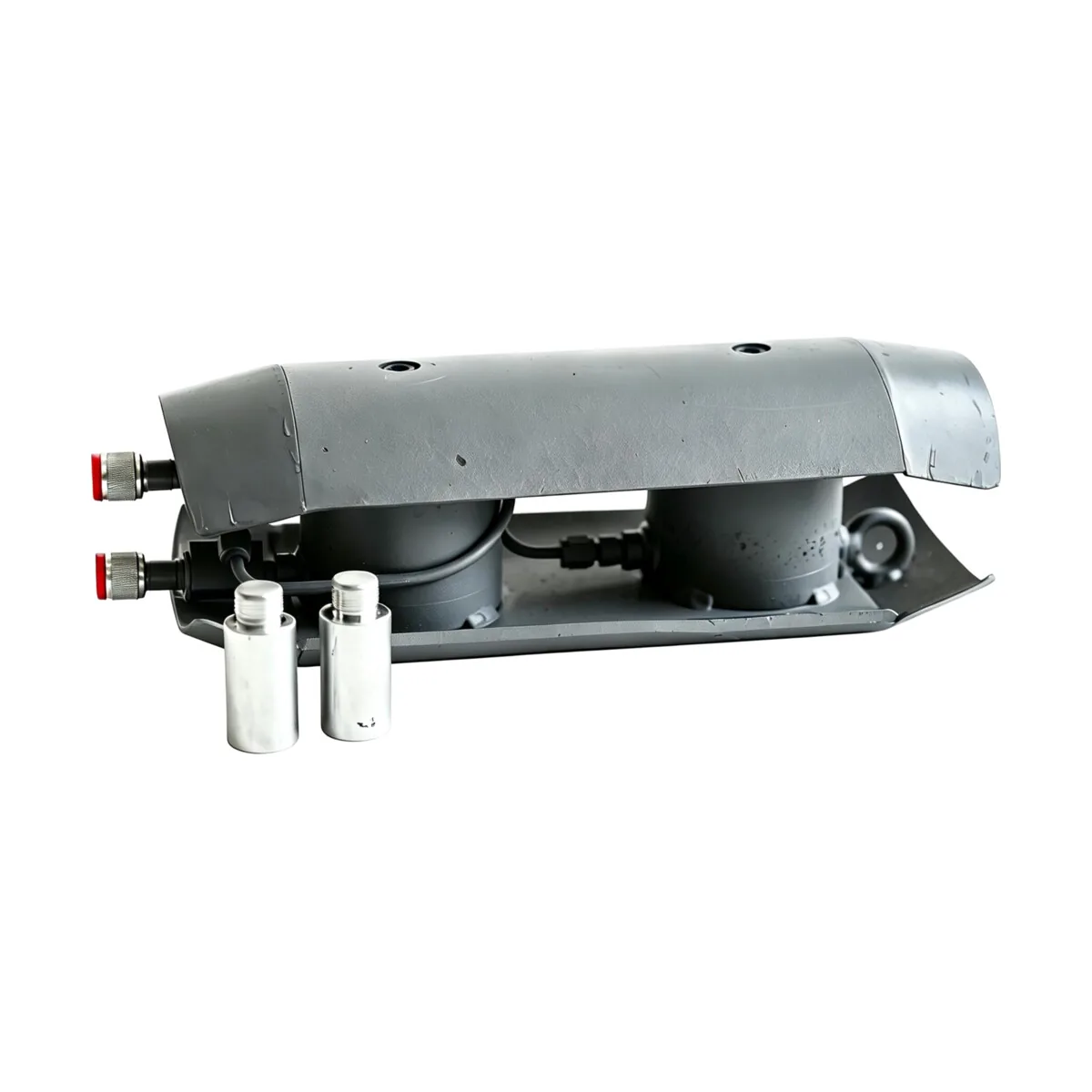

Mortar Rehabilitation
Review the mortar sprayer system for inspection wells, pipelines, culverts, underground concrete repair and grouting.
Published size range: DN600–1800 (24–72″)
Mortar Rehabilitation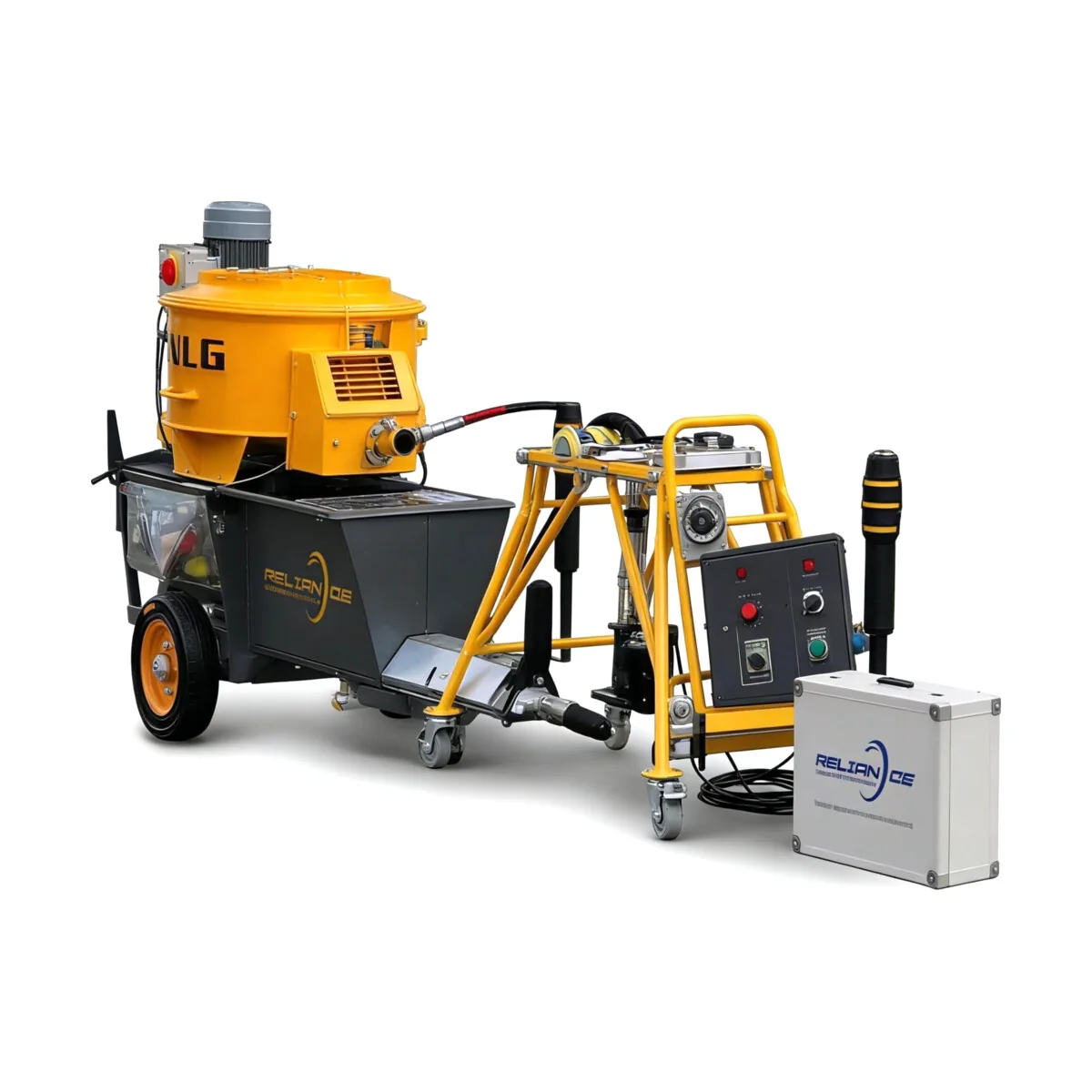
Technical Enquiry
Confirm dimensions, materials, operating limits, inspection documents, availability and delivery terms with Reliance for each project.
Pipe diameter, material and defect or intended task
Selected product or model, dimensions and quantity
Pressure or service conditions, access and installation constraints
Required standard, inspection documents, destination and target date