
Inflatable Pipe Plug Inspection, Cleaning and Storage
Reliance Trenchless Technology
Updated
For Reliance inflatable plugs, organize care around the exact model, its instructions and observed condition. Record formal inspections when required, keep damaged equipment out of use, and distinguish a review record from authorization to return a plug to service.
This guide is a general equipment-management checklist, not a Reliance model maintenance SOP. It does not provide inflation steps, pressure thresholds, cleaning agents, temperature limits, repair instructions or a service-life promise. Product descriptions and catalogue fields are first-party records, not project approvals. Review questions and blank worksheets are editorial aids. HSE references provide UK guidance and do not set Reliance model limits.
1. Identify the equipment and applicable manual
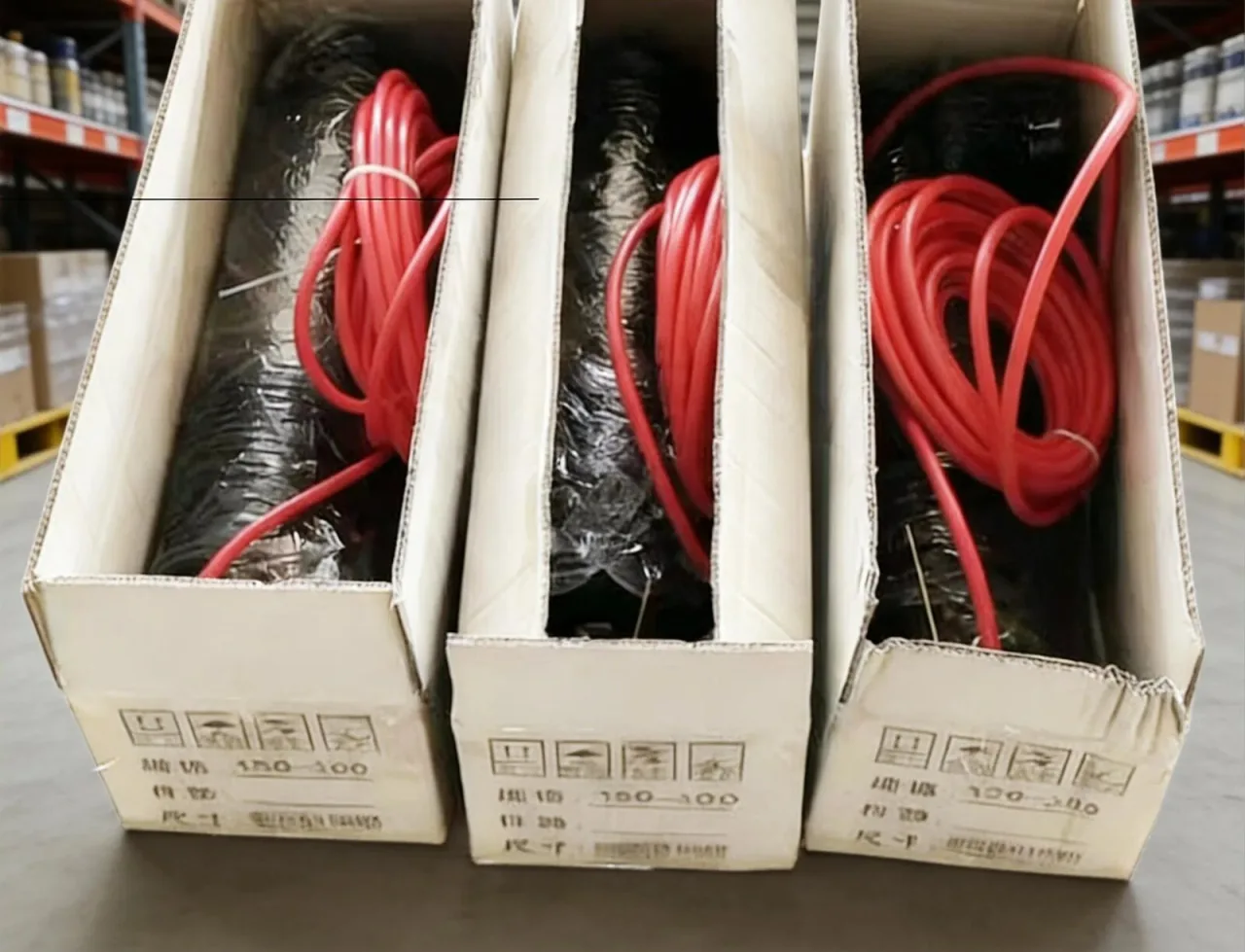
Start with the exact product identity: model, serial or asset reference if available, configuration, accessories and the instruction version used by the owner. The Reliance pipe-plug family contains multi-size, single-size and testing products; a general plug description is not a model manual.[4]
Keep the product page, brochure, purchase record and any maintenance instruction together. If the model or instruction version cannot be identified, record that gap before making a return-to-use decision.
Sources and supporting product information
Reliance Plugs brochure — original packer and plug descriptions, pages 1–22. Record visible condition without inventing a pass result
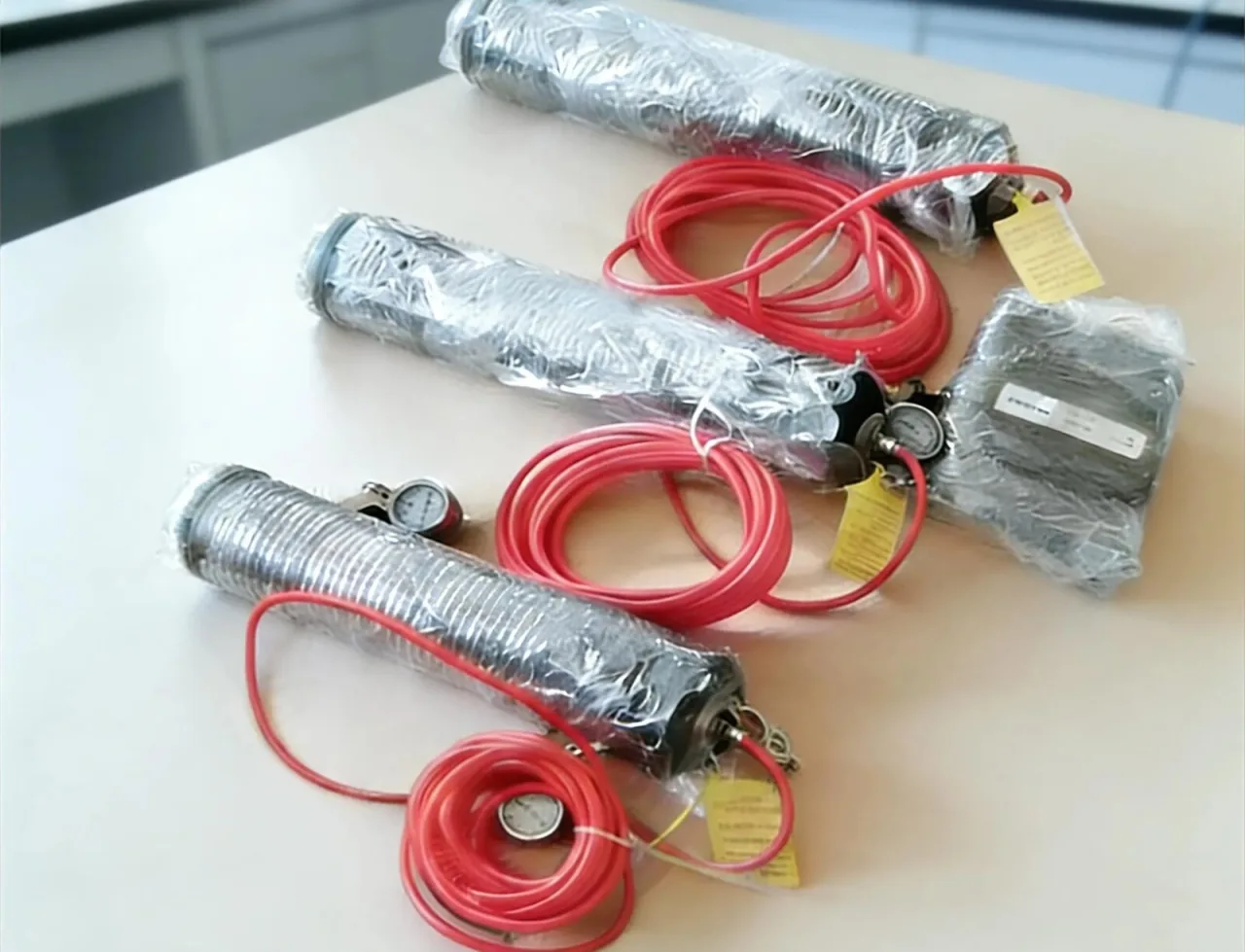
A useful record covers the applicable plug body, seams or sealing surfaces, inflation fittings, hoses, valves, gauges, handles, protective sleeves, labels and storage packaging. Note what was examined, what was not accessible and what was observed.
A condition record is not a pressure test or a safety clearance. HSE’s UK inspection guidance bases inspection scope and frequency on risk assessment and says records are not normally required for the simplest pre-use checks. Use this worksheet where a record is appropriate; it does not prescribe a pressure test or replace the model instructions.[3]
Sources and supporting product information
UK HSE — Inspection of work equipment: risk-based checks and inspection recordsReliance multi-size pipe plugs3. Keep cleaning decisions tied to the model instruction
Before cleaning, identify the material, contamination and the method allowed by the applicable instruction. Record the actual method used and any uncertainty. This guide does not recommend a solvent, disinfectant, detergent, temperature or exposure time because those conditions were not confirmed for every Reliance plug model.[2]
If a method is not documented for the exact equipment, pause that decision for technical review rather than transferring a chemical or temperature instruction from another manufacturer.
Sources and supporting product information
UK HSE — Maintenance of work equipment: manufacturer instructions, faults and maintenance records4. Document storage rather than setting a new threshold
Record the storage location, date placed into storage, packaging, visible deformation, moisture or contamination concerns and the person responsible for the handoff. Compare the location and handling practice with the exact manufacturer instruction when available.
Do not create an unverified temperature, humidity, stacking, bending or replacement interval. If a source is silent, mark the field unknown and request the applicable requirement.
5. Quarantine unresolved damage for review

Damage, an unidentified model, a missing fitting, an unreadable label or an unexplained inspection result should remain a review item. Do not announce that a plug is safe to use because it worked on an earlier job, and do not provide a patch, repair or self-designed pressure-test tutorial.
Keep faulty or damaged equipment out of use. A competent person should determine the next action using the exact model’s maintenance instructions and the applicable site safety procedure. Keep quarantine status separate from the inspection record; a product page alone does not authorize return to use.[2][3]
6. Use a blank inspection log
The following worksheet is intentionally blank. It is not a certificate, a pass result or proof that the equipment is safe to use. Fill it from the actual inspection and applicable instruction, and record who must review unresolved conditions.
| Equipment ID | Model | Applicable instruction | Inspection date | Observations | Cleaning method used | Storage location | Review status | Responsible person |
|---|---|---|---|---|---|---|---|---|
| Blank | Blank | Blank | Blank | Blank | Blank | Blank | Blank | Blank |
| Blank | Blank | Blank | Blank | Blank | Blank | Blank | Blank | Blank |
What to include in your enquiry
Send the information you have and identify what still needs measurement or confirmation. A requested delivery date is a requirement to review, not a promised lead time.
Exact model, asset identity and instruction revision.
Applicable plug body, fittings, hose, valve, gauge, label and accessory observations.
Cleaning method and source permission, or an explicit unknown status.
Storage location, packaging, handoff and visible storage conditions.
Damage, missing parts or unresolved observations recorded separately.
Review status and responsible technical person.
No self-created pressure, chemical, temperature or service-life threshold.
Related product pages
The primary button preselects Multi-Size Inflatable Pipe Plugs as a discussion starting point; it does not confirm suitability. The contact form displays the available submission method and result. The email draft appears on the page for review and copying; it does not confirm delivery.