
Internal Pipe Joint Seals vs Repair Sleeves: What Is the Difference?
By Reliance Trenchless Technology
Internal joint seals and repair sleeves can look similar in a catalogue, but appearance does not make them interchangeable. Compare the defect, documented purpose, geometry, installation equipment and project evidence.
This comparison explains the published product categories and review questions. It does not select a model, establish structural performance or approve a repair for a particular pipe.
This guide is available in English. Choosing another language opens that language’s resource library.
1. Start with the repair objective
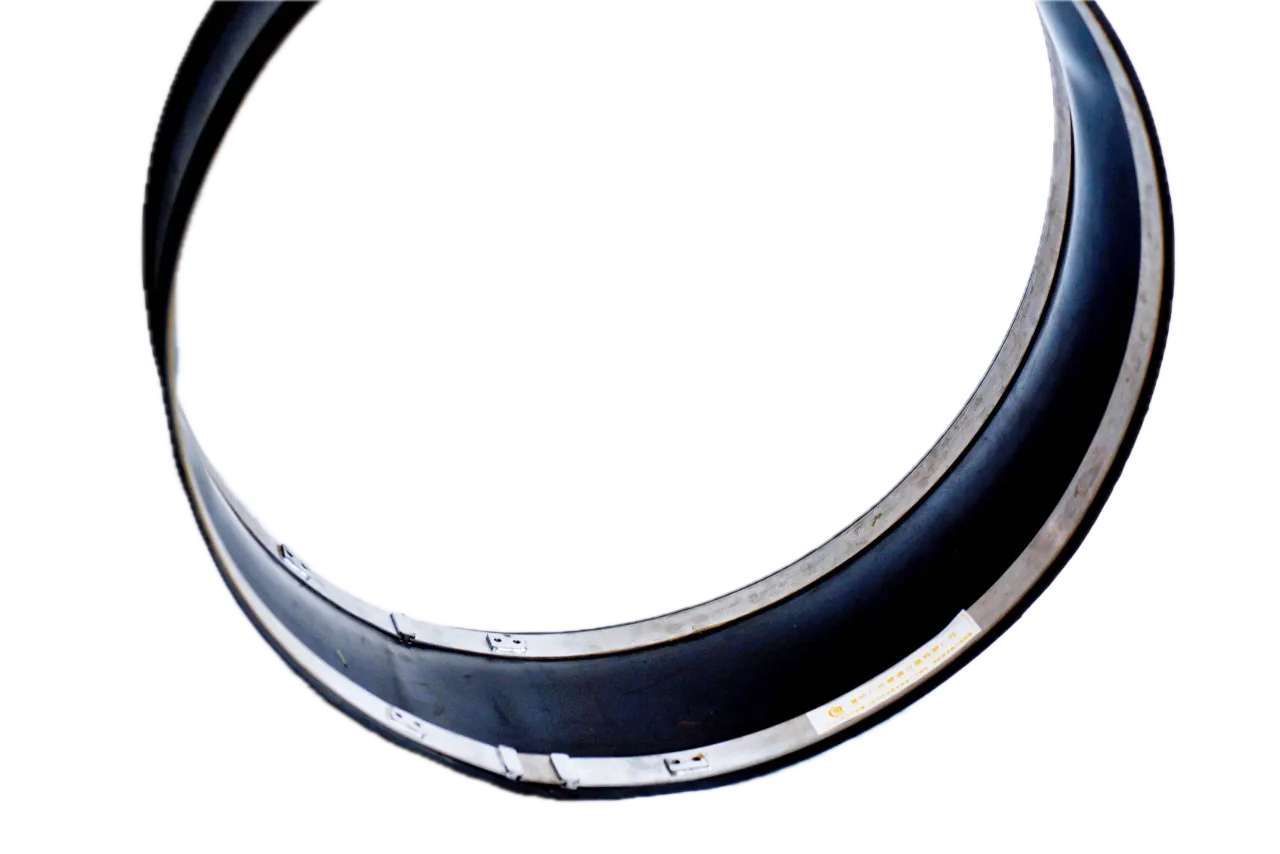
An internal joint seal is presented for leakage at the joint between pipe sections. Reliance’s internal pipe seal information describes stainless steel components, a rubber sealing element and installation accessories for the joint area.
The Instant-Lock small and large sleeve ranges are presented as localized internal rehabilitation assemblies with their own dimensions and installation arrangements. A sleeve proposal should be reviewed against the affected area and the specified rehabilitation task, not only against a shared word such as “seal”.
A joint leak, a localized damaged area and a wider rehabilitation problem can overlap in a project, but the product category alone does not decide which task is being addressed.
Sources and supporting product information
Reliance internal pipe joint seals: assembly and technical informationReliance small internal repair sleevesReliance large internal repair sleeves2. Compare components and geometry
The internal joint seal source shows slot-type and screw-type stainless steel sleeve assemblies with a rubber sealing element and an anti-wear or fixed-block arrangement. The exact configuration and material designation must be confirmed from the product documents.
The sleeve sources describe small and large Instant-Lock ranges separately. Their installation tools and published dimensions are not interchangeable by appearance. Review the assembly, the pipe bore, the joint or defect geometry and the equipment used to position it.
These are source-specific descriptions. They should not be generalized into a claim about every internal seal or repair sleeve sold in the industry.
Sources and supporting product information
Reliance internal pipe joint seals: assembly and technical informationReliance small internal repair sleevesReliance large internal repair sleeves3. What to compare before choosing
Use the comparison questions below to make the choice traceable. The evidence column is intentionally more specific than “ask the supplier”: it identifies the type of record that should support the decision.
| Question | Internal joint-seal information to review | Repair-sleeve information to review | Evidence needed |
|---|---|---|---|
| What is being addressed? | Recorded joint location, leakage task and joint condition. | Defect or affected area, location and rehabilitation task. | Inspection record, images or drawing identifying the area. |
| What assembly is proposed? | Stainless steel components, sealing element and the stated ring arrangement. | Sleeve, elastomer and the stated small or large installation arrangement. | Product guide, source drawing and quoted configuration. |
| What geometry matters? | Bore on each side, joint opening, available seating area and nearby obstacles. | Measured bore, affected length, access and sleeve positioning space. | Measured or clearly identified project records. |
| Which equipment is needed? | Installation equipment and accessories for the seal arrangement. | Matching installation packer or tool arrangement for the sleeve range. | Configuration list and applicable instructions. |
| What does the material information prove? | The published material designation and stated product context. | The published sleeve and elastomer description. | Current source document; compatibility remains project-specific. |
| How is the result checked? | Project leakage, inspection and document requirements. | Project inspection and acceptance requirements. | Owner specification and agreed records. |
Sources and supporting product information
Reliance internal pipe joint seals: assembly and technical informationReliance small internal repair sleevesReliance large internal repair sleeves4. Avoid category shortcuts
Do not write “one is always structural” or “one is never structural” as a universal rule. A product name or material name does not establish structural capacity, pressure rating or service life. The purpose and evidence for the proposed system must be reviewed for the actual project.
Similarly, do not assume that a joint seal can address every nearby defect, or that a repair sleeve automatically addresses a joint condition. The project record should state what is observed and what outcome is required.
Sources and supporting product information
Reliance internal pipe joint seals: assembly and technical informationReliance small internal repair sleevesReliance large internal repair sleeves5. Use the existing measurement guides
For an internal joint seal, use Internal Pipe Joint Seals: What to Measure Before Ordering to organize bore, joint condition, access and service information. For a sleeve or resin route, the sleeves versus resin-and-fiberglass guide explains how to compare the repair assembly without turning a packer dimension into a finished-repair claim.
Linking to the relevant measurement guide avoids copying a second full checklist here and keeps each article focused on a different decision.
Sources and supporting product information
Reliance internal pipe joint seals: assembly and technical informationReliance small internal repair sleevesReliance large internal repair sleeves6. Document the project choice
Record the observed problem, the proposed category, the source document, the measured conditions and the unresolved assumptions. If two categories remain plausible, request a documented configuration review for both rather than presenting one as the automatic answer.
This article is a comparison aid, not a technical approval. The quotation and project reviewer should identify the exact product, installation equipment, material information and acceptance records that apply.
What to include in your enquiry
Send the information you have and identify what still needs measurement or confirmation. A requested delivery date is a requirement to review, not a promised lead time.
Observed joint or defect, location and intended outcome.
Measured bore and local geometry, kept separate from nominal size.
Proposed internal seal or sleeve assembly and source document.
Installation tools and access constraints for the exact category.
Material designation and any service-compatibility question.
Inspection, acceptance and project-document requirements.
Related product pages
The primary button preselects Internal Pipe Joint Seals as a discussion starting point; it does not select a system or confirm suitability. The contact form opens an email draft for you to review and send. Opening it does not confirm delivery.