
Internal Joint Sealing
Joint penetration seals for host-pipe joints, plus internal end seals for CIPP liner ends. Compare both by pipe diameter, joint geometry and site access.
Buyer’s guides
How these products work inside the pipe
Simplified illustration, not to scale. Select by the measured internal diameter and the model table.
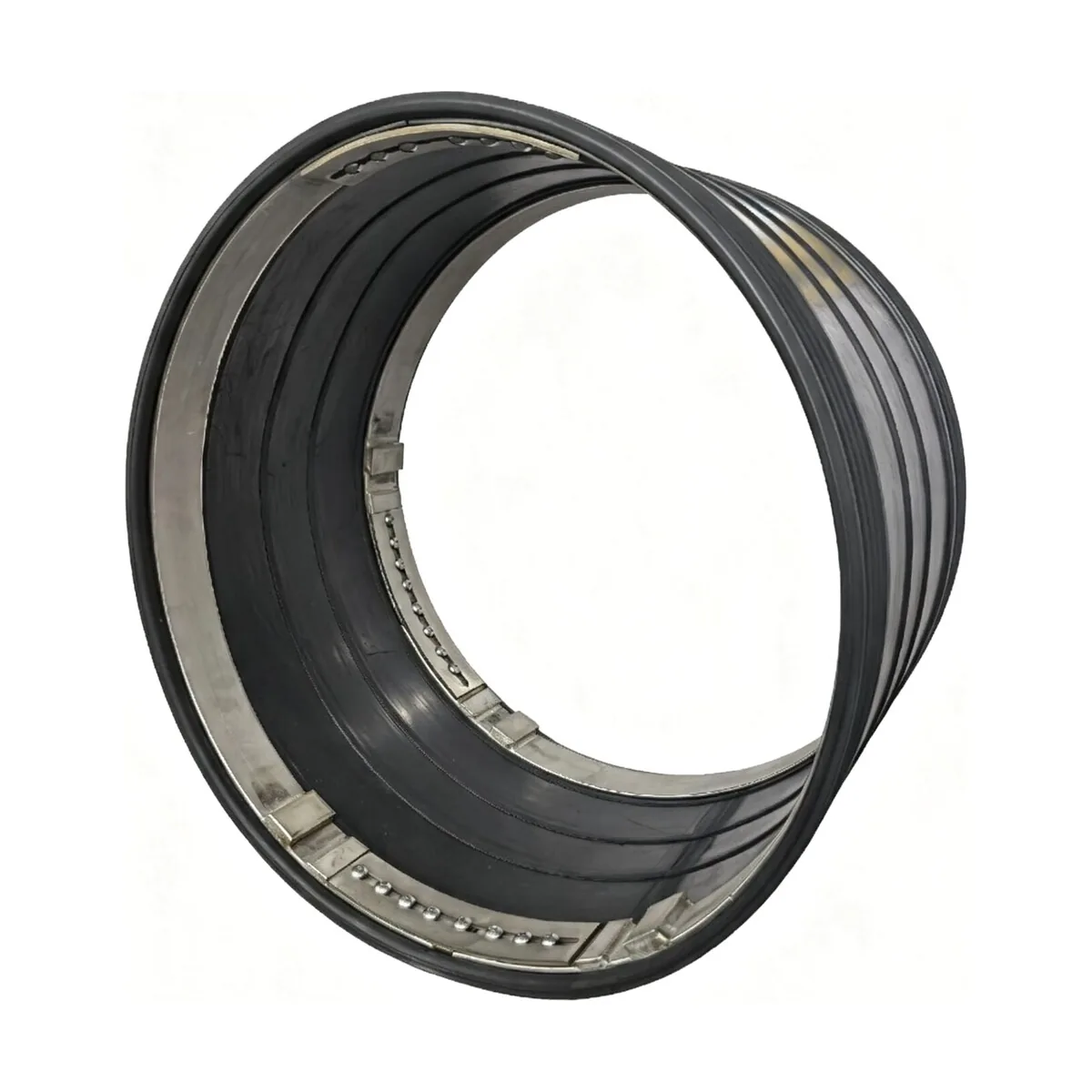
Internal Pipe Joint Seal (DN150–4000)
An Internal Pipe Joint Seal stops infiltration or exfiltration at the joint between pipe sections. It combines stainless steel sleeves, a rubber sealing element and installation accessories, and is installed from inside the host pipe. Measure the joint internal diameter and confirm the WW or DW model, materials and service conditions before ordering.
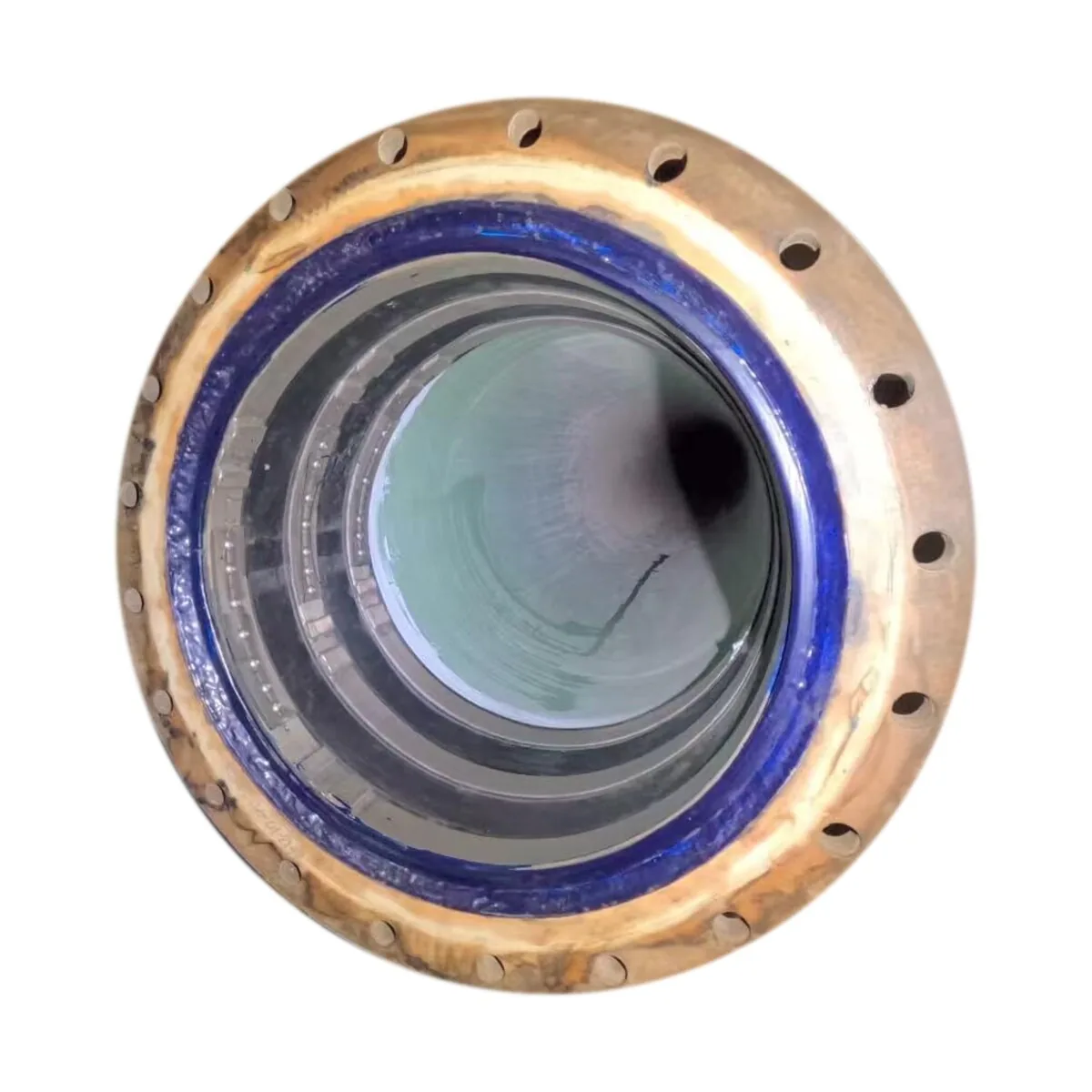
Internal Pipe End Seal for CIPP Liner Ends
Internal mechanical end seals press an EPDM rubber sleeve against the pipe wall with stainless steel expansion bands, sealing the ends of CIPP liners and pipe sections from inside without excavation. Measure the internal diameter at the seal position and confirm materials and service conditions before selecting a configuration.
Project Review
Confirm dimensions, materials, operating limits, inspection documents, availability and delivery terms with Reliance for each project.
Pipe diameter, material and defect or intended task
Selected product or model, dimensions and quantity
Pressure or service conditions, access and installation constraints
Required standard, inspection documents, destination and target date