
Pipe Plug vs Repair Packer: What Is the Difference?
Compare Reliance pipe plugs and repair packers by task, bypass, pressure terminology and repair coverage, with NASSCO and HSE references.
By Reliance Trenchless Technology6 min read
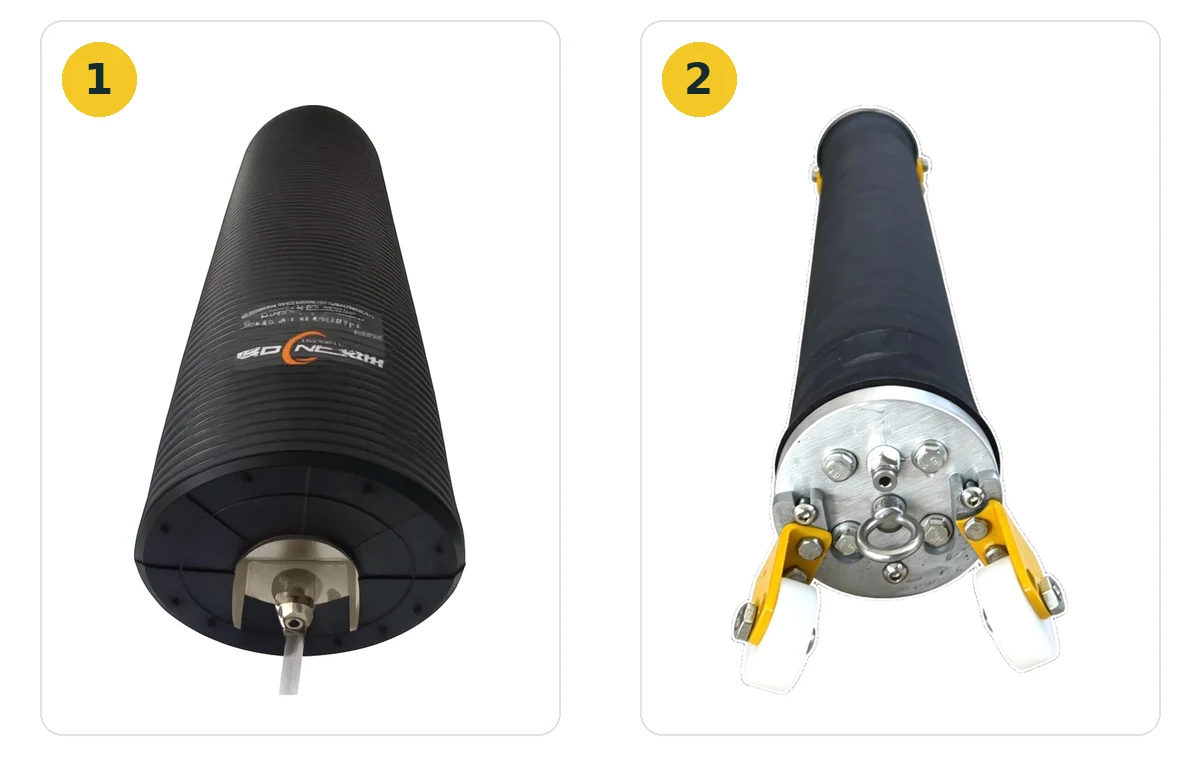
Use a pipe plug for temporary isolation or a specified bypass/testing arrangement; use a repair packer to position and support a localized repair while it cures. Reliance's multi-size inflatable pipe plugs and repair packers address these different tasks. Their inflatable bodies can look similar, but the task, loading and equipment configuration must be checked separately.
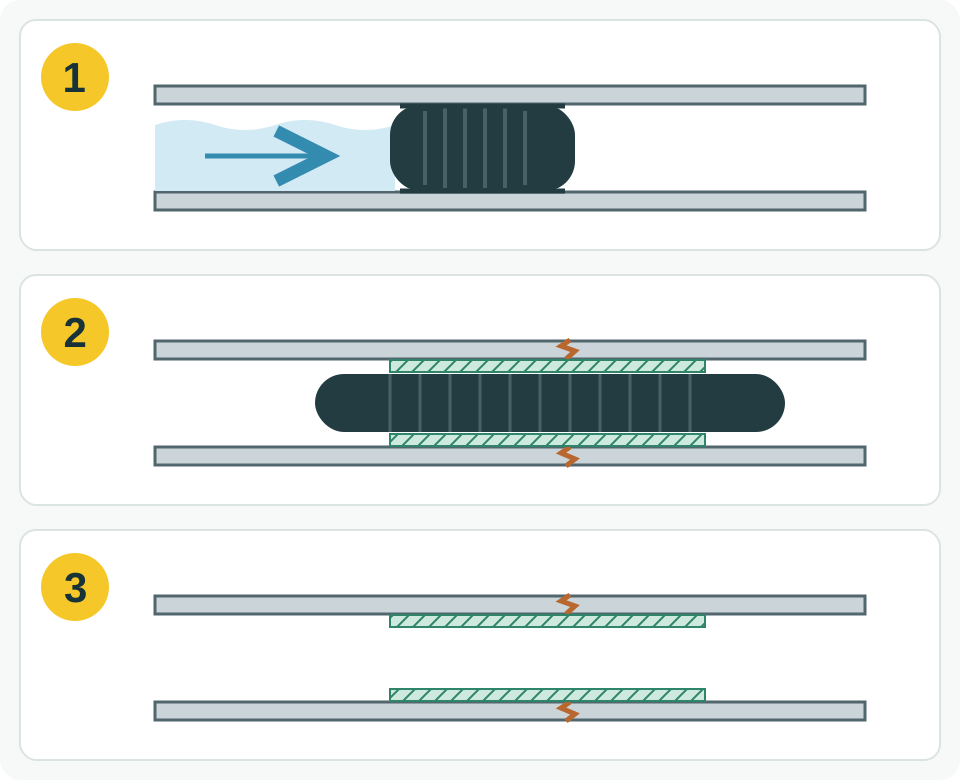
A plug temporarily closes a pipe bore. A point-repair packer carries repair material to a defect and presses it against the host pipe. The packer is removed after curing; the repair remains. Do not assume that equipment sold for one duty is approved for the other. The comparison below concerns Reliance's pipe plugs and patch-installation packers, rather than every tool called a packer.
Isolation and repair are different tasks
Temporary isolation controls water or sewage during a defined operation. A plug may form part of an isolation, bypass or test setup, but its selection must account for the pipe bore, expected upstream pressure, connections and the manufacturer's instructions. The Reliance plugs brochure, page 2, distinguishes plugs with and without bypass and gives separate inflation-pressure and back-pressure columns.
Localized rehabilitation addresses a defect in the pipe itself. NASSCO's Pipe Rehabilitation overview, under “Cure-In-Place Pipe (CIPP) Joint/Spot Repairs,” describes resin-impregnated felt or fiberglass wrapped around an inflatable packer and positioned at the defect. The repair is then cured using the method appropriate to the resin. This explains the packer's role as an installation carrier; the selected repair system and project design determine the finished repair's suitability.
NASSCO also describes grouting packers used to test and inject joints. Consequently, “packer” alone does not identify a tool's intended duty. Specify a patch-installation repair packer when that is what the project needs. A localized repair, a grouting operation and a full-length liner require different equipment and preparation.
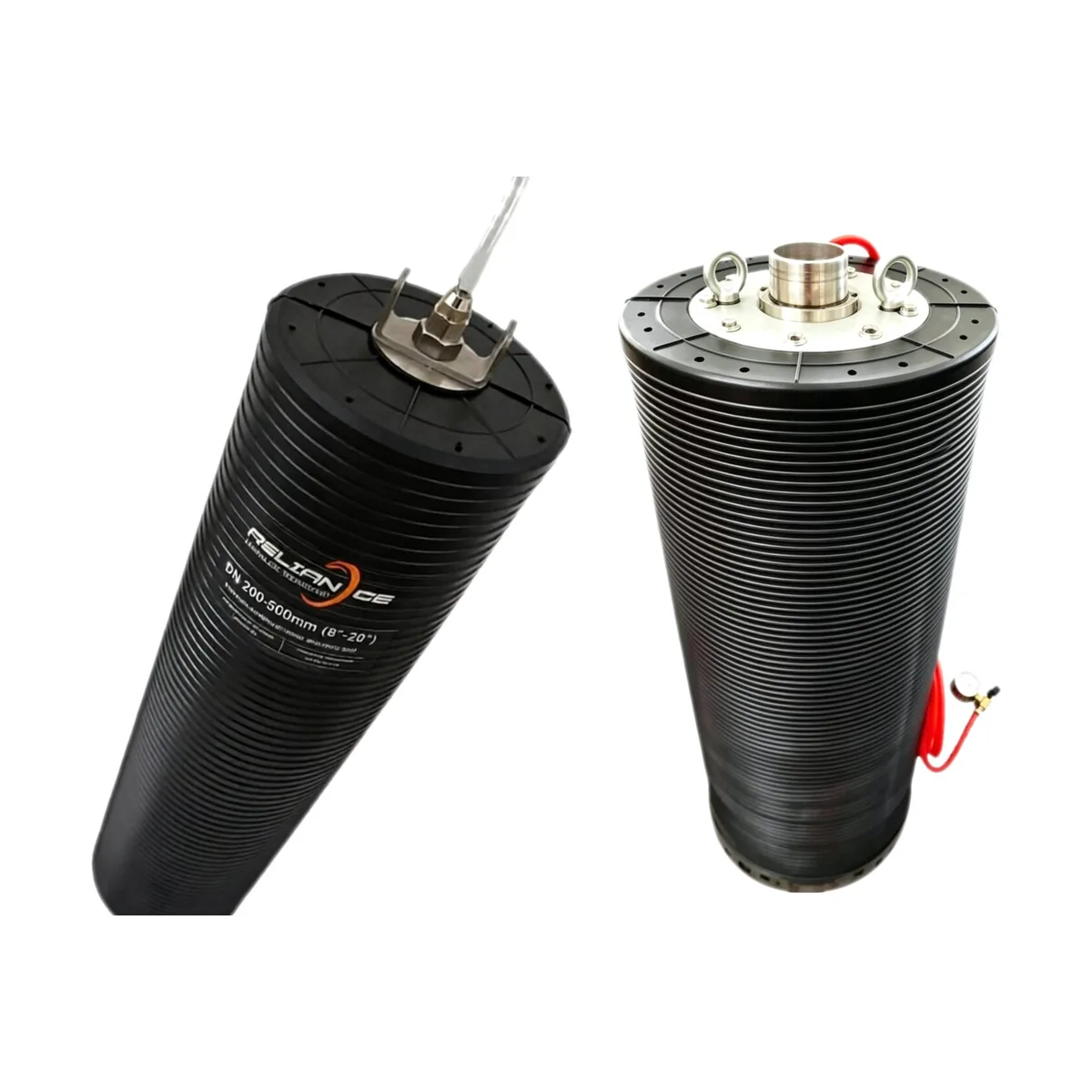
What Reliance pipe plugs are supplied to do
The multi-size pipe plug product page and brochure distinguish two configurations:
MS plugs without bypass: for the specified temporary closure arrangement.
MSBP plugs with bypass: with a passage through the plug for the specified flow or test connection. The port does not by itself establish the capacity of a complete bypass system.
A model such as MS 100-200 identifies a size range; it does not make every MS model suitable for the same pipe. Record the measured internal diameter and access dimensions before choosing a configuration. The brochure also lists a pressure gauge and air hose with each plug, and protective rubber sleeves separately. Confirm the supplied accessories and protection for the selected model.
Inflation pressure and back pressure describe different loads. Inflation pressure is inside the plug; back pressure acts on it from the pipeline. The brochure labels the latter “Max. Back (Sliding) Pressure.” A value from the inflation column must not be used as a back-pressure limit.
The brochure and Plugs & Packers spreadsheet contain differences: for MS 100-200, they list back pressure as 1.0 bar and 0.8 bar, respectively. These are conflicting published entries, not operating recommendations. Obtain a confirmed specification for the exact supplied configuration before selecting an operating limit.
For product-category context, see Reliance's pipe repair product overview. This first-party video supplements the product documents; it is not a complete installation or pressure-testing procedure. Continue with the inflatable pipe plug selection guide for the information to collect before selection.
What a repair packer supports
For a resin-and-fiberglass point repair, the packer positions and supports the uncured repair material. NASSCO's CIPP joint/spot-repair description explains this arrangement and identifies different curing methods. Do not turn a general description into a promise of bond strength, structural capacity, cure time or suitability for every defect.
The Reliance brochure, page 1, lists wheeled packers, bypass configurations and long lateral packers without wheels. Wheels and bypass are configuration choices, not universal features of every packer. Check the selected model, entry opening, bends and positioning method against the actual work area.
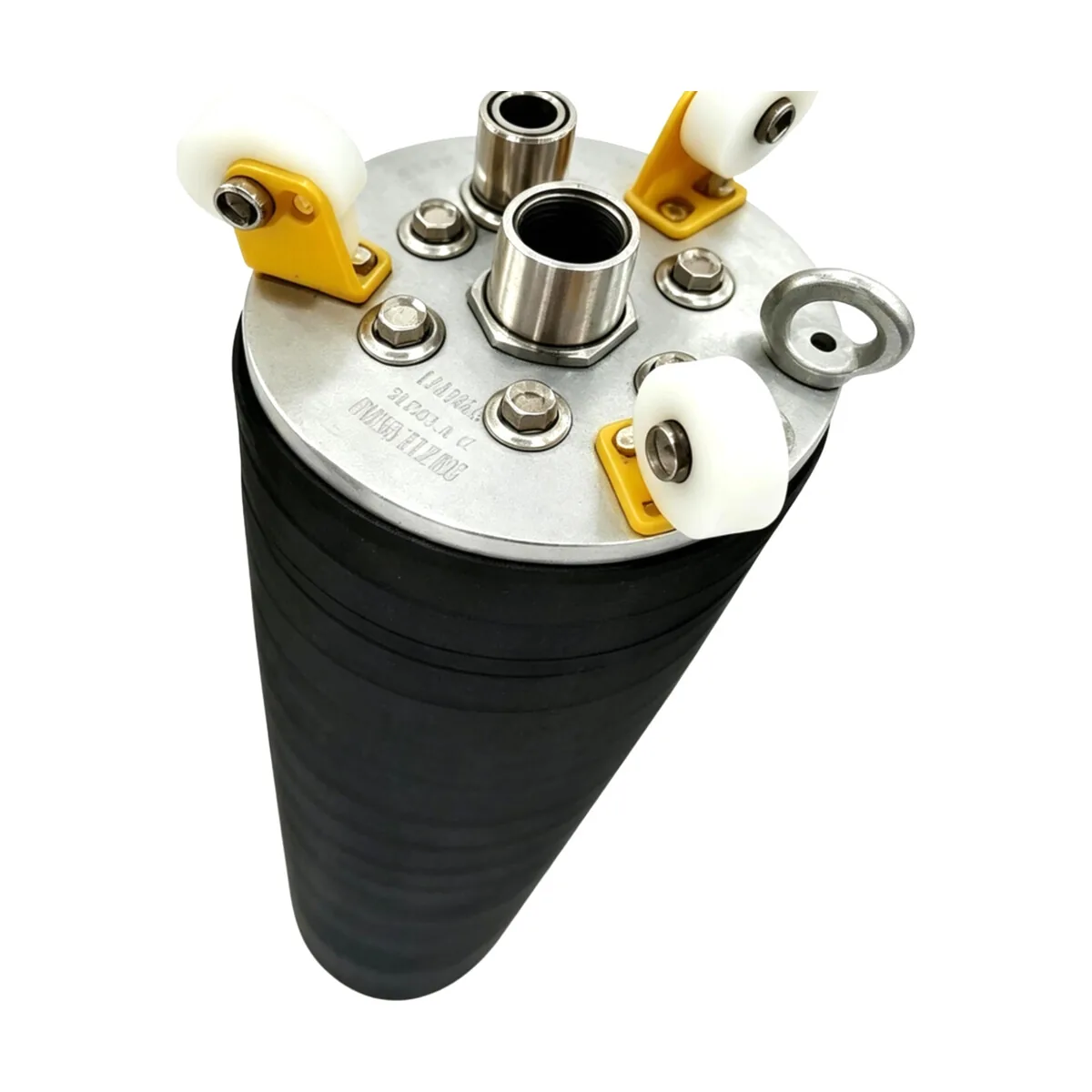
A bypass passage also needs a project-specific flow arrangement. Its presence alone does not establish that the sewer can remain in normal service during the repair. Confirm that arrangement with the repair procedure and selected equipment.
Catalogue length and usable repair coverage are separate selection inputs. The specification spreadsheet labels its dimension “Deflated Length”; this does not certify the length over which a particular patch can be supported. Request a drawing identifying the working area, end assemblies and required coverage.
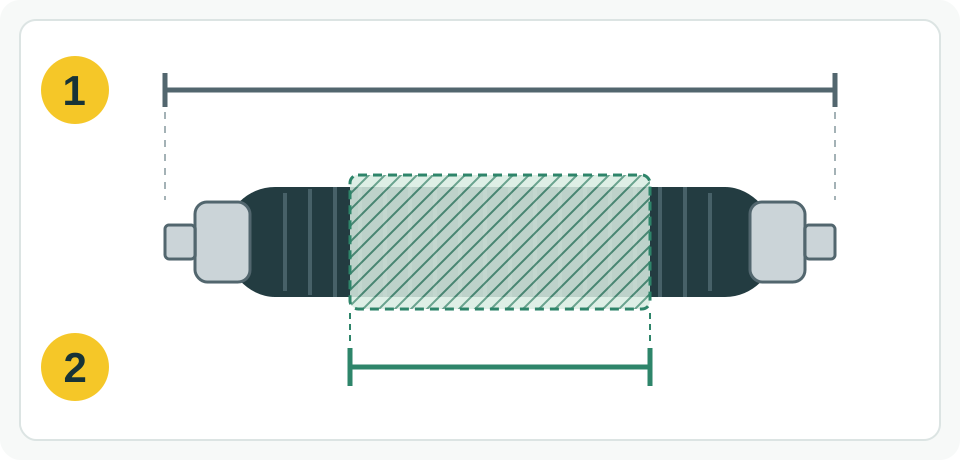
Reliance also lists a custom DN250–300 repair packer with bypass and wheels. Treat the named configuration as one product example. Order-specific dimensions and delivery claims do not establish specifications or lead times for the entire range. The repair packer selection guide expands on bore condition, access and repair coverage.
Pressure equipment needs its own work plan
The UK Health and Safety Executive's GS4: Safety requirements for pressure testing, fourth edition, paragraphs 7–11, explains the risks from stored energy and an unintended pressure release. This is general pressure-testing guidance, not a Reliance product rating or a complete sewer-work procedure.
For a pressure-test setup, GS4 paragraphs 27–35 call for a written safe system of work, suitable fittings, measures against over-pressurization, monitoring away from the test area, and a means of exhausting pressure and verifying nil pressure before entry into the danger zone. Paragraph 48 describes physical segregation and exclusion measures. These requirements are reasons to check the complete assembly and work method, rather than choosing by appearance or inflation pressure alone.
Compare the task before choosing a product
| Selection question | Multi-size pipe plug | Patch-installation repair packer |
|---|---|---|
| What is the intended task? | Temporary closure or a specified bypass/testing arrangement | Position and support a localized repair during curing |
| What happens after removal? | The temporary closure is removed | The cured repair remains in the pipe |
| Which configuration matters? | MS without bypass or MSBP with bypass; connections and accessories | Working area, end assemblies, wheels where fitted, and bypass where specified |
| Which dimensions are needed? | Measured internal diameter and access dimensions | Measured bore, defect/repair length, entry opening and access route |
| Which pressure information is needed? | Inflation limit and back-pressure limit as separate specifications | Model-specific inflation limit and the repair system's installation requirements |
| What needs confirmation? | Current specification, supply scope and complete flow/test arrangement | Usable repair coverage, positioning arrangement and compatibility with the repair system |
Prepare your project enquiry
Start with the task, then send the measured pipe bore, pipe material, access dimensions, flow conditions and relevant drawings or inspection records. For isolation, identify the expected upstream conditions and whether bypass is needed. For point repair, identify the defect location, required repair coverage and proposed repair system.
Use the multi-size pipe plug enquiry for an MS or MSBP selection, or the repair packer enquiry for localized repair equipment. Ask for the current specification and supply scope for the exact configuration. The contact form prepares an email draft for your review in your email application.
References and source documents
NASSCO — Pipe Rehabilitation: CIPP Joint/Spot Repairs and Mainline Grouting
Reliance Plugs brochure — repair packers (page 1) and multi-size plugs (page 2)
Reliance YouTube — pipe repair product overview (first-party category reference)
Reliance YouTube — custom DN250–300 repair packer with bypass and wheels (configuration example)
Further reading
Article
Does Every Joint in a Pipeline Need Sealing? Scoping Joint Repairs from Inspection Records
Buyer guide
How to Choose a Pipe Repair Packer
Buyer guide
How to Choose an Inflatable Pipe Plug