
Single-Size vs Multi-Size Pipe Plugs: Comparing Fit Ranges
Compare SS 600 and MS 500-1000 catalogue entries, measured pipe bore and access dimensions. Learn which fit and pressure details need confirmation.
By Reliance Trenchless Technology6 min read
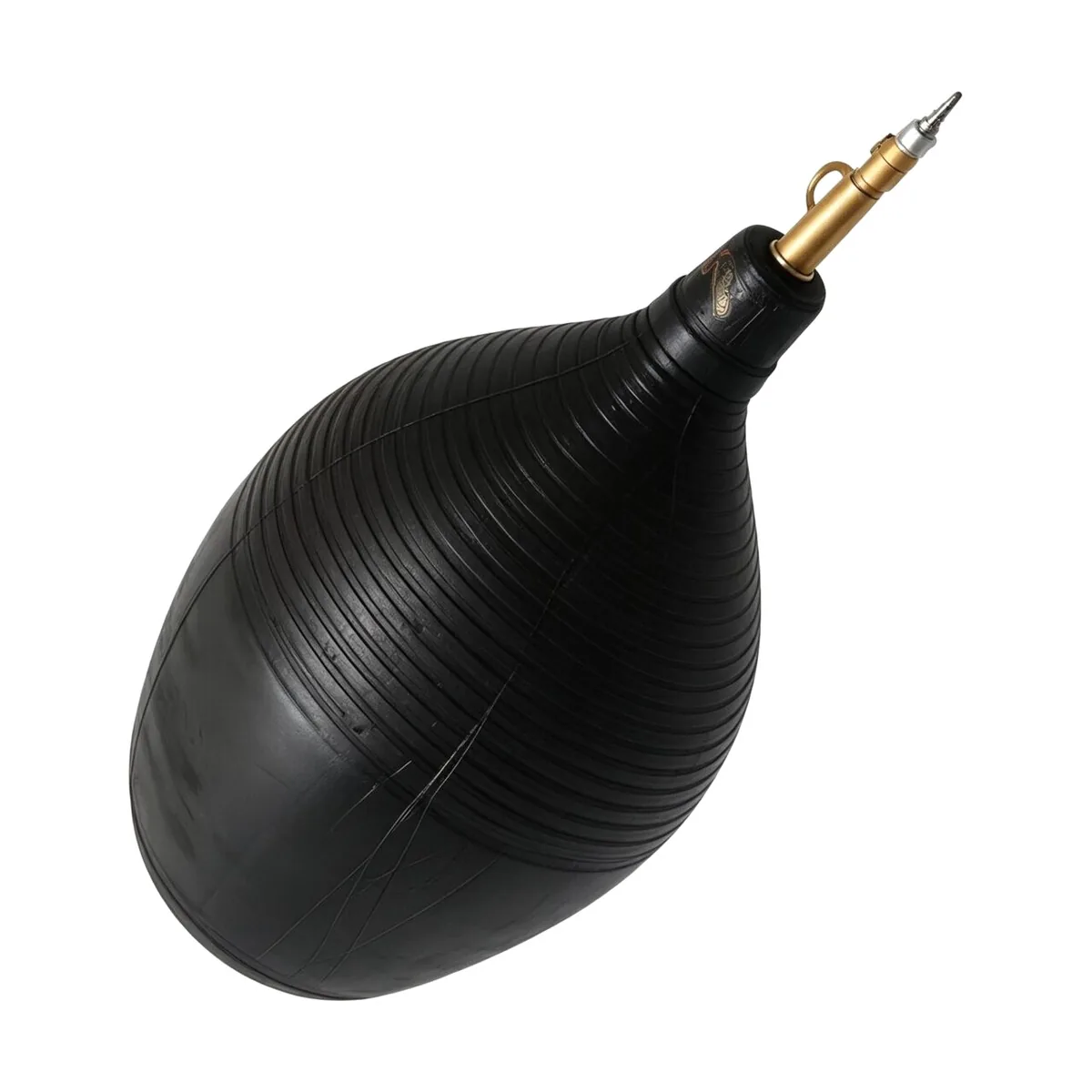
In Reliance's catalogue, a single-size pipe plug has one nominal-size entry, while a multi-size plug has a nominal-size interval. That distinction helps build a shortlist. The measured sealing bore, access route and confirmed limits of the individual model determine whether a candidate suits the job.
This comparison uses Reliance Single-Size Pipe Plugs and Multi-Size Pipe Plugs. It explains overlapping catalogue ranges and works through SS 600 and MS 500-1000 as a two-row example, rather than a complete shortlist for DN600.
Read model entries separately from the family range
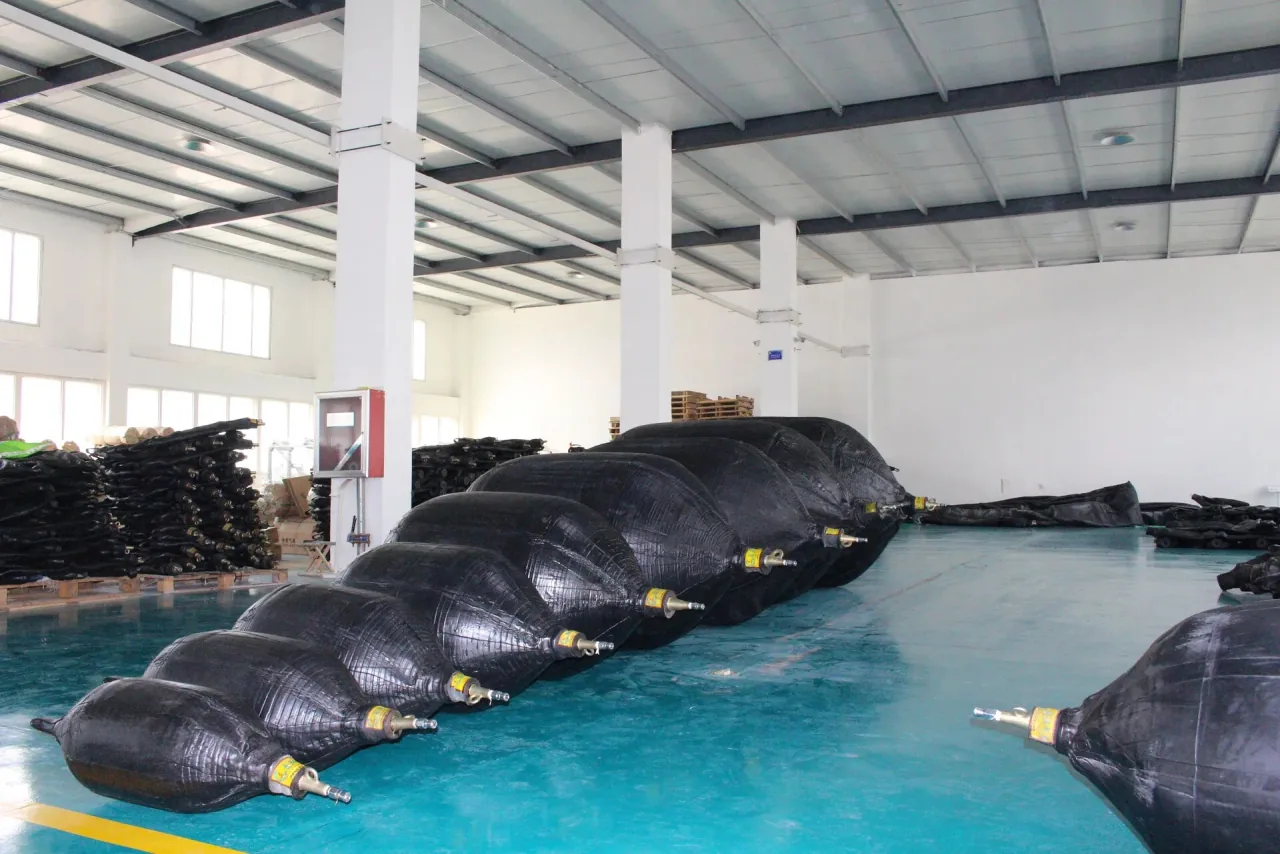
The Reliance brochure, page 1, describes the single-size family as a foldable rubber body reinforced with fibre and gives a family range of DN300–6000. The specification spreadsheet lists 18 SS model rows, from SS 300 to SS 4000, with gaps between some nominal sizes. The broader brochure range and the individual rows are different kinds of information: neither means that one single-size plug covers the whole family range.
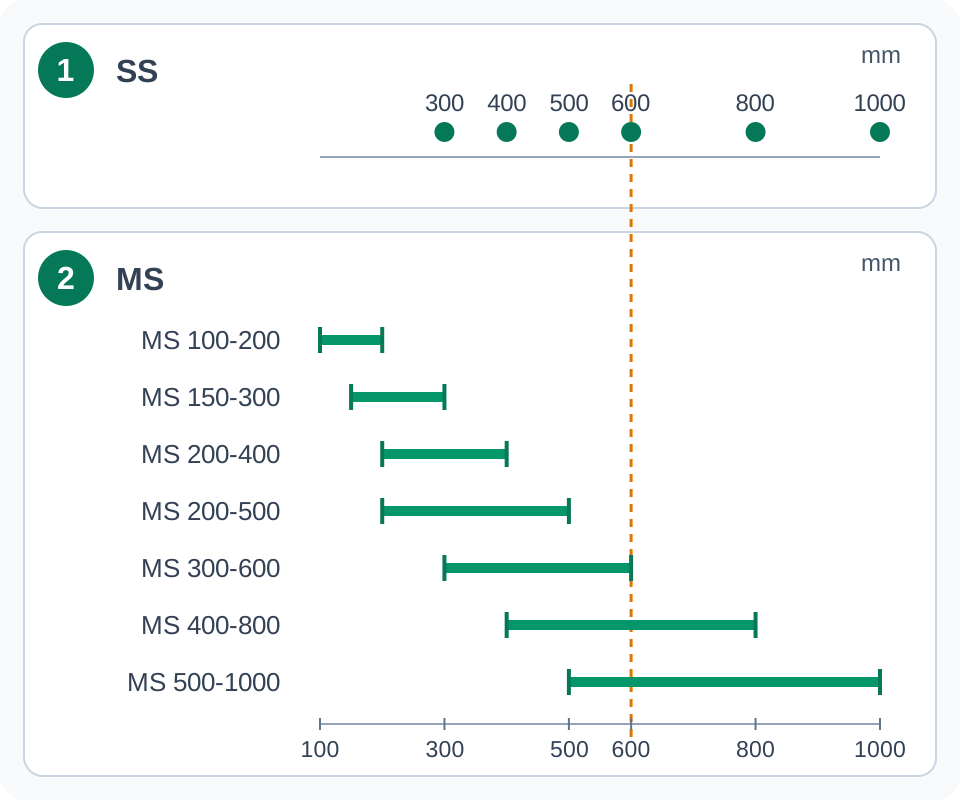
Multi-size model intervals overlap. In the spreadsheet, the nominal intervals for MS 300-600, MS 400-800 and MS 500-1000 all include the number 600. The brochure also lists MS 600-1200, which is absent from that spreadsheet. Ask which current models and configurations should be considered for the measured bore; the two models compared below are examples, not the only catalogue candidates. Sources: spreadsheet and its model rows, and brochure, page 2.
The brochure separates MS plugs without bypass from MSBP bypass plugs. Keep that distinction in an enquiry: a nominal-size comparison alone does not specify the required flow arrangement. The spreadsheet's MS table includes a diameter column, whereas its SS table does not; neither table supplies a complete folded assembly envelope. Brochure, page 2; spreadsheet table headings.
Compare the same column before comparing two models
The spreadsheet provides a useful worked example because both families have columns labelled Nominal Size and Deflated Length. The following values are transcribed from those columns, in millimetres.
| Model | Nominal Size column (mm) | Deflated Length column (mm) | What the row establishes |
|---|---|---|---|
| SS 600 | 600 | 1400 | One nominal-size entry and a deflated-length value |
| MS 500-1000 | 500–1000 | 1050 | A nominal-size interval and a deflated-length value |
In this example, SS 600 has a 350 mm greater Deflated Length. That is a comparison of the same spreadsheet field, not a measurement of folded width, clear entry space or usable sealing length. The brochure also gives 1050 mm for MS 500-1000, but labels that field Total Length of Product; retain the original heading when referring to each document. Spreadsheet; brochure, page 2.
There is a second heading difference worth resolving before ordering. The spreadsheet places 460 mm for MS 500-1000 under Min. Inner Dia., while the brochure calls the same value Product Diameter. Do not silently treat these labels as equivalent or turn 460 mm into an approved minimum sealing bore. Ask for the model drawing and a written clarification of the applicable bore range. Original spreadsheet heading; original brochure heading.
Keep nominal size, measured bore and access as three records
A useful enquiry separates the pipe's nominal designation, the measured bore and condition at the sealing position, and the opening and route through which the complete deflated assembly must pass. Include any protruding fittings and the configuration shown on the supplier's drawing.
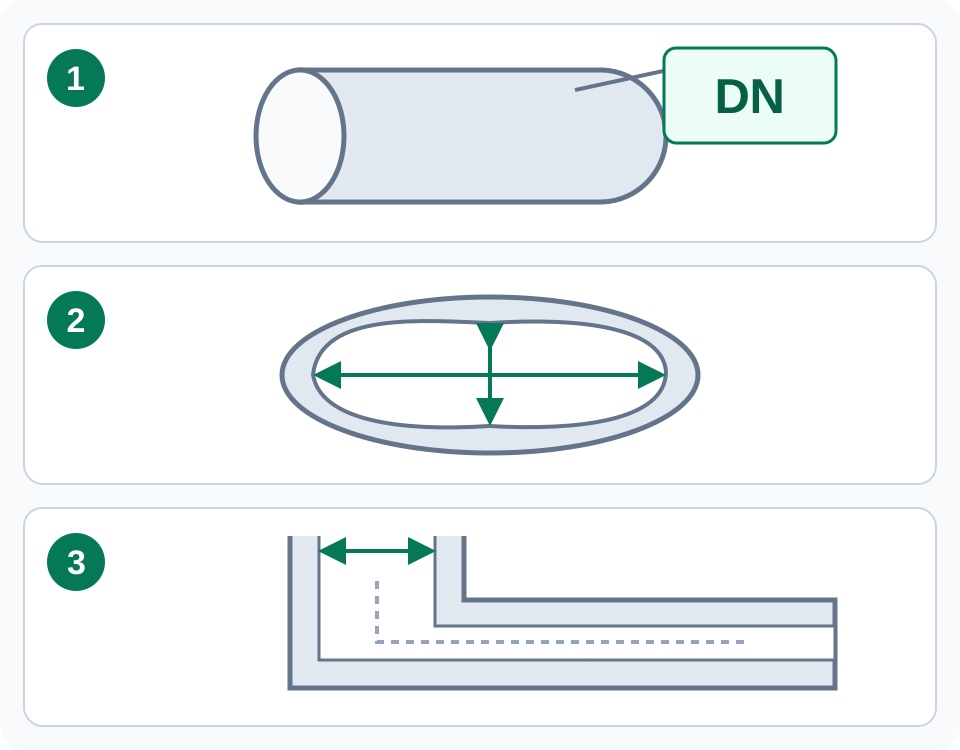
NASSCO's assessment overview describes CCTV condition assessment and more detailed dimensional inspection using laser and sonar, including diameter, ovality and offsets. It notes calibration and operator training as issues affecting confidence in laser-profiling data. For an enquiry, treat an ordinary CCTV image as condition information unless it is accompanied by a suitable dimensional survey. The inflatable pipe plug selection guide provides the wider measurement and enquiry checklist.
Compare the work your plug set needs to cover
Use the catalogue distinction to frame the purchasing discussion:
Repeated work at one nominal size: compare the relevant SS model with the MS intervals containing that nominal value. Confirm actual bore limits, access dimensions and the required configuration for each candidate.
Work across several nominal sizes: list the measured bores for the planned jobs, then ask which models cover those conditions. Overlapping MS intervals are a starting point for comparison; they do not establish that one plug replaces every other candidate.
Restricted access or bypass requirements: request the complete assembly dimensions and the specific flow arrangement. Compare these against the access survey and project requirements alongside the nominal-size entries.
This approach follows the selection principle in the UK HSE's PUWER overview: equipment should be suitable for its intended use, and selection should consider working conditions and risks. The guidance provides a UK context, not a product approval or a substitute for applicable local requirements.
Review pressure limits and equipment condition separately
The spreadsheet lists inflation pressure and maximum back pressure separately for SS and MS models; the brochure's separate pressure fields apply to its MS models on page 2. Request the current limits and instructions for each candidate, including the stated operating conditions. A diameter or length comparison cannot establish those limits. Spreadsheet; brochure, page 2.
UK HSE guidance GS4, paragraphs 7–11 and 27–35, discusses stored-energy hazards, a written safe system of work, and hoses and connectors suitable for the pressure and test medium. It supplies a general pressure-testing framework, not Reliance inflation settings, restraint design or a sewer-isolation procedure.
The UK HSE's work-equipment inspection guidance also links inspection needs and scope to risk, use, conditions and manufacturer recommendations. Where inspection is required, appropriate records matter; the guidance says records are not normally required for the simplest pre-use checks. Apply the relevant local requirements and the supplier's instructions to the actual plug set.
Send a comparison request that can be answered
For a single-size versus multi-size comparison, send:
The intended task and the pipe's nominal designation.
Measured bore values at the proposed sealing position, including known changes in shape or size.
Pipe material, condition and relevant survey records.
Access opening, route and available space for the complete assembly.
Whether flow must pass through the plug, and the project information needed to assess that arrangement.
Required operating conditions and the pressure or head information for supplier review.
The candidate model codes, documents being compared and any unresolved column definitions.
Ask Reliance to compare single-size candidates, or start with a multi-size plug enquiry. The Reliance product-overview video is an additional category introduction referenced by its title; model-fit conclusions in this article come from the cited documents, not reviewed video footage.
References and source documents
NASSCO — Assessment: CCTV, laser/sonar dimensional surveys, calibration and operator training
HSE — PUWER overview: suitability for intended use and working conditions (UK guidance)
HSE — GS4 Safety requirements for pressure testing, fourth edition (2012), paragraphs 7–11 and 27–35
Reliance single-size pipe plugs — catalogue photograph of different plug bodies
Further reading
Article
Pipe Plug vs Repair Packer: What Is the Difference?
Article
Does Every Pipeline Joint Need Sealing? Evidence for a Repair Scope
Buyer guide
How to Choose an Inflatable Pipe Plug