
Pipe Testing vs Temporary Isolation: Choosing the Plug Category
Compare pipe testing and temporary isolation, read TP model dimensions correctly, and check ASTM scope, connections and documents before selecting a plug.
By Reliance Trenchless Technology6 min read
Continue with AI
Bring this article into your own conversation.
Preferred Sources
Keep up with Reliance Trenchless on Google.
Availability depends on your account and region.
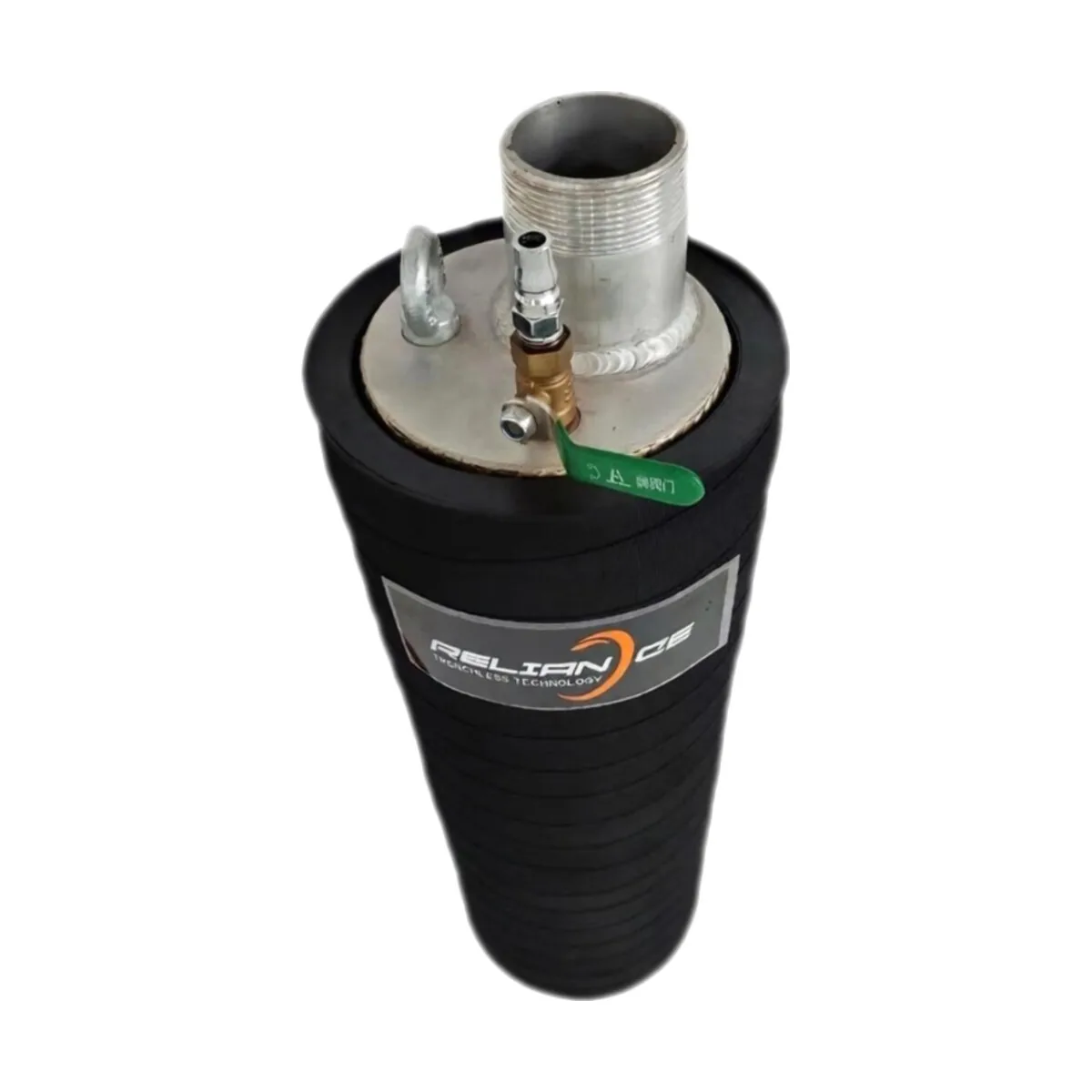
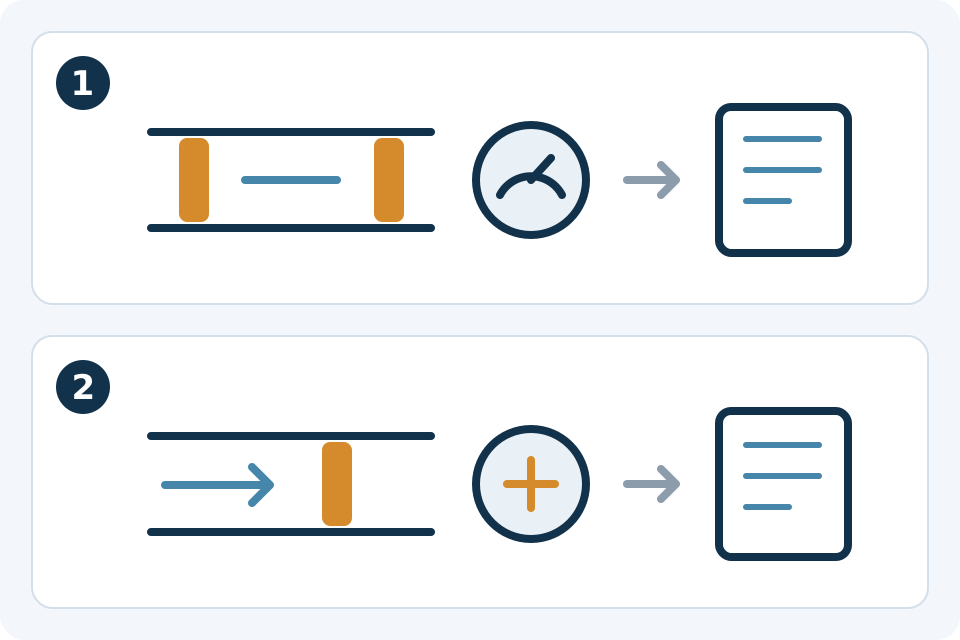
A municipal inspector may require a formal low-pressure air test on a newly laid or rehabilitated sewer line. An ordinary temporary blocking plug and an improvised air hose are not the equipment for that test. Temporary isolation and pipeline pressure testing are separate tasks. An isolation plug stops effluent flow. A specialized testing plug (such as the Reliance TP series) is a pressure-containment tool with metal through-passages, pressure monitoring ports and venting channels to feed test air or water into the sealed pipe while verifying pressure drop. ASTM F1417-25 illustrates this distinction by evaluating air loss from an isolated sewer section.
Reliance lists TP testing plugs separately from multi-size plugs in its brochure, page 2. Use that category distinction to request the right documents, then confirm the individual model and configuration.
Separate the task from the product name
A test enquiry should identify what is being assessed and how the result will be accepted. An isolation enquiry should describe the flow to be controlled and the conditions the plug will face. These are specification questions, not automatic approvals of either product category.
For pressure testing, UK HSE GS4, paragraphs 1, 5–6 identifies the assembly, test pressure and test medium as relevant to the work, and calls for risk assessment, written procedures, segregation and maintained connectors. The guidance concerns UK work-equipment safety; it does not certify Reliance products.
Match the test method to the pipe
Low-pressure air tests can produce puzzling or disputed results on site, and thermodynamics explains why. In Low-pressure air testing of gravity sewer pipelines: Thermodynamics and leak rate modeling, Broutman & Kienow (1988)0733-947X(1988)114:5(570)) (ASCE Journal of Transportation Engineering) developed the foundational thermodynamic models underlying standards like ASTM F1417. Broutman & Kienow demonstrated that when compressed air is pumped into a cool, damp subterranean pipe, adiabatic compression initially raises air temperature; subsequent heat transfer to the pipe walls and damp invert causes the trapped air to cool. Under the ideal gas law, every 1°C drop in internal air temperature produces an apparent pressure drop of approximately 0.35 kPa, which can easily trigger a false leak failure on an otherwise sound, airtight pipe. To prevent false failures, the study proved that testing assemblies must use dual ports: one bypass port for rapid bulk air introduction and relief, and a measurement port that lets the air charge reach temperature stabilization (typically 2 to 5 minutes) before the pressure-drop timer begins.
ASTM F1417-25, public Scope 1.1 and 1.4 covers low-pressure air testing of non-pressure plastic sewer lines. It describes constant-pressure and time-pressure-drop methods for finding air leakage. It is not a universal test specification for every pipe material or pressure pipeline.
Significance and Use 4.1–4.2 says air loss can indicate damaged piping or leaking joints, but must not be used as a quantitative measure of water infiltration or exfiltration under service conditions. This article uses the publicly accessible scope and significance text only; the full standard and its operating procedure have not been reviewed. Confirm the edition required by the project authority.
Read the TP model and description separately
Two rows in the original TP table show why the model designation alone is insufficient:
| Model | Dimension printed in the description |
|---|---|
| TP-DN150 | 100 mm / 4 in. |
| TP-DN200 | 160 mm / 6.3 in. |
Ask Reliance to identify what that dimension measures and confirm the fit against the actual pipe inside diameter and condition. The shared Plugs & Packers spreadsheet contains MS, SS and RP tables but no TP rows, so it cannot resolve this TP dimension question.
The brochure also lists working pressure and back pressure as separate fields. They are not a project test-pressure instruction. Keep the model document and the approved test method distinct; GS4 paragraphs 34–36 require suitable hose and connector ratings for the test pressure and medium, accessible manufacturer data and compatible components.
Check connections and the supplied configuration
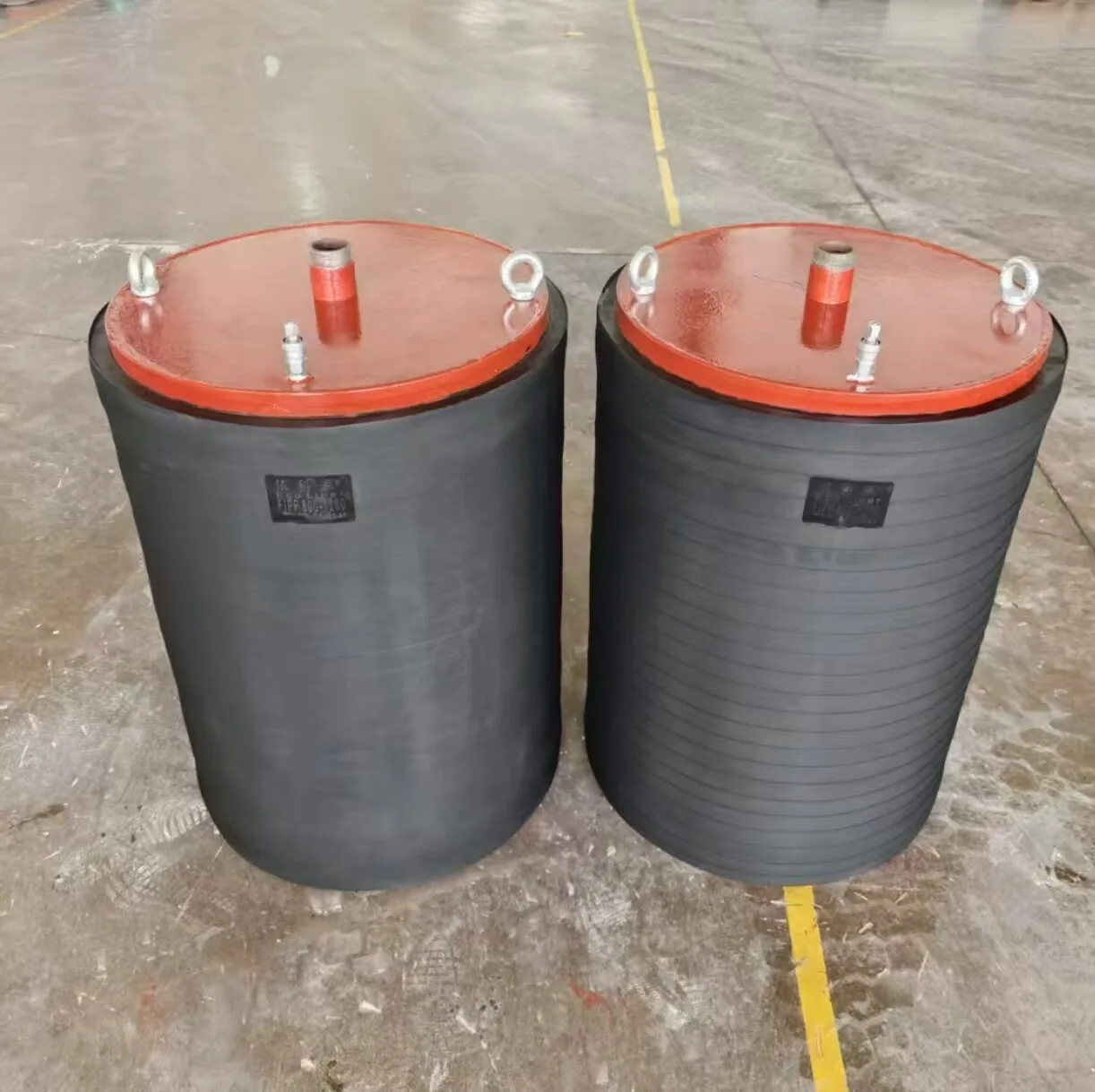
A visible connection is a prompt to request its specification. Confirm connection dimensions, mating parts and the supplied hose and gauge arrangement for the selected model. GS4 paragraphs 19–23 discuss connector deterioration and hose failure; the HSE inspection guidance bases inspection scope and intervals on risk and manufacturer recommendations. A catalogue photograph does not replace those records.
For a quotation, send:
The pipe material, measured inside diameter, condition and access details.
Whether the task is testing, isolation or both; for testing, include the method, edition, medium and project-specified pressure.
The requested TP model, connection drawing and accessory list, with the brochure dimension question explicitly marked for confirmation.
Use the pipe plug selection guide for the wider checklist, then request a testing-plug configuration review.
Frequently Asked Questions About Testing Plugs and Isolation Plugs
Can I use a temporary isolation plug for a low-pressure air test?
Do not treat the two tasks as interchangeable. The brochure, page 2 lists TP testing plugs and multi-size plugs as separate families, and the testing-plug page says that an isolation or bypass model should not be ordered for a pressure test. Send the test method, medium and project-specified pressure with the enquiry so that Reliance can check the configuration.
Does TP-DN150 tell me which pipe diameter the plug fits?
No. The brochure describes TP-DN150 with a dimension of 100 mm / 4 in., and it does not label that dimension as a supported pipe-diameter range. The shared Plugs & Packers spreadsheet contains MS, SS and RP tables but no TP rows, so it does not resolve the question either. Ask Reliance what the dimension measures and confirm the fit against the measured inside diameter and condition of the pipe.
Does ASTM F1417-25 cover every pipe test?
No. The public scope covers low-pressure air testing of non-pressure plastic sewer lines and describes constant-pressure and time-pressure-drop methods for finding air leakage. It is not a universal test specification for every pipe material or pressure pipeline. This article reviewed the public scope and significance text only, so confirm the edition that the project authority requires.
Can the working pressure in the brochure be used as the project test pressure?
No. Working pressure and back pressure are separate fields in the brochure, and they are not an instruction for a project test pressure. GS4, paragraphs 34–36 requires hose and connector ratings suitable for the test pressure and medium, accessible manufacturer data and compatible components. Use the approved test method and project pressure, then confirm the model data against them.
What should I include in a testing-plug enquiry?
Send the pipe material, measured inside diameter, condition and access details. State whether the task is testing, isolation or both; for testing, add the method, edition, medium and project-specified pressure. Include the requested TP model, connection drawing and accessory list, and mark the brochure dimension question for confirmation.
References and source documents
Further reading
Article
How a Pipe Plug Holds Back Sewer Head: Pressure, Area and Friction
Article
Pipe Leak and Break Repair: Joint Seal, Sleeve, Patch or CIPP?
Article
Inflatable Pipe Plug Names: A Quotation Checklist
Buyer guide
How to Choose an Inflatable Pipe Plug