Pipe Repair Kit: Matching Packers, Resin and Fiberglass
Build an itemized pipe repair kit enquiry: match the packer, fiberglass and resin, define accessory scope, and check temperature and repair boundaries.
By Reliance Trenchless Technology6 min read
Continue with AI
Bring this article into your own conversation.
Preferred Sources
Keep up with Reliance Trenchless on Google.
Availability depends on your account and region.
Ordering a trenchless "pipe repair kit" sounds simple, but an off-the-shelf box of parts can fail underground. A reliable pipe repair kit is an engineered, chemically matched system with three core elements: the repair packer, the structural fiberglass mat, and the specific resin formulation. If the resin sets too fast in summer heat before the packer reaches the crack, the assembly hardens in place. If the fiberglass weave does not match the pipe diameter, the patch can wrinkle or delaminate. A coordinated quotation matches every component to the defect, pipe bore and site temperature before the work starts. NASSCO’s CIPP Joint/Spot Repairs description explains this arrangement.
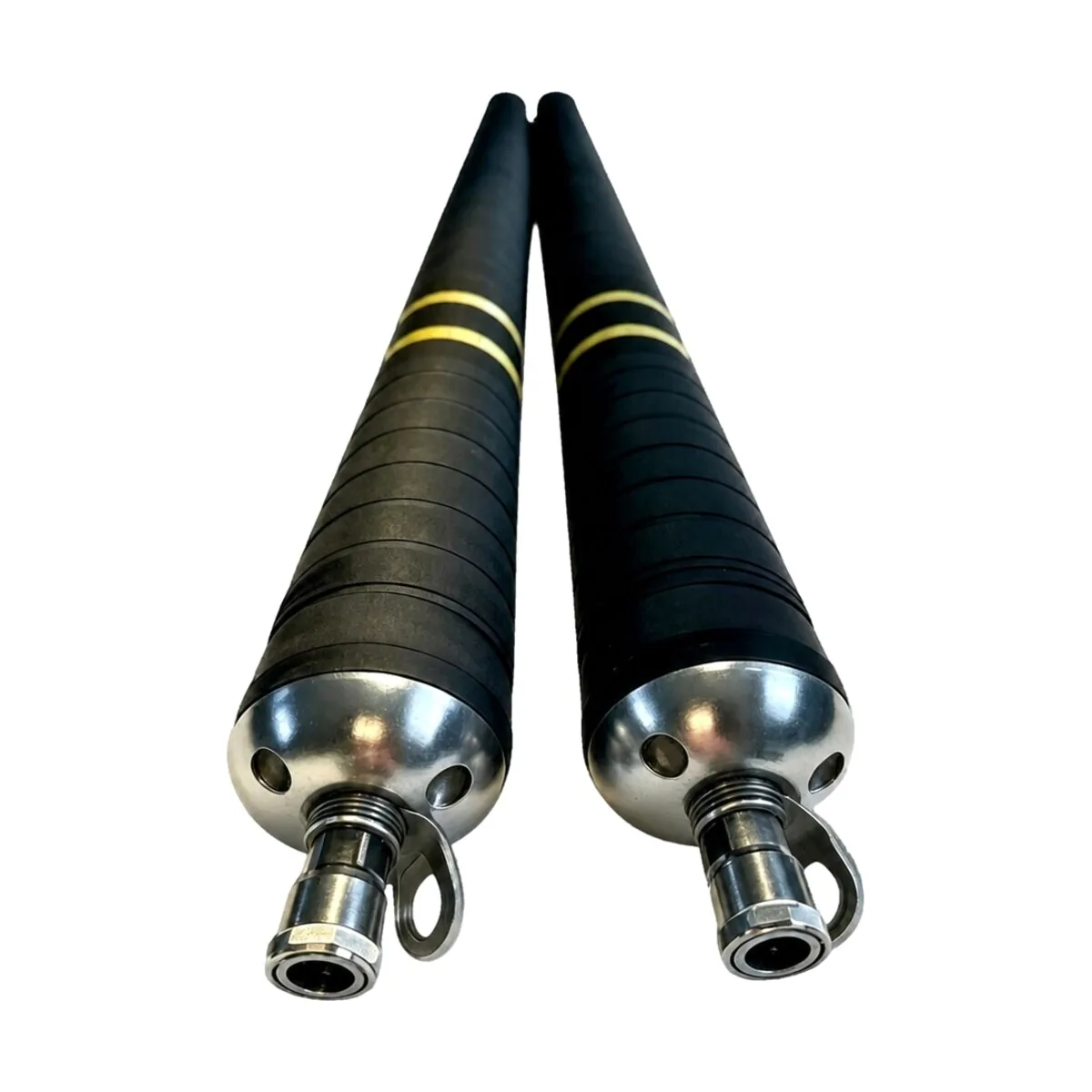
Begin with Reliance repair packers and the separate fiberglass and resin repair system. Their packer brochure and materials brochure describe different product components. Request an itemized combination; the phrase “kit” does not identify a fixed Reliance package.
What belongs in a repair-kit quotation?
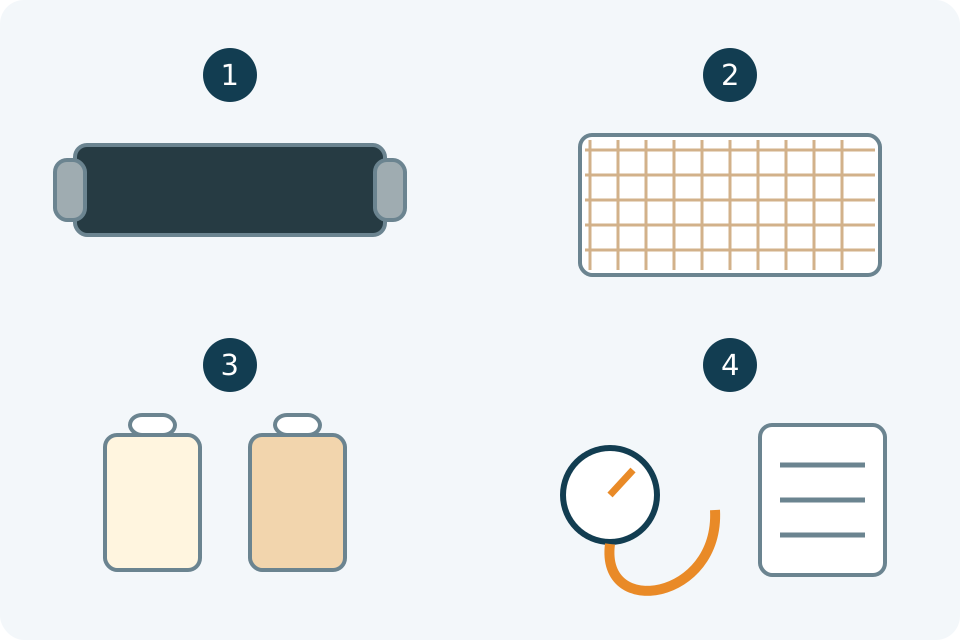
| Quotation line | Information to confirm |
|---|---|
| Pipe repair packer | Model, usable repair length, supported bore, access envelope and bypass configuration. |
| Resin system | Exact resin designation, component quantities, technical and safety data, and conditions for use. |
| Fiberglass reinforcement | Product code, construction, dimensions, quantity and the repair design it serves. |
| Accessories | Compatible inflation equipment, hoses, gauges, release protection and handling tools; specify who supplies each item. |
| Project work | Inspection, preparation, flow management, installation and acceptance; identify the responsible party and exclusions. |
“Patch repair packer” and “sewer repair packer” describe the intended use, but the model still needs to be selected. NASSCO describes resin-impregnated felt or fiberglass wrapped around an inflatable packer for local repairs. That general description does not establish compatibility between every packer and every resin. Source: NASSCO, CIPP Joint/Spot Repairs.
Match the tool to the repair boundary
The Reliance packer brochure, page 1 lists lateral packers without bypass and other packer configurations with bypass. Ask for the selected assembly's dimensions and usable repair zone rather than assuming the whole tool length becomes a patch.
The information needed starts with the pipe itself. NASSCO’s assessment guidance identifies structural condition, maintenance condition and physical dimensions as rehabilitation inputs; CCTV also locates connections and obstructions. Supply the defect location and affected length together with measured bore, bends, access and nearby connections. Use the repair packer selection guide to organize the request.
Specify fiberglass and resin together
For fiberglass pipe repair, “cloth and resin” is too broad a purchasing description. The Reliance materials brochure, page 2 lists EMK600/450, EMK800/300 and EMK800/450 reinforcement codes and a separate dosage table. Keep the code, repair geometry and quantity basis visible when requesting pipe patch repair materials.
That table is not proof of a universal number of repairs per kit. Confirm the proposed reinforcement, required repair dimensions, material allowance and resin quantity for the actual project. NASSCO describes several liner and curing systems; their settings cannot simply be exchanged. Source: NASSCO, CIPP and CIPP Joint/Spot Repairs.
Check temperature before selecting a resin version
Ambient and subterranean temperatures change resin chemistry. In Long-term chemical resistance and mechanical properties of silicate-based resin versus epoxy systems in trenchless point repair, Allouche et al. (2014) (Polymer Degradation and Stability) tested trenchless point-repair composites. Their data showed that organo-mineral silicate resins have low volumetric shrinkage (<0.5%, compared with 2%–3% for standard epoxies and up to 7% for polyesters) and good adhesion to damp concrete and clay surfaces. The same study found that silicate resins are sensitive to temperature: an increase in substrate and air temperature from 15°C to 30°C cuts the resin's open pot-life by over 55%. If crews in warm climates (such as Middle East summers) use a standard winter or express resin mix, the material can gel inside the pipe and lock the packer in place before inflation.
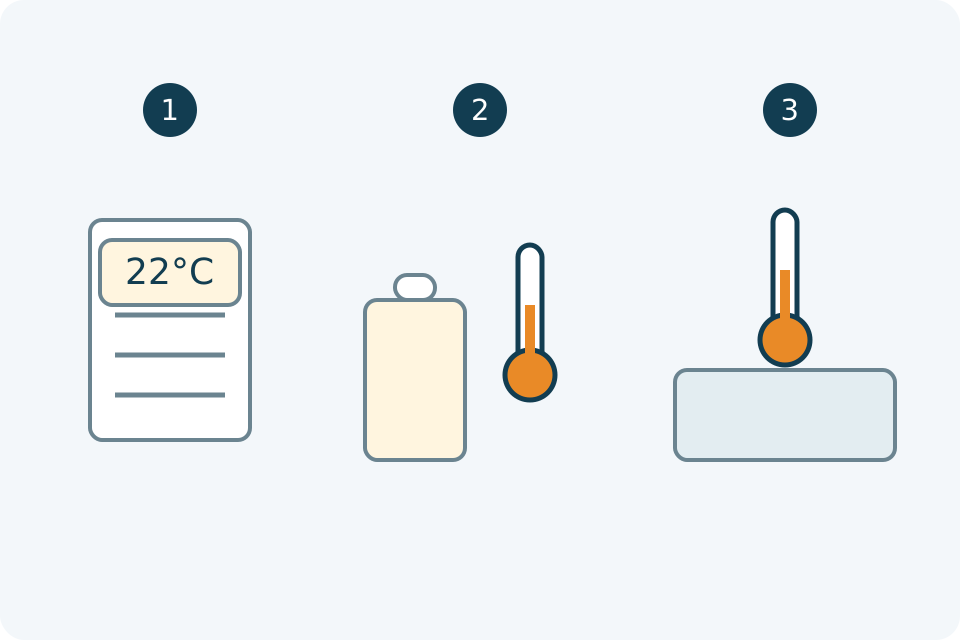
The materials brochure, page 1 presents SUMMER, WINTER and EXPRESS pot-life and curing-time entries at 22°C. Those conditions belong with the figures. A “summer” name does not by itself establish the available working time at a hotter site.
For delivery to Saudi Arabia, the UAE or another Middle East destination, provide the anticipated material, storage and working conditions and request current product-specific instructions. Confirm how the supplier defines working time, cure and return to service; do not replace those definitions with one generic “drying time.” The resin time guide helps frame these questions. No site-specific cure schedule is established by this article.
Frequently Asked Questions About Pipe Repair Kits
Does the word “kit” identify a fixed Reliance package?
The word “kit” does not identify a fixed Reliance package. The packer brochure and the materials brochure describe separate product components, so request an itemized combination. Mark each accessory as included, optional or supplied by the contractor, and agree the service scope separately.
Can the whole packer length be used as the repair patch?
No. The packer brochure, page 1 lists lateral packers without bypass and other packer configurations with bypass. Ask for the dimensions of the selected assembly and its usable repair zone. The tool length is not the patch length.
Which fiberglass reinforcement code should I request?
The materials brochure, page 2 lists the EMK600/450, EMK800/300 and EMK800/450 reinforcement codes with a separate dosage table. Give the code, the repair geometry and the quantity basis in the enquiry. The table does not prove a universal number of repairs per kit, so confirm the reinforcement, repair dimensions, material allowance and resin quantity for the project.
Does the SUMMER resin version give more working time on a hot site?
The brochure's SUMMER, WINTER and EXPRESS pot-life and curing-time entries are stated at 22°C. A “summer” name does not by itself establish the working time available at a hotter site. Provide the anticipated material, storage and working conditions and request current product-specific instructions. Confirm how the supplier defines working time, cure and return to service.
Does a local repair kit include the system for full-length lining?
Do not assume that it does. NASSCO distinguishes localized CIPP repairs from longer lining runs. A local pipe repair kit does not automatically include the complete installation and curing system for full-length lining. Send the CCTV findings, measured bore, repair length, access route and flow conditions with the proposed components so the scope can be checked.
Send one coordinated scope for review
Include the CCTV findings, pipe material and measured bore, repair length, access route, flow conditions, proposed packer, reinforcement code, resin designation, temperature conditions and required quantities. Mark each accessory as included, optional or supplied by the contractor.
NASSCO distinguishes localized CIPP repairs from longer lining runs. A local pipe repair kit should therefore not be assumed to include the complete installation and curing system for full-length lining. Source: NASSCO, Mainline CIPP.
Use the point-repair equipment checklist, then request a coordinated packer configuration. Reliance's documented products support a supply discussion; installation services, design responsibility and final acceptance require their own agreed scope.
References and source documents
Further reading
Article
How a Pipe Plug Holds Back Sewer Head: Pressure, Area and Friction
Article
Pipe Leak and Break Repair: Joint Seal, Sleeve, Patch or CIPP?
Article
Inflatable Pipe Plug Names: A Quotation Checklist
Buyer guide
How to Choose a Pipe Repair Packer
Buyer guide
Pipe Repair Resin: Pot Life, Setting and Cure Time
Buyer guide
Point Repair Equipment Checklist