Specifying Trenchless Pipe Rehabilitation: ASTM vs GCC Requirements
Specify chemical CIPP liners for long runs in temperate zones and 316L stainless mechanical sleeves for Gulf summer heat (>45°C) and saline coastal aquifers.
By Reliance Trenchless Technology11 min read
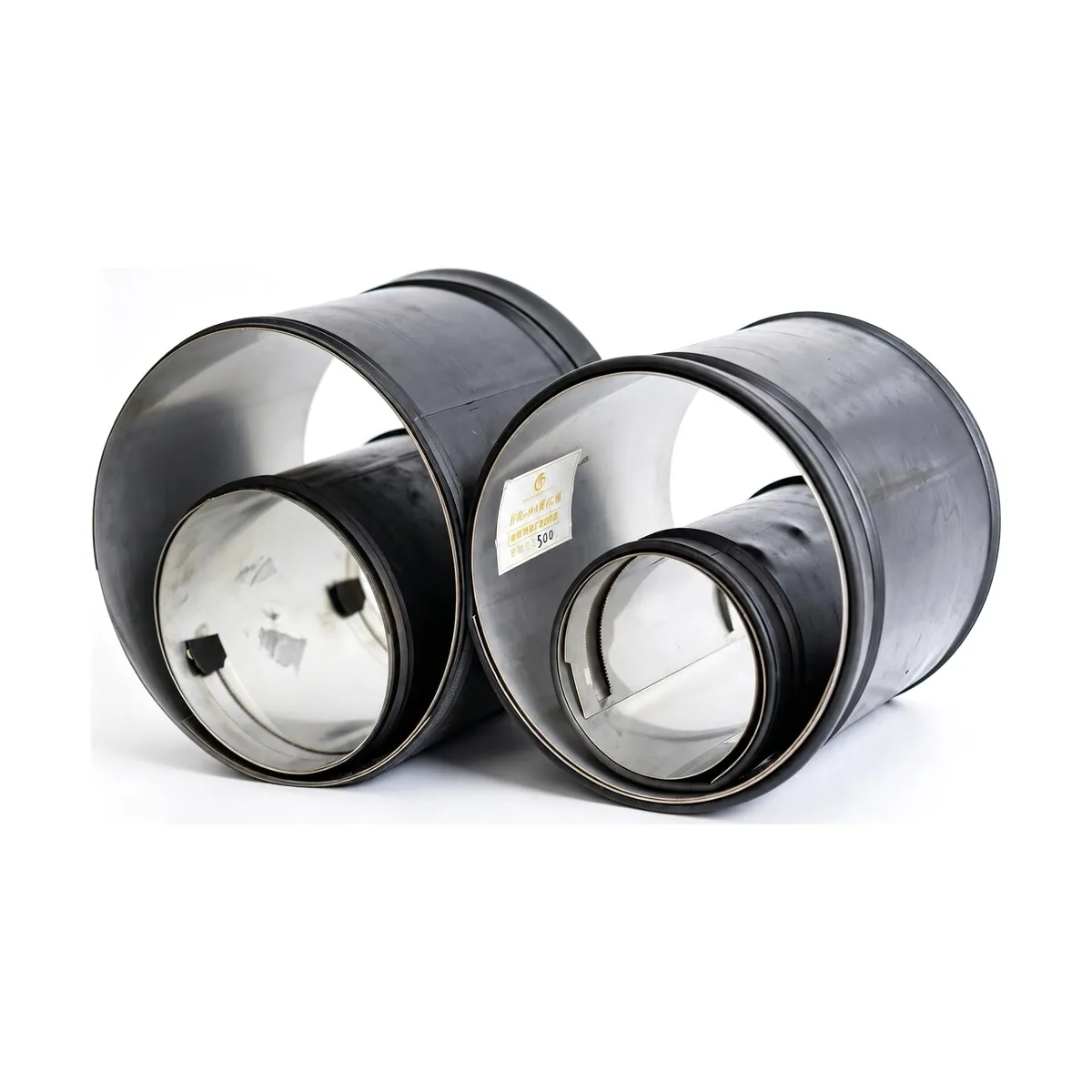
Municipal utility owners, engineering procurement and construction (EPC) contractors, and consulting engineers specify Instant-Lock 316L stainless steel repair sleeves for localized sewer defects under ambient heat above 45°C, active groundwater infiltration, or saline coastal soil, and specify cured-in-place pipe (CIPP) lining systems for continuous deterioration over 50 m in temperate climates. North American and Western European tenders generally require compliance with ASTM F1216-24 and ASTM F3110-14(2024), zero-VOC limits, and minimal traffic disruption in dense urban rights-of-way. Projects in Dubai, Abu Dhabi, Saudi Arabia, and the wider Gulf Cooperation Council (GCC) region face ambient surface heat above 50°C, gravity sewers from DN800 to DN2000+, coastal groundwater with chloride levels matching or exceeding the open sea, and prequalification dossiers written against Dubai Municipality, DEWA, and NWC specifications.
A specification that holds up in both markets starts with the measured defect and host pipe, the ground and service chemistry, and the authority's own submittal list. Choosing a liner or sleeve without those records causes site failures. In a temperate Western project, an unverified chemical liner brings styrene leaching violations, permit delays, and the cost of bypass pumping the sewer with high-pressure inflatable flow-stop plugs. In the Arabian Gulf, a standard ambient-cure CIPP resin used in summer cross-links inside the transport reach within 6 to 8 minutes, before the packer reaches the defect, causing a "packer freeze".
The regional standards, thermal limits, and groundwater chemistry below govern when to specify CIPP liners, inflatable bypass plugs, or cold-mechanical 316L stainless steel sleeves across North American urban corridors and Gulf coastal aquifers.
See also the short video explainer on these submittal documents: Enterprise Trenchless Pipe Lining: The Four Records.
ASTM and GCC municipal specifications
A submittal is judged against the local authority's specification and against the international material standards that the specification names.
| Regulatory & Technical Parameter | North American & Western European Market | Dubai, UAE & GCC Municipal Market |
|---|---|---|
| Governing Pipeline Standards | ASTM F1216 (Inversion CIPP), ASTM F1743, ASTM F3110 (Mechanical Sleeves), EN 13566 | ISO 11296-4, WIS 4-32-08, SASO, Dubai Municipality Standard Spec Section 02730 |
| Prequalification Dossier Focus | NASSCO PACP inspection codes, 50-year structural design calculations, VOC/styrene environmental testing | Approved Vendor List (AVL) compliance, EN 10204 3.1 mill test certificates, high-temperature elastomeric testing |
| Primary Project Objective | Extending asset life by 50 years with zero open-cut excavation and minimal traffic disturbance | Protecting deep, critical utility networks under aggressive biogenic and hypersaline soil attack |
| Procurement Channel | Direct-to-contractor ordering, regional distributor networks | International competitive tender, regional bonded warehousing, factory-direct technical submittals |
In North America, design engineers use ASTM F1216 Appendix X1 to calculate the required structural liner wall thickness () for a partially or fully deteriorated host pipe:
is the outside pipe diameter, the long-term flexural modulus of elasticity (50-year creep value), Poisson's ratio, the safety factor (typically 2.0), and the total groundwater plus soil surcharge pressure.
In the GCC, structural thickness formulas come from ISO 11296-4. Dubai Municipality (DM), Abu Dhabi Sustainable Water Solutions (SWS), Saudi Arabia's National Water Company (NWC), and Qatar's Ashghal concentrate their review on material provenance, factory proof-testing, and chemical resistance testing at high temperature.
Temperature limits for chemical resin systems
Ambient and ground temperatures set the working limits of every chemical resin system.
Packer freeze in Gulf summer work
In the UAE and Saudi Arabia, daytime ambient temperatures in summer run between 45°C and 52°C. Ground temperature at shallow pipe inverts, 1 to 2 meters down, stays between 32°C and 38°C. At those temperatures the cure reaction of standard ambient-curing silicate or epoxy resins accelerates according to the Arrhenius rate equation:
In a climate-controlled Western European warehouse at 20°C, a standard silicate patch resin gives a workable pot life of 30 to 35 minutes.
On a jobsite in Dubai or Riyadh at 45°C, the same resin's pot life falls to 6 to 8 minutes.
If a winch snags or the camera alignment is delayed inside a deep manhole, the resin reaches its exothermic transition while the repair packer is still moving. The resin then hardens around the packer bladder and fixes the pneumatic tool to the host pipe wall. Clearing a packer freeze needs emergency robotic diamond-head milling or open-cut pavement excavation, and the recovery results in municipal fines and liquidated damages.
Mechanical sleeves at high ambient temperature
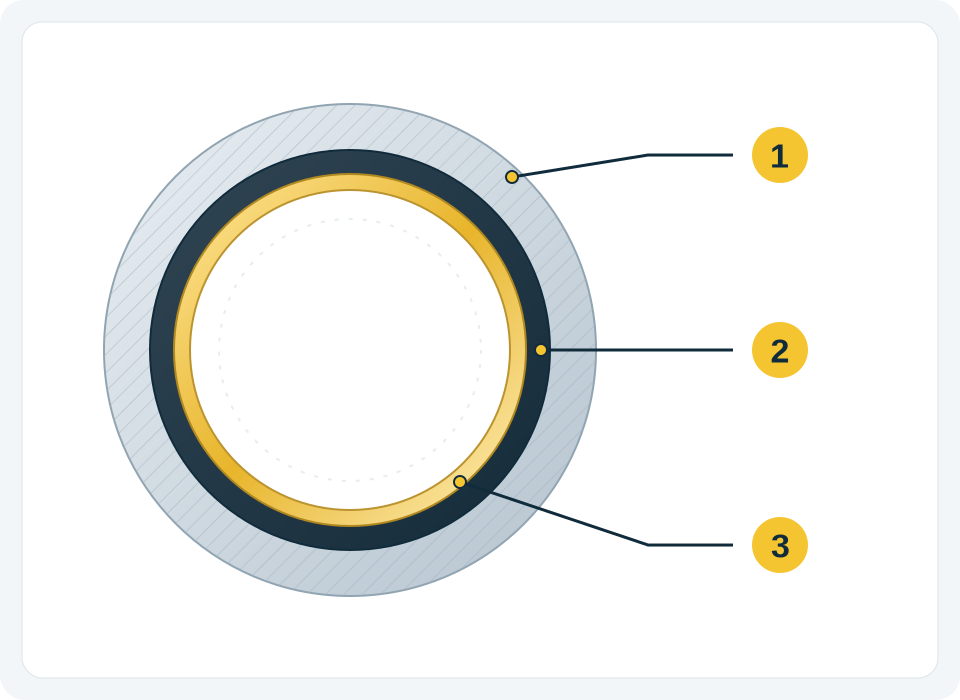
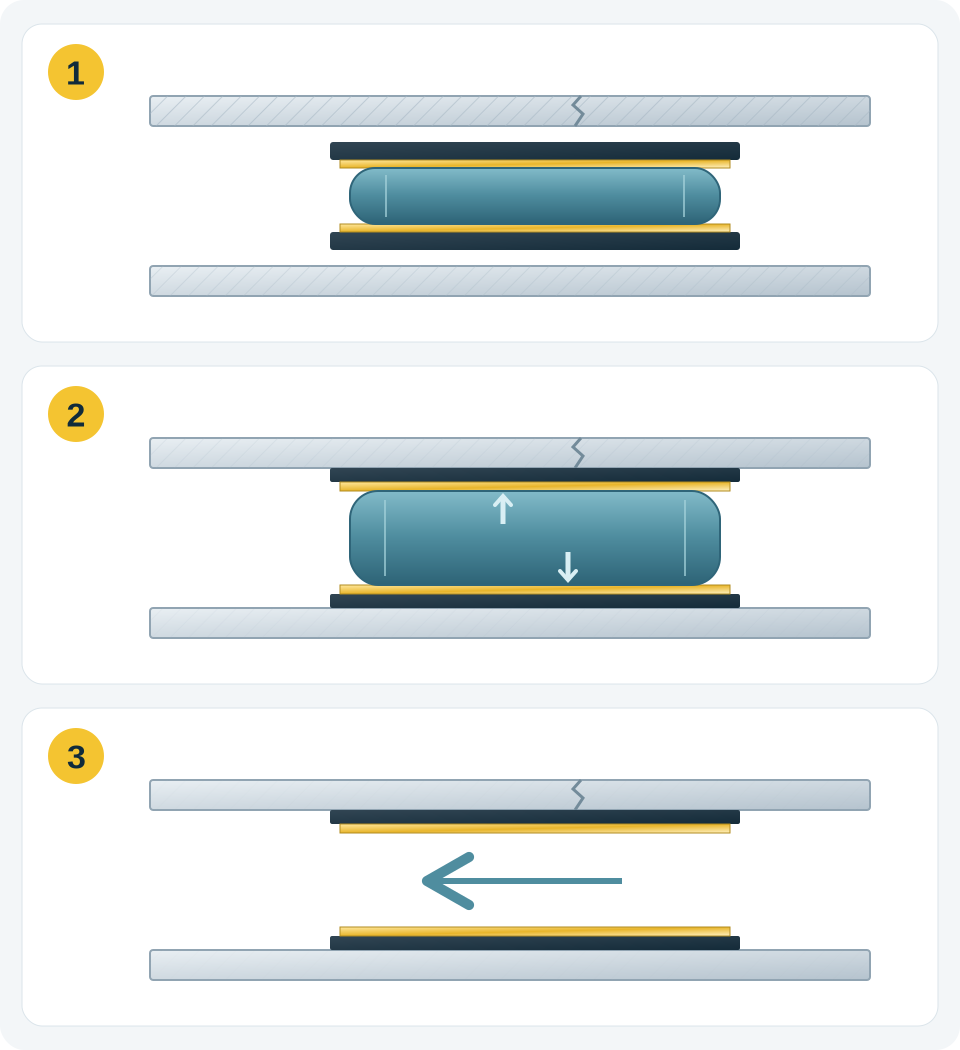
EPC contractors working in hot climates use Instant-Lock mechanical repair sleeves to avoid the curing step. The sleeve is cold-formed 316L (1.4404) stainless steel with a vulcanized, peroxide-cured EPDM rubber jacket.
No chemical components. The sleeve contains no resin, no hardener and no curing agent.
The lock does not depend on temperature. The ratchet latch locks the same way at -10°C in a Canadian winter and at +50°C in an Abu Dhabi summer.
Immediate flow restoration. Once the packer expands the sleeve and the locking teeth engage, the tool is deflated and withdrawn. The cycle takes 25 to 30 minutes, and gravity flow resumes as the packer comes out.
Groundwater chemistry and corrosion
Groundwater aggressiveness differs between temperate regions and Gulf coastal ground.
Hypersaline groundwater in GCC coastal aquifers
In coastal developments across Dubai (Palm Jumeirah, Dubai South, Jebel Ali), Abu Dhabi (Al Maryah, Yas Island), and Dammam (Eastern Province, KSA), the water table sits within 1.0 to 2.5 meters of the surface. The groundwater there contains total dissolved solids (TDS) above 35,000 ppm and chloride ion () concentrations that often exceed 18,000 to 22,000 mg/L, matching or exceeding open ocean seawater.
A generic supplier ships repair sleeves in commercial Grade 304 (1.4301) stainless steel, which has a Pitting Resistance Equivalent Number (PREN) of about 18.0. In warm, chloride-rich groundwater, pitting and crevice corrosion perforate a 1.5 mm shell of that grade within 18 to 36 months.
Reliance Instant-Lock Small and Instant-Lock Large sleeves are made from Grade 316L (1.4404) austenitic stainless steel with a minimum molybdenum content of 2.0% to 2.5%, which gives a PREN of . Every production heat is verified by EN 10204 Type 3.1 inspection certificates that record the chemical composition and the tensile mechanical properties.
Groundwater head in deep trunk mains
In the larger GCC cities, municipal drainage and deep sewer tunnels such as the Dubai Strategic Sewerage Tunnel and the Abu Dhabi STEP system run at depths of 8 to 25 meters. The external groundwater head sets the hydrostatic pressure ().
An internal sleeve that stays watertight under that head needs enough sound pipe on each side of the defect. As the guide on calculating defect coverage from sleeve length and rubber width sets out, the outer EPDM sealing lips should land on at least 50 mm to 75 mm of sound, unspalled host pipe wall on either side of the crack, so the elastomer is not extruded under the external water pressure.
CIPP, UV-CIPP or mechanical sleeves
The choice depends on the defect geometry, the traffic sensitivity, the ambient temperature, and the project scale.
| Selection Criteria | Continuous CIPP Inversion (ASTM F1216) | UV-Curable Glass Fiber CIPP | Mechanical Stainless Sleeves (Instant-Lock) |
|---|---|---|---|
| Typical Pipe Diameter Range | DN100 to DN1200 (4" to 48") | DN150 to DN1600 (6" to 64") | DN150 to DN2000+ (6" to 80"+) |
| Defect Extent Supported | Continuous long-run degradation () | Continuous long-run degradation () | Localized point defects ( per sleeve) |
| Installation Footprint | Large: boiler truck, inversion tower, water pump | Medium: UV light train, winch, cable control rig | Minimal: compressor, air control unit, packer |
| Mainline Downtime / Cycle Time | 4 to 12 hours (water/steam cure cycle) | 2 to 6 hours (UV light-train traversal) | 25 to 35 minutes (instant mechanical lock) |
| Sensitivity to Running Infiltration | Severe: water washes out resin before cross-linking | Moderate: pre-liners required to shield UV matrix | Zero: EPDM gasket seals immediately on lock |
| Tolerance to Ambient Heat () | Poor: high risk of premature polymerization | Good: photoinitiators remain stable until UV exposure | Immune: 100% mechanical elastomeric expansion |
| Environmental & VOC Profile | Styrene emissions require active site scrubbers | Zero styrene leaching and enclosed glass matrix | 100% Eco-friendly: zero chemicals, zero VOCs |
Sourcing and prequalification
EPC contractors in North America and the Middle East have bought through regional trading houses, territorial brand distributors, and export agents. A multi-tier supply chain inflates material costs and delays delivery:
Markup escalation. Intermediate distributor margins add 30% to 50% to the material cost.
Shipping delay. European and North American brand orders commonly spend 8 to 12 weeks in maritime freight, which leaves the contractor exposed to municipal penalties for a late road opening.
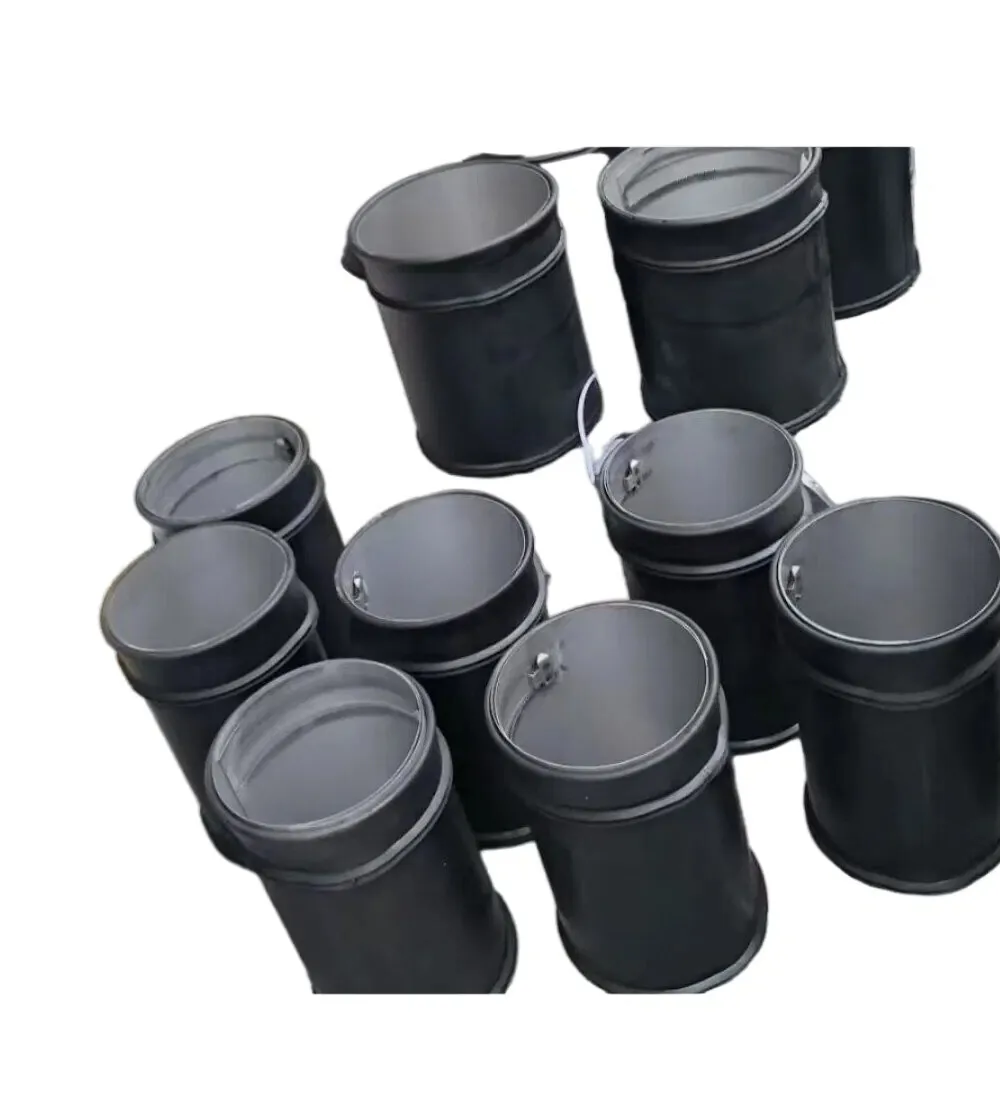
Reliance supplies direct from the factory to the contractor, removing intermediary markups and maritime transit delays:
Prequalification dossiers. Technical submittal dossiers are assembled for municipal authorities, including third-party hydrostatic pressure testing logs, finite element (FEA) buckling analysis under 10 meters of groundwater head, and EN 10204 3.1 metallurgical certificates.
Dubai stock. Gulf contractors draw on regional inventory at the warehouse in Dubai Industrial City (DIC). Standard multi-size pipe plugs (DN50–DN1200) and Instant-Lock sleeves (DN150–DN600) are dispatched the same day across the UAE, and within 24 to 48 hours to jobsites in Saudi Arabia (Riyadh, Dammam, Jeddah), Qatar, and Oman.
Export documentation. Shipments to North American and European projects include ASTM and EN testing documentation, use heat-treated ISPM-15 export timber crating, and come with direct engineering video consultations.
Submittal checklist
Before a purchase order or a material submittal goes into a trenchless rehabilitation tender, verify these inspection and certification records:
Host pipe inspection documentation. CCTV logs record the measured internal diameter, the measured ovality, and the length of sound landing pipe (). The CCTV pre-repair checklist lists the records to keep.
Metallurgical certification for sleeves and seals. Grade 316L (1.4404) stainless steel comes with the original EN 10204 Type 3.1 mill sheets, which state molybdenum and PREN .
Elastomer certification. Rubber sealing jackets or plug bladders comply with EN 681-1, with an accelerated high-temperature compression set below 20%, so that ground heat does not relax the seal.
Thermal window for CIPP. In a hot climate, the resin supplier publishes Arrhenius pot-life curves at 40°C and 45°C, or the project uses cold-mechanical sleeves instead.
Tooling compatibility. Site repair packers and bypass test plugs have enough contact length and a certified pressure rating to expand a sleeve or to isolate flow.
To request a prequalification submittal package, CAD dimensional drawings, or factory-direct pricing, send the project schedule through the municipal engineering portal.
FAQ: Trenchless Pipe Rehabilitation
How do Reliance Instant-Lock mechanical sleeves comply with ASTM and European standards?
Reliance Instant-Lock sleeves are designed in accordance with ASTM F3110-14(2024) for mechanical point repair sleeves with locking gear mechanisms. The structural shells are fabricated from certified 316L (1.4404) stainless steel with EN 10204 Type 3.1 mill test certificates, and the elastomeric jackets are molded from virgin, peroxide-cured EPDM compliant with EN 681-1 for water and drainage applications.
Why are mechanical sleeves preferred over chemical CIPP patches in Dubai and Saudi Arabia summer work?
In Gulf summer conditions, where ambient surface temperatures reach 45°C to 50°C, chemical CIPP resins lose pot life down to 6–8 minutes, which creates a high risk of premature exothermic curing ("packer freeze") before the equipment reaches the target pipe defect. Mechanical sleeves contain no chemical resins, are 100% temperature-independent, and lock on pneumatic expansion without thermal curing risk.
What is the maximum groundwater head () an internal mechanical repair sleeve can seal against?
When expanded inside a circular host pipe with less than 2% ovality and sound pipe landing margins (), Reliance Instant-Lock sleeves compress the molded EN 681-1 EPDM gasket by 35% to 45%, and achieve certified internal and external hydrostatic pressure containment up to 1.5 to 2.5 bar (equivalent to 15 to 25 meters of hydrostatic water head).
Can Reliance Trenchless deliver emergency trenchless equipment directly to jobsites in the UAE and Saudi Arabia?
Yes. Reliance maintains a centralized Middle East stocking hub in Dubai Industrial City (DIC), which provides same-day jobsite dispatch within the UAE (Dubai, Abu Dhabi, Sharjah) and 24- to 48-hour bonded express cross-border delivery to major project centers across Saudi Arabia (Riyadh, Dammam, Jeddah), Qatar, and Oman.
References and source documents
Share this article
Continue with AI
Bring this article into your own conversation.
Preferred Sources
Keep up with Reliance Trenchless on Google.
Availability depends on your account and region.
Further reading
Article
Sewer Line Insurance: Service Line vs Water Backup
Article
Repair Packer Delivery Inspection: Order vs Equipment
Article
Internal Pipe Repair Sleeves: Defect Coverage vs Sleeve Length
Buyer guide
How to Choose a Pipe Repair Packer
Buyer guide
Stainless Steel Pipe Repair Sleeves vs Resin-and-Fiberglass Patches
Buyer guide
Sectional Point Repair vs Full-Length CIPP Lining
Buyer guide
Trenchless Installation Guide for Instant-Lock Point Repair